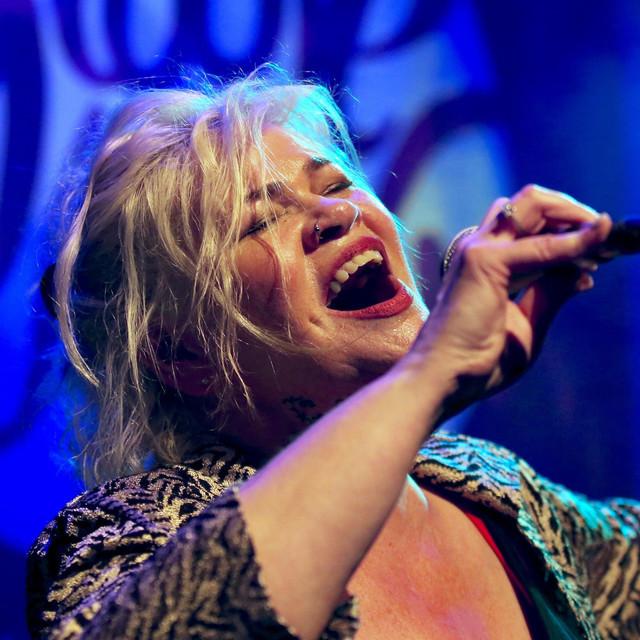
Dani Wilde

Blues
Contemporary Blues
Blues Rock
 Viberate Rank: 149824
 Viberate Rank: 149824
 Monthly ListenersFollowers
 Subscribers
 Followers
 Followers
 FansTop Spotify Songs
| Track | 7-Day Streams | |
|---|---|---|
1 | 8.51K | |
2 | 3.91K | |
3 | 3.80K | |
4 | 3.53K | |
5 | 3.46K |
Top YouTube VideosMonthly ListenersFeatured in Playlists| Playlist | Followers | |
|---|---|---|
1 |  Acoustic Blues Spotify | 873.88K |
2 |  Women of Blues Spotify | 273.70K |
3 | Os melhores blues Cristiano | 48.93K |
4 |  Blues Ballads/ Slow Blues Joar Fosså | 39.54K |
5 |  New Blues | Blues Rock | Americana 🎸 by Don's Tunes Don's Tunes | 28.47K |
Audience| City | Monthly Listeners | |
|---|---|---|
1 |  | 2.21K |
2 | | 714 |
3 |  | 590 |
4 | | 555 |
5 | | 550 |
See full performance history, audience data, playlist activity, rankings, comparisons, and more in Viberate music analytics. Start with a free trial, then continue with a paid plan.
Dani Wilde’s Spotify BioBritish blues and soul singer Dani Wilde grew up in Hullavington in Wiltshire, where her father’s record collection, full of Motown, Stax, and Chess sides, convinced her that she wanted to sing and perform, and by the age of 17 she was opening for the likes of Maddy Prior. When she turned 18, Wilde moved to Brighton to pursue a degree in music and took whatever singing spots she could find, quickly finding an audience, and by the end of 2006 she was opening for Jools Holland at the Royal Albert Hall. Blessed with a soulful voice, a unique guitar style, and a deep knowledge of the blues, Wilde caught the attention of blues label Ruf Records and signed with the imprint in 2007, releasing her debut album, Heal My Blues, a year later in 2008. Wilde toured the blues festival circuit behind the album, then returned to the studio with blues producer Mike Vernon to record her second album, Shine, which was released in the summer of 2011. She next teamed with Samantha Fish and Cassie Taylor for… the blues sampler album Girls with Guitars, which also appeared from Ruf Records in 2011. ~ Steve Leggett, Rovi
Viberate is a music analytics platform built for A&Rs, artist managers, labels, booking agents, marketers, and artists.
It helps music professionals track artist growth, analyze audience data, monitor playlist activity, compare artists, follow song performance, and identify opportunities across the music market.
Public artist pages provide a free preview of selected artist data. Paid plans provide access to deeper analytics, historical data, charts, comparisons, playlist tools, exports, alerts, reports, and additional professional features.
Yes. Public Viberate artist pages provide selected artist analytics and music data for free.
Viberate also offers a 7-day free trial of the full platform. A credit card is required to start the trial. The trial includes access to the complete product so users can test deeper artist analytics, historical views, playlist insights, comparisons, charts, exports, alerts, and reporting features before choosing a paid plan.
Viberate provides artist analytics across streaming, playlists, social media, video, radio airplay, songs, and audience markets.
Users can analyze Spotify performance, Spotify and Apple Music playlists, YouTube activity, TikTok and Instagram growth, radio spins, song performance, audience locations, demographics, rankings, and overall artist momentum.
Artist profiles also connect to music charts, similar artists, and comparison tools, helping users benchmark performance and evaluate artists in context.
Viberate updates key artist and track data daily.
For followed artists and tracks, selected data is refreshed multiple times per day. This helps teams monitor playlist changes, streaming movement, audience growth, releases, and campaign performance with more current data.
Update frequency can vary depending on the metric and data source.
Yes. Viberate lets users compare up to five artists side by side across streaming, social media, audience, and engagement metrics.
Users can compare fanbase growth, audience demographics, locations, Spotify performance, social metrics, and other artist data over selected time periods.
Artist comparison can be used for A&R scouting, benchmarking, booking decisions, campaign planning, and evaluating artists with similar audiences or market positions.