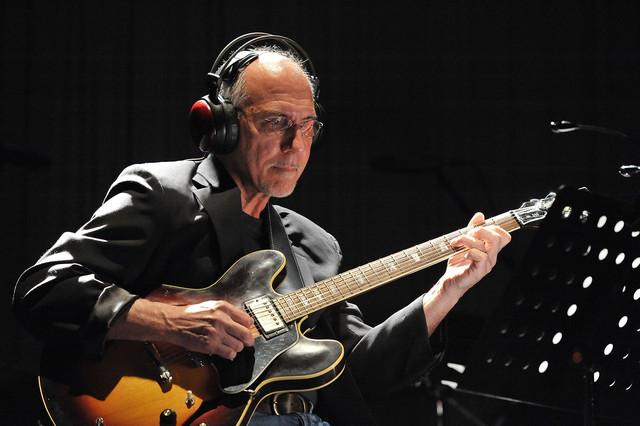
Larry Carlton

Jazz
Smooth Jazz
Jazz Fusion
 Viberate Rank: 41819
 Viberate Rank: 41819
 Monthly ListenersFollowers
 Subscribers
 Followers
 Followers
 FansTop Spotify Songs
| Track | 7-Day Streams | |
|---|---|---|
1 | 15.13K | |
2 | 15.09K | |
3 | 8.84K | |
4 | 8.61K | |
5 | 7.82K |
Top YouTube VideosMonthly ListenersFeatured in Playlists| Playlist | Followers | |
|---|---|---|
1 |  Yacht Rock Spotify | 1.85M |
2 |  Fusion Fest Spotify | 220.07K |
3 |  Smooth Jazz Classics Spotify | 194.34K |
4 |  Smooth Jazz - Instrumental Pekka Martikainen | 141.77K |
5 | BEST GUITAR SOLOS OF ALL TIME t.riccardo | 95.20K |
Audience| City | Monthly Listeners | |
|---|---|---|
1 |  | 2.19K |
2 | | 2.06K |
3 | | 1.81K |
4 |  | 1.80K |
5 | | 1.78K |
See full performance history, audience data, playlist activity, rankings, comparisons, and more in Viberate music analytics. Start with a free trial, then continue with a paid plan.
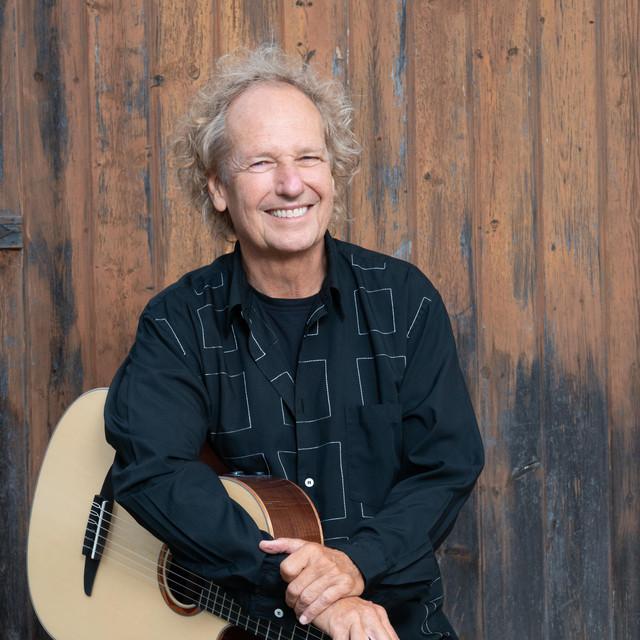
Larry Carlton’s Spotify BioA hugely successful guitarist and composer, Larry Carlton emerged from the Los Angeles studio scene of the late '60s, eventually becoming a popular contemporary jazz artist in his own right. Noted for his lithe technique, sweet-toned, blues-inflected sound, and distinctive use of volume pedals, Carlton first came to prominence as a member of crossover jazz and R&B outfit the Crusaders. From there, he developed into an in-demand session player, recording on up to 500 albums a year and appearing on over 100 gold albums. His studio credits from the '70s and early '80s include work with musicians and groups like Steely Dan, Joni Mitchell, Michael Jackson, Sammy Davis, Jr., Herb Alpert, Quincy Jones, Bobby Bland, Dolly Parton, Linda Ronstadt, and literally dozens of others. Although he recorded a number of LPs under his own name as early as 1968, he didn't land a major-label contract until 1978, when he signed with Warner Bros. and began a long stretch of releasing his own albums. Along the… way he also expanded into film and television work, and picked up his first of four Grammy Awards for his work on the Hill Street Blues theme. With over 30 of his own albums and a regular touring schedule, Carlton remains a well-respected, highly sought-after performer.
A native of Torrance, California, Carlton began taking guitar lessons when he was six. His first professional gig was at a supper club in 1962. After hearing Joe Pass on the radio, he was inspired to play jazz and blues. Wes Montgomery and Barney Kessel became important influences soon after he discovered the jazz guitar stylings of Pass. B.B. King and other blues guitarists had an impact on Carlton's style as well. He honed his guitar-playing skills in the clubs and studios of greater Los Angeles while he attended a local junior college and Long Beach State College for a year until the Vietnam War ended. Carlton toured with the Fifth Dimension in 1968 and began doing studio sessions in 1970. His early session work included studio dates with pop musicians like Vikki Carr, Andy Williams, and the Partridge Family.
In 1971, he was asked to join the Crusaders shortly after they'd decided to drop the word "Jazz" from their name, and he remained with the group until 1976. In between tours with the Crusaders, he also did studio session work for hundreds of recordings in every genre. But it was while he with the Crusaders that he developed his signature, highly rhythmic, often bluesy style. Carlton delivered his self-titled debut for Warner Bros. in 1978, shortly after he was recognized for his groundbreaking guitar playing on Steely Dan's Royal Scam album. (Carlton contributed the memorable guitar solo on "Kid Charlemagne.'')
He released four more albums for Warner Bros., Strikes Twice (1980), Sleepwalk (1981), Eight Times Up (1982), and the Grammy-nominated Friends (1983), before parting ways with the label. Also during this period, he branched out into writing for TV and films, composing music for Against All Odds, Who's the Boss, and the theme for Hill Street Blues. The latter won a Grammy Award in 1981 for Best Pop Instrumental Performance. He continued studio session work and toured in between, emerging again in 1986 on MCA Records with an all-acoustic album, Discovery, which contained an instrumental remake of Michael McDonald's hit "Minute by Minute." The single won a Grammy Award for Best Pop Instrumental Performance in 1987. Carlton's live album Last Nite, released in 1987, got him a Grammy nomination for Best Jazz Instrumental Performance.
While working on his next album for MCA, On Solid Ground, Carlton was the victim of random gun violence, and was shot in the throat by gun-wielding juveniles outside Room 335, his private studio near Burbank, California. The bullet shattered his vocal cords and caused significant nerve trauma, but through intensive therapy and a positive frame of mind, Carlton completed work on On Solid Ground in 1989. He formed Helping Innocent People (HIP), a nonprofit group to aid victims of random gun violence.
Despite the tragedy foisted on him in the late '80s after he was shot, with a long period of hospitalization and rehabilitation, Carlton continued his active recording and performing schedule over the next two decades, beginning with a number of albums during the '90s on the GRP label: 1992's Kid Gloves; 1993's Renegade Gentleman; 1995's Larry & Lee (with Lee Ritenour); and 1996's The Gift. Carlton also released the 1995 holiday collection Christmas at My House on MCA. And in 1997 he replaced Lee Ritenour in the popular contemporary jazz outfit Fourplay, first appearing on the group's 4 album in 1998.
The 2000s found Carlton as active as ever, recording live and in the studio as both leader and collaborator for a variety of labels. Two albums on Warner Bros. began the decade, Fingerprints -- including guest appearances by Michael McDonald, Vince Gill, Kirk Whalum, and Vinnie Colaiuta -- in 2000, and Deep Into It in 2001. A popular concert draw in Japan, Carlton could be heard as a collaborator on two live recordings from that island country during the decade, Live in Osaka (with Steve Lukather), issued in 2001 on the Favored Nations label, and Live in Tokyo (with Robben Ford) on 335 Records in 2007.
Meanwhile, his albums as a leader continued, with Sapphire Blue and Fire Wire released by Bluebird/RCA in 2004 and 2005, respectively, and The Jazz King -- with Carlton leading an all-star band performing music he composed on commission to celebrate the 80th birthday and ascension to the throne of Thailand’s King Bhumibol Adulyadej -- issued by Sony BMG in 2008. In 2009 Carlton appeared as guest guitarist on selected dates during Steely Dan's U.S. summer tour. Take Your Pick (with Tak Matsumoto) appeared in 2010.
In 2011, he paid homage to Philly soul pioneers Kenny Gamble and Leon Huff with Larry Carlton Plays the Sound of Philadelphia. Also that year, he played on vocalist Michele Pillar's holiday album I Hear Angels Calling. Four Hands & a Heart, Vol. 1 appeared in 2012, followed by the holiday-themed Four Hands & a Heart Christmas in 2014. Over the next several years, Carlton remained busy touring, and he recorded with Paul Brown, Fourplay, and the SWR Big Band. In 2018, he joined actor/comedian/musician Harry Shearer on the Derek Smalls album Smalls Change (Meditations Upon Ageing). ~ Richard Skelly, Rovi
Viberate is a music analytics platform built for A&Rs, artist managers, labels, booking agents, marketers, and artists.
It helps music professionals track artist growth, analyze audience data, monitor playlist activity, compare artists, follow song performance, and identify opportunities across the music market.
Public artist pages provide a free preview of selected artist data. Paid plans provide access to deeper analytics, historical data, charts, comparisons, playlist tools, exports, alerts, reports, and additional professional features.
Yes. Public Viberate artist pages provide selected artist analytics and music data for free.
Viberate also offers a 7-day free trial of the full platform. A credit card is required to start the trial. The trial includes access to the complete product so users can test deeper artist analytics, historical views, playlist insights, comparisons, charts, exports, alerts, and reporting features before choosing a paid plan.
Viberate provides artist analytics across streaming, playlists, social media, video, radio airplay, songs, and audience markets.
Users can analyze Spotify performance, Spotify and Apple Music playlists, YouTube activity, TikTok and Instagram growth, radio spins, song performance, audience locations, demographics, rankings, and overall artist momentum.
Artist profiles also connect to music charts, similar artists, and comparison tools, helping users benchmark performance and evaluate artists in context.
Viberate updates key artist and track data daily.
For followed artists and tracks, selected data is refreshed multiple times per day. This helps teams monitor playlist changes, streaming movement, audience growth, releases, and campaign performance with more current data.
Update frequency can vary depending on the metric and data source.
Yes. Viberate lets users compare up to five artists side by side across streaming, social media, audience, and engagement metrics.
Users can compare fanbase growth, audience demographics, locations, Spotify performance, social metrics, and other artist data over selected time periods.
Artist comparison can be used for A&R scouting, benchmarking, booking decisions, campaign planning, and evaluating artists with similar audiences or market positions.