Lard

Metal
Thrash Metal
Industrial rock
 Viberate Rank: 138455
 Viberate Rank: 138455
 Monthly ListenersFollowers
 Subscribers
 Followers
 Followers
 FansTop Spotify Songs
| Track | 7-Day Streams | |
|---|---|---|
1 | 3.19K | |
2 | 3.19K | |
3 | 1.53K | |
4 | 1.22K | |
5 | 1.17K |
Top YouTube VideosMonthly ListenersFeatured in Playlists| Playlist | Followers | |
|---|---|---|
1 |  Natural Born Killers Soundtrack Starfish & Coffee | 39.98K |
2 |  Triple J Hottest 100 1993-2018 deñt | 29.34K |
3 |  Gothic Club Hits: Goth, Darkwave, Deathrock, EBM & Industrial netti | 29.18K |
4 | Industrial music for industrial people⚙️ Michael Alexander | 21.36K |
5 |  triple j's Hottest 100 1997 triple j | 16.66K |
Audience| City | Monthly Listeners | |
|---|---|---|
1 |  | 461 |
2 | | 445 |
3 | | 376 |
4 | | 248 |
5 | | 231 |
See full performance history, audience data, playlist activity, rankings, comparisons, and more in Viberate music analytics. Start with a free trial, then continue with a paid plan.
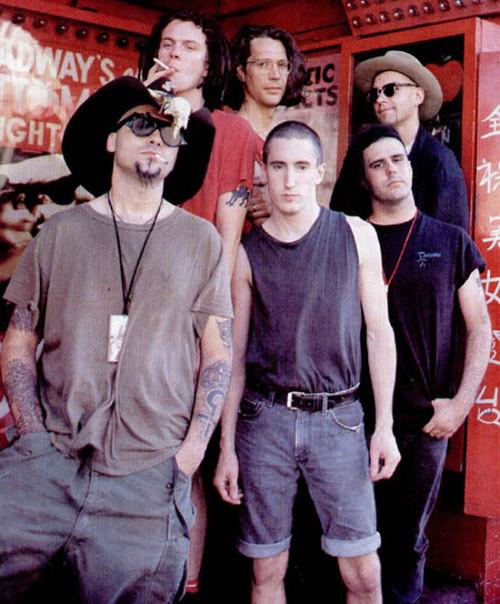
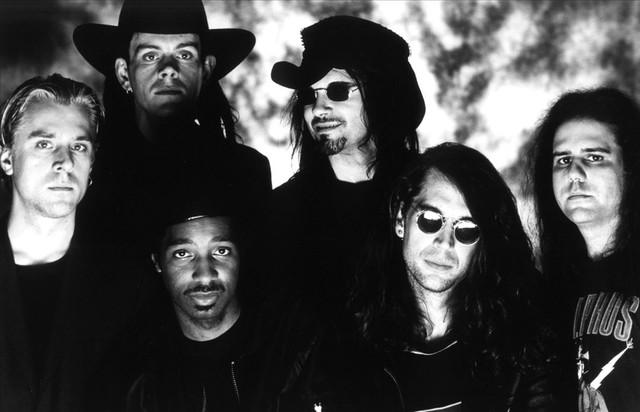
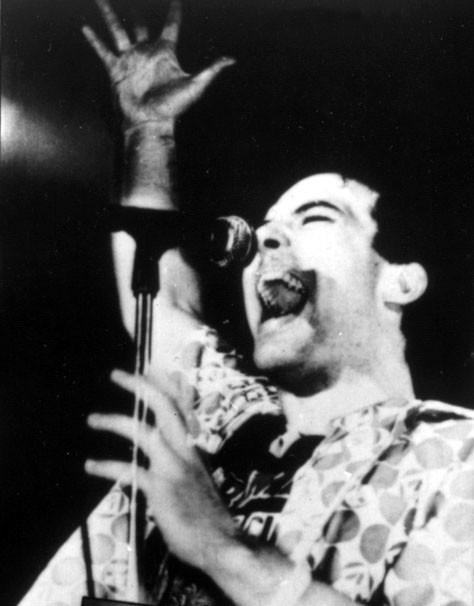
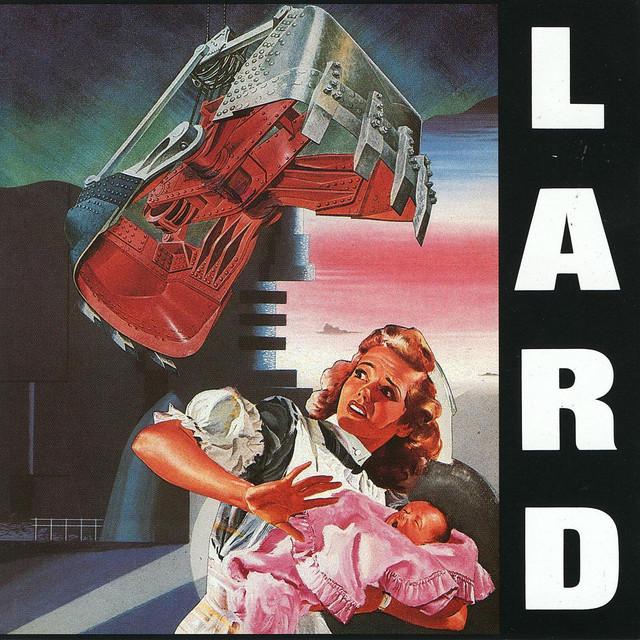
Lard’s Spotify BioLard is one of several sometime-side projects helmed by the Ministry duo of Al Jourgensen (guitar) and Paul Barker (bass) -- in this case, notably fronted by legendary Dead Kennedys singer Jello Biafra, along with, initially, drummer Jeff Ward. Founded in 1988, Lard was first brought to the public's attention via the following year's The Power of Lard EP, and even more so by 1990's inaugural full-length The Last Temptation of Reid. Both featured a unique blend of industrial and punk, matched with Biafra's typically political lyrics; but the band's already sporadic touring and recording schedule (this was, after all, a side project) was curtailed even further after the shocking suicide of drummer Ward in 1993. Lard wasn't heard from again until 1997's critically acclaimed Pure Chewing Satisfaction LP, and then again in 2000, via the '70s Rock Must Die EP -- both recorded with Ministry mainstay Bill Rieflin on drums. Jourgensen has since stated that Lard still has one final album in… them, but just when this will be recorded, and whether Barker will be involved following his 2004 exit from Ministry, remains to be seen. ~ Eduardo Rivadavia, Rovi
Viberate is a music analytics platform built for A&Rs, artist managers, labels, booking agents, marketers, and artists.
It helps music professionals track artist growth, analyze audience data, monitor playlist activity, compare artists, follow song performance, and identify opportunities across the music market.
Public artist pages provide a free preview of selected artist data. Paid plans provide access to deeper analytics, historical data, charts, comparisons, playlist tools, exports, alerts, reports, and additional professional features.
Yes. Public Viberate artist pages provide selected artist analytics and music data for free.
Viberate also offers a 7-day free trial of the full platform. A credit card is required to start the trial. The trial includes access to the complete product so users can test deeper artist analytics, historical views, playlist insights, comparisons, charts, exports, alerts, and reporting features before choosing a paid plan.
Viberate provides artist analytics across streaming, playlists, social media, video, radio airplay, songs, and audience markets.
Users can analyze Spotify performance, Spotify and Apple Music playlists, YouTube activity, TikTok and Instagram growth, radio spins, song performance, audience locations, demographics, rankings, and overall artist momentum.
Artist profiles also connect to music charts, similar artists, and comparison tools, helping users benchmark performance and evaluate artists in context.
Viberate updates key artist and track data daily.
For followed artists and tracks, selected data is refreshed multiple times per day. This helps teams monitor playlist changes, streaming movement, audience growth, releases, and campaign performance with more current data.
Update frequency can vary depending on the metric and data source.
Yes. Viberate lets users compare up to five artists side by side across streaming, social media, audience, and engagement metrics.
Users can compare fanbase growth, audience demographics, locations, Spotify performance, social metrics, and other artist data over selected time periods.
Artist comparison can be used for A&R scouting, benchmarking, booking decisions, campaign planning, and evaluating artists with similar audiences or market positions.