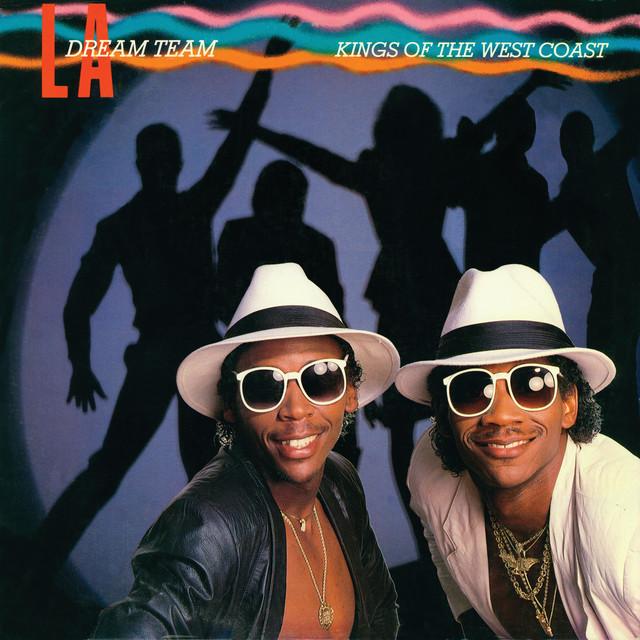
L.A. Dream Team

R&B
Funk
Alternative Hip Hop
 Viberate Rank: 184614
 Viberate Rank: 184614
 Monthly ListenersFollowers
 Subscribers
 Followers
 Followers
 FansTop Spotify Songs
| Track | 7-Day Streams | |
|---|---|---|
1 | 6.46K | |
2 | 282 | |
3 | 207 | |
4 | 159 | |
5 | 53 |
Top YouTube VideosMonthly ListenersFeatured in Playlists| Playlist | Followers | |
|---|---|---|
1 |  Old School Lowrider Funk Rick Plant | 64.17K |
2 | Freestyle 80's 12157724166 | 55.06K |
3 |  ANTENA 1 ⭐️ Sucessos e Clássicos Internacionais Flashback Carlos Eduardo 🇧🇷 | 46.13K |
4 |  Old School Breakdance Hip Hop 80's Chris Eir | 45.01K |
5 | Old school Funk🔥 Cesar Garcia | 32.74K |
Audience| City | Monthly Listeners | |
|---|---|---|
1 | | 2.59K |
2 | | 831 |
3 | | 828 |
4 | | 785 |
5 | | 781 |
See full performance history, audience data, playlist activity, rankings, comparisons, and more in Viberate music analytics. Start with a free trial, then continue with a paid plan.
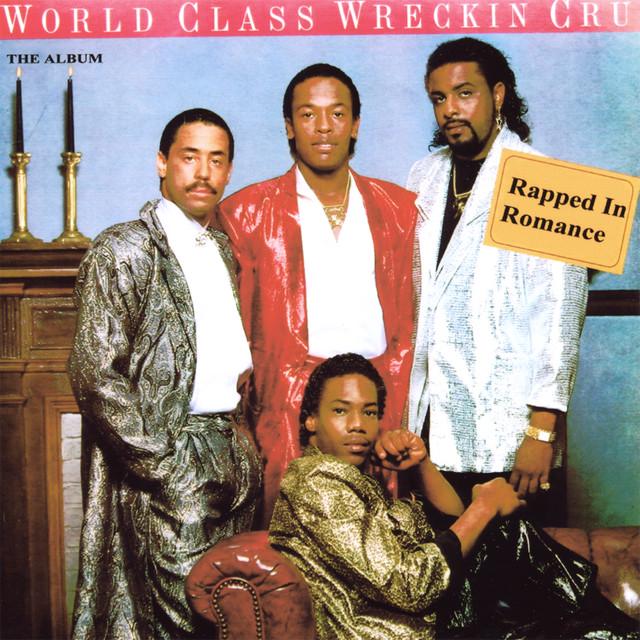
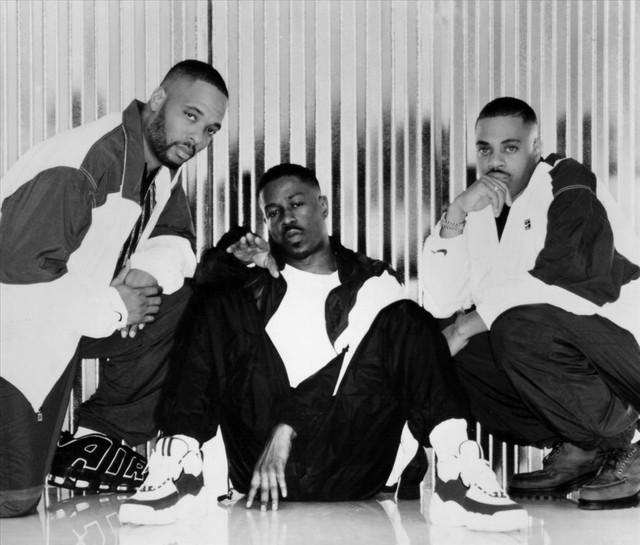
L.A. Dream Team’s Spotify BioRudy Pardee, a Cleveland native, and Los Angeles' Chris Wilson formed the L.A. Dream Team in the early '80s. The times were rife with experimentation and the dance-rap hybrid of electro was still a new form -- not yet firmly aligned with dance, with dance itself still capable of embracing hip-hop. Enterprising and resourceful, the duo formed their own label, Dream Team Records, that would go on to issue not only Dream Team records, but other early California rap as well, including the first single from J.J. Fad. The group's electro classics include "The Dream Team Is in the House" and "Rockberry Jam." In 1986, the group signed with MCA and recorded two albums with the label. Electro was fading from its brief mainstream popularity, however, and neither of the records sold well enough to sustain the group. L.A. Dream Team surfaced in 1993 as DTP to issue a few singles, including an update of one of their old hits, "Rockberry Revisited." Chris Wilson went on to pursue video and music… production, while Rudy Pardee died tragically in a scuba-diving accident in 1998. ~ Wade Kergan, Rovi
Viberate is a music analytics platform built for A&Rs, artist managers, labels, booking agents, marketers, and artists.
It helps music professionals track artist growth, analyze audience data, monitor playlist activity, compare artists, follow song performance, and identify opportunities across the music market.
Public artist pages provide a free preview of selected artist data. Paid plans provide access to deeper analytics, historical data, charts, comparisons, playlist tools, exports, alerts, reports, and additional professional features.
Yes. Public Viberate artist pages provide selected artist analytics and music data for free.
Viberate also offers a 7-day free trial of the full platform. A credit card is required to start the trial. The trial includes access to the complete product so users can test deeper artist analytics, historical views, playlist insights, comparisons, charts, exports, alerts, and reporting features before choosing a paid plan.
Viberate provides artist analytics across streaming, playlists, social media, video, radio airplay, songs, and audience markets.
Users can analyze Spotify performance, Spotify and Apple Music playlists, YouTube activity, TikTok and Instagram growth, radio spins, song performance, audience locations, demographics, rankings, and overall artist momentum.
Artist profiles also connect to music charts, similar artists, and comparison tools, helping users benchmark performance and evaluate artists in context.
Viberate updates key artist and track data daily.
For followed artists and tracks, selected data is refreshed multiple times per day. This helps teams monitor playlist changes, streaming movement, audience growth, releases, and campaign performance with more current data.
Update frequency can vary depending on the metric and data source.
Yes. Viberate lets users compare up to five artists side by side across streaming, social media, audience, and engagement metrics.
Users can compare fanbase growth, audience demographics, locations, Spotify performance, social metrics, and other artist data over selected time periods.
Artist comparison can be used for A&R scouting, benchmarking, booking decisions, campaign planning, and evaluating artists with similar audiences or market positions.