Utfo

Hip Hop
Contemporary Hip Hop
Alternative Hip Hop
Trap
 Viberate Rank: 128058
 Viberate Rank: 128058
 Monthly ListenersFollowers
 Subscribers
 Followers
 Followers
 FansTop Spotify Songs
| Track | 7-Day Streams | |
|---|---|---|
1 | 5.90K | |
2 | 1.02K | |
3 | 886 | |
4 | 843 | |
5 | 710 |
Top YouTube Videos| Video | 7-Day Views | |
|---|---|---|
1 | 3 |
Monthly ListenersFeatured in Playlists| Playlist | Followers | |
|---|---|---|
1 |  OLD SCHOOL RAP 80s 🔱 THEOCIDE STUDIOS 🔱 | 26.32K |
2 | 80's HIP HOP djbsol | 20.50K |
3 | Perks | 19.89K |
4 | 80s HipHop/Rap Erik Shun | 18.48K |
5 | Marci Nicole | 17.82K |
Audience| City | Monthly Listeners | |
|---|---|---|
1 | | 540 |
2 | | 510 |
3 | | 455 |
4 | | 388 |
5 | | 382 |
See full performance history, audience data, playlist activity, rankings, comparisons, and more in Viberate music analytics. Start with a free trial, then continue with a paid plan.
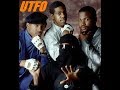
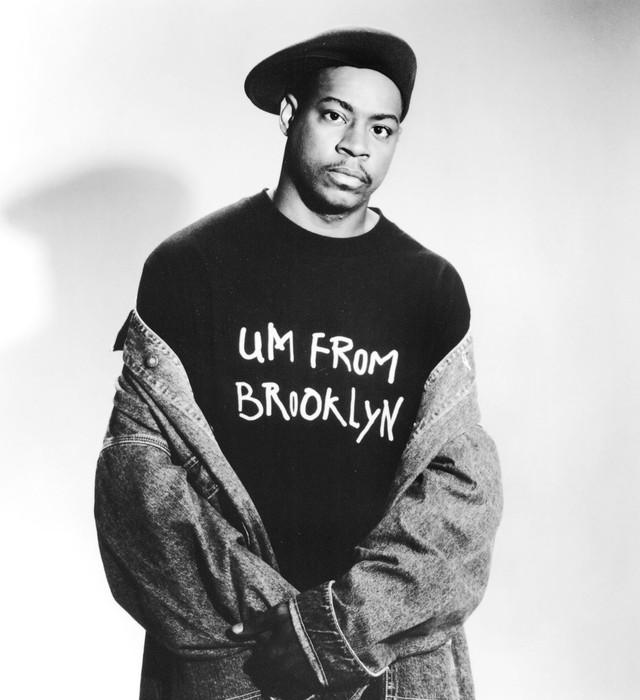
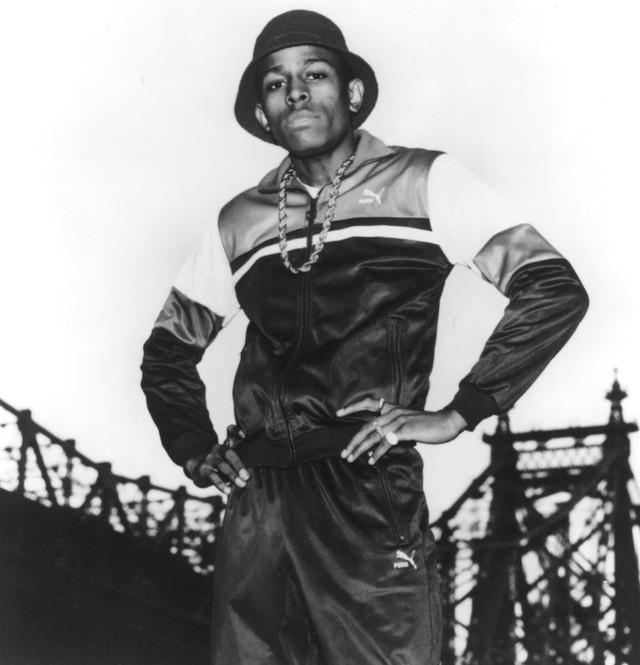
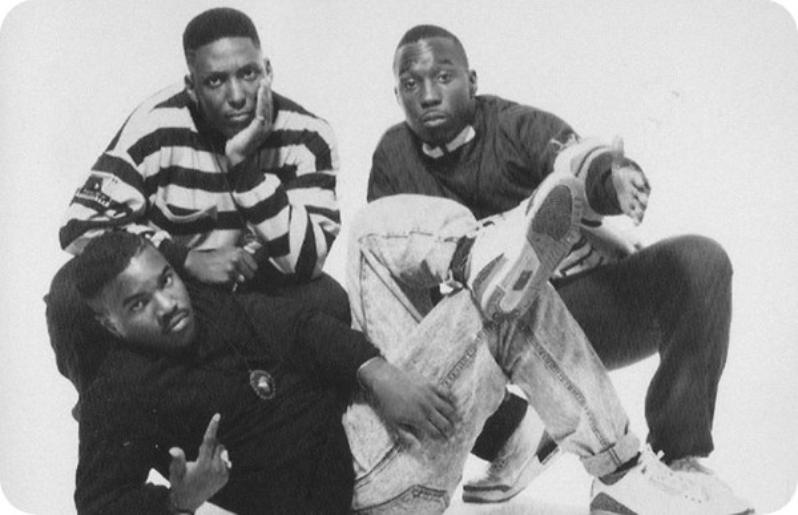
Utfo’s Spotify BioU.T.F.O. was a Brooklyn-based rap group, comprised of the Kangol Kid, Doctor Ice, the Educated Rapper, and Mix Master Ice. The quartet first met as dancers for Whodini, before forming U.T.F.O. (which stood for "Untouchable Force Organization") in 1983. Early on, the group referred to themselves as "the Village People of Rap," due to the fact that each member possessed a specific image (Doctor Ice was the "Hip-Hop Physician," Educated Rapper was a college student who wore a suit and tie, Mix Master Ice assumed the persona of a ninja since he would "cut things up" on the turntables, and Kangol Kid got his name due to his affinity for always wearing Kangol-brand hats). Signing to the Select label in 1984, U.T.F.O. scored a massive hit single right of the bat with "Roxanne, Roxanne," which struck such a chord with the burgeoning rap scene that it spawned countless "response" songs by other artists, including "Roxanne's Revenge," "The Real Roxanne," "Roxanne You're Through," "Roxanne's… Mother," "Roxanne's Brother," "Roxanne's Doctor," and perhaps strangest of all, "Roxanne's a Man" (in addition, several female rappers adopted the "Roxanne" name themselves, including Roxanne Shanté and The Real Roxanne).
The year 1985 saw U.T.F.O. issue a self-titled full-length debut, which included their own "Roxanne, Roxanne" follow-up, "Calling Her a Crab (Roxanne Part 2)," which failed to match its predecessor's success; as the group toured alongside such fellow influential rap acts as Run-D.M.C., Kurtis Blow, the Fat Boys, and Newcleus, on a 30-city venue tour called the New York City Fresh Fest. For U.T.F.O.'s sophomore effort, 1986's Skeezer Pleezer, the Educated Rapper took a brief leave of absence, before returning for Lethal a year later; an album that was criticized by the group's original following due to its stylistic shift to more racy material (although the anti-drug title track featured a musical contribution from heavy metallists Anthrax, which predated Anthrax's more renowned collaboration with Public Enemy by several years). But after two more releases, 1989's Doin' It! and 1990's Bag It & Bone It, U.T.F.O. decided to call it a day. In the wake of their split, Doctor Ice issued several solo releases (including such titles as Mic Stalker and Rely on Self); while a 20-track hits collection surfaced in 1996, The Best of U.T.F.O., and a two-for-one CD release of Skeezer Pleezer/Lethal was issued in 2000. ~ Greg Prato, Rovi
Viberate is a music analytics platform built for A&Rs, artist managers, labels, booking agents, marketers, and artists.
It helps music professionals track artist growth, analyze audience data, monitor playlist activity, compare artists, follow song performance, and identify opportunities across the music market.
Public artist pages provide a free preview of selected artist data. Paid plans provide access to deeper analytics, historical data, charts, comparisons, playlist tools, exports, alerts, reports, and additional professional features.
Yes. Public Viberate artist pages provide selected artist analytics and music data for free.
Viberate also offers a 7-day free trial of the full platform. A credit card is required to start the trial. The trial includes access to the complete product so users can test deeper artist analytics, historical views, playlist insights, comparisons, charts, exports, alerts, and reporting features before choosing a paid plan.
Viberate provides artist analytics across streaming, playlists, social media, video, radio airplay, songs, and audience markets.
Users can analyze Spotify performance, Spotify and Apple Music playlists, YouTube activity, TikTok and Instagram growth, radio spins, song performance, audience locations, demographics, rankings, and overall artist momentum.
Artist profiles also connect to music charts, similar artists, and comparison tools, helping users benchmark performance and evaluate artists in context.
Viberate updates key artist and track data daily.
For followed artists and tracks, selected data is refreshed multiple times per day. This helps teams monitor playlist changes, streaming movement, audience growth, releases, and campaign performance with more current data.
Update frequency can vary depending on the metric and data source.
Yes. Viberate lets users compare up to five artists side by side across streaming, social media, audience, and engagement metrics.
Users can compare fanbase growth, audience demographics, locations, Spotify performance, social metrics, and other artist data over selected time periods.
Artist comparison can be used for A&R scouting, benchmarking, booking decisions, campaign planning, and evaluating artists with similar audiences or market positions.