King Pleasure

Jazz
Big band Jazz
Vocal jazz
 Viberate Rank: 226146
 Viberate Rank: 226146
 Monthly ListenersFollowers
 Subscribers
 Followers
 Followers
 FansTop Spotify Songs
| Track | 7-Day Streams | |
|---|---|---|
1 | 2.37K | |
2 | 2.27K | |
3 | 1.25K | |
4 | 548 | |
5 | 444 |
Top YouTube VideosMonthly ListenersFeatured in Playlists| Playlist | Followers | |
|---|---|---|
1 |  Sunny Day Jazz Spotify | 134.10K |
2 | SUNDAY Morning Jazz Suzanne Moshenko | 25.20K |
3 |  Starbucks Jazz Vocals Starbucks | 16.41K |
4 |  Tulsa King | Official Playlist PARAMOUNT+ | 14.87K |
5 |  Tulsa King Soundtrack - Season 4 Only Raw Records | 10.71K |
Audience| City | Monthly Listeners | |
|---|---|---|
1 | | 257 |
2 |  | 211 |
3 | | 206 |
4 | | 197 |
5 |  | 135 |
See full performance history, audience data, playlist activity, rankings, comparisons, and more in Viberate music analytics. Start with a free trial, then continue with a paid plan.
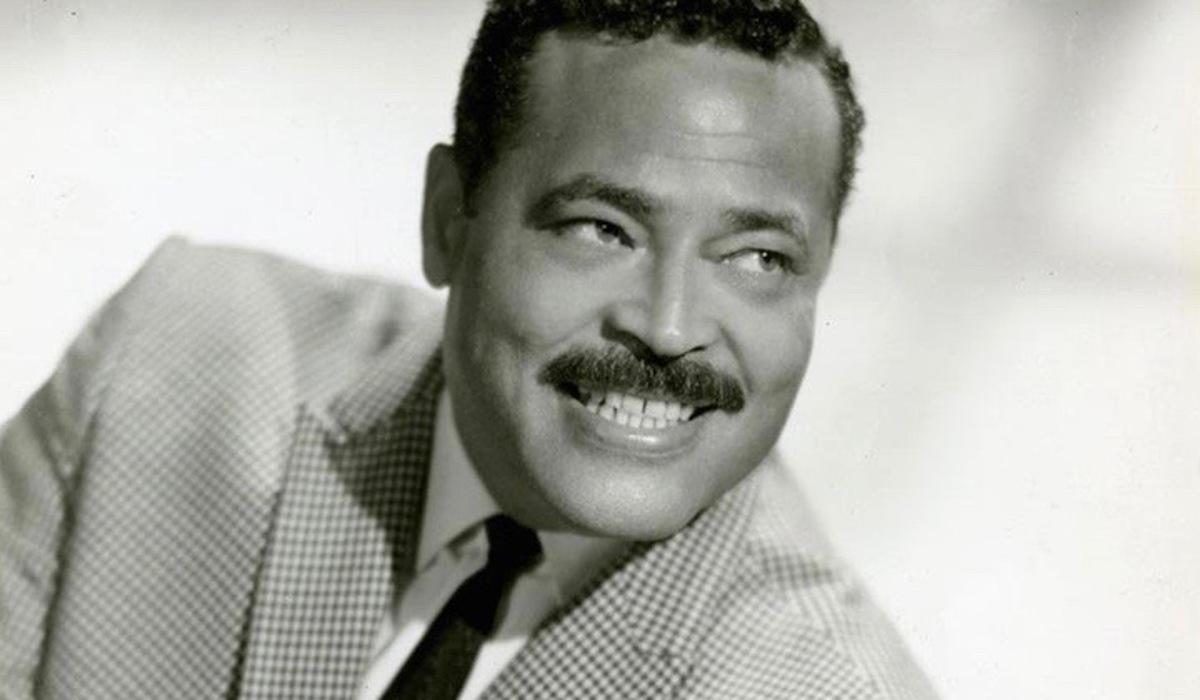
King Pleasure’s Spotify BioAlong with Eddie Jefferson, King Pleasure was one of the early masters of vocalese -- a style in which lyrics are written and sung to the solos of jazz instrumentalists. Although Pleasure cited Jefferson as his main influence and said that Jefferson was embracing vocalese before him, Pleasure's sax-like phrasing and scat singing proved equally influential. The charismatic improviser (who recorded for Prestige, Aladdin, Jubilee, HiFi Jazz, and United Artists) is best known for his 1952 hit "Moody's Mood for Love," for which Jefferson wrote lyrics to tenor saxman James Moody's 1949 improvisation on the standard "I'm in the Mood for Love." Pleasure was also praised for his interpretations of classics like Lester Young's "DB Blues," Charlie Parker's "Parker's Mood," and Gene Ammons' "Red Top" in the 1950s, and he had a direct or indirect influence on Jon Hendricks, Annie Ross, Bob Dorough, Mark Murphy, Al Jarreau, Lou Lanza, and even the Manhattan Transfer. But his recording career didn't… last very long. Pleasure was still recording in the early '60s, but after that, he faded into great obscurity -- although the impact of his early work would remain long after his death on March 21, 1982 (only three days before what would have been his 60th birthday). In the late '90s, one could hear Pleasure's influence on such promising vocalists as Ian Shaw and Lou Lanza. ~ Alex Henderson, Rovi
Viberate is a music analytics platform built for A&Rs, artist managers, labels, booking agents, marketers, and artists.
It helps music professionals track artist growth, analyze audience data, monitor playlist activity, compare artists, follow song performance, and identify opportunities across the music market.
Public artist pages provide a free preview of selected artist data. Paid plans provide access to deeper analytics, historical data, charts, comparisons, playlist tools, exports, alerts, reports, and additional professional features.
Yes. Public Viberate artist pages provide selected artist analytics and music data for free.
Viberate also offers a 7-day free trial of the full platform. A credit card is required to start the trial. The trial includes access to the complete product so users can test deeper artist analytics, historical views, playlist insights, comparisons, charts, exports, alerts, and reporting features before choosing a paid plan.
Viberate provides artist analytics across streaming, playlists, social media, video, radio airplay, songs, and audience markets.
Users can analyze Spotify performance, Spotify and Apple Music playlists, YouTube activity, TikTok and Instagram growth, radio spins, song performance, audience locations, demographics, rankings, and overall artist momentum.
Artist profiles also connect to music charts, similar artists, and comparison tools, helping users benchmark performance and evaluate artists in context.
Viberate updates key artist and track data daily.
For followed artists and tracks, selected data is refreshed multiple times per day. This helps teams monitor playlist changes, streaming movement, audience growth, releases, and campaign performance with more current data.
Update frequency can vary depending on the metric and data source.
Yes. Viberate lets users compare up to five artists side by side across streaming, social media, audience, and engagement metrics.
Users can compare fanbase growth, audience demographics, locations, Spotify performance, social metrics, and other artist data over selected time periods.
Artist comparison can be used for A&R scouting, benchmarking, booking decisions, campaign planning, and evaluating artists with similar audiences or market positions.