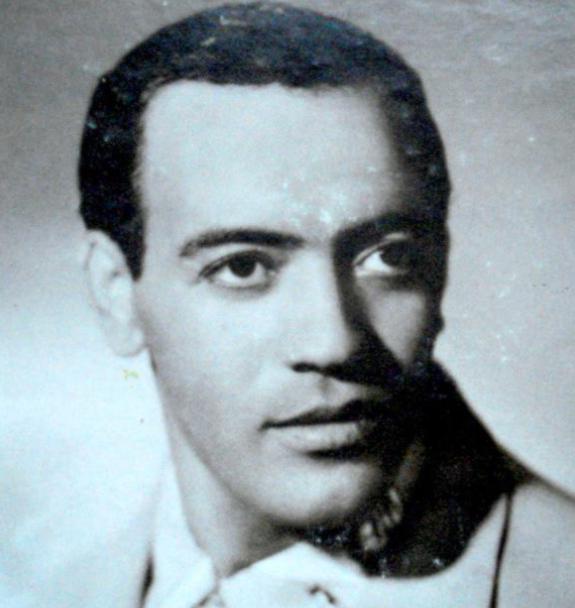
James Moody

Jazz
Bebop
 Viberate Rank: 141120
 Viberate Rank: 141120
 Monthly ListenersFollowers
 Subscribers
 Followers
 Followers
 FansTop Spotify Songs
| Track | 7-Day Streams | |
|---|---|---|
1 | 11.57K | |
2 | 1.88K | |
3 | 1.75K | |
4 | 1.75K | |
5 | 1.47K |
Top YouTube VideosMonthly ListenersFeatured in Playlists| Playlist | Followers | |
|---|---|---|
1 |  Wine & Dine Spotify | 274.21K |
2 |  Outer Banks Official Playlist Spotify | 250.06K |
3 |  This Is Brian McKnight Spotify | 87.54K |
4 |  90s RnB and Soul Siline (Si-leen-eh) 🇼🇸🇳🇿 | 45.56K |
5 |  This Is Quincy Jones Spotify | 34.92K |
Audience| City | Monthly Listeners | |
|---|---|---|
1 | | 817 |
2 | | 771 |
3 |  | 764 |
4 | | 696 |
5 | | 570 |
See full performance history, audience data, playlist activity, rankings, comparisons, and more in Viberate music analytics. Start with a free trial, then continue with a paid plan.
James Moody’s Spotify BioJames Moody was an institution in jazz from the late '40s into the 21st century, whether on tenor, flute, occasional alto, or yodeling his way through his "Moody's Mood for Love." After serving in the Air Force (1943-1946), he joined Dizzy Gillespie's bebop orchestra and began a lifelong friendship with the trumpeter. Moody toured Europe with Gillespie and then stayed overseas for several years, working with Miles Davis, Max Roach, and top European players. His 1949 recording of "I'm in the Mood for Love" became a hit in 1952 under the title of "Moody's Mood for Love" with classic vocalese lyrics written by Eddie Jefferson and a best-selling recording by King Pleasure. After returning to the U.S., Moody formed a septet that lasted for five years, recorded extensively for Prestige and Argo, took up the flute, and then from 1963-1968, was a member of Dizzy Gillespie's quintet. He worked in Las Vegas show bands during much of the 1970s before returning to jazz, playing occasionally with G…illespie, mostly working as a leader and recording with Lionel Hampton's Golden Men of Jazz. Moody, who alternated between tenor (which he preferred) and alto throughout his career, had an original sound on both horns. He was also one of the best flutists in jazz. Moody recorded as a leader for numerous labels, including Blue Note, Xanadu, Vogue, Prestige, EmArcy, Mercury, Argo, DJM, Milestone, Perception, MPS, Muse, Vanguard, and Novus. He died of complications from pancreatic cancer on December 9, 2010 in San Diego, CA. James Moody was 85 years old. ~ Scott Yanow, Rovi
Viberate is a music analytics platform built for A&Rs, artist managers, labels, booking agents, marketers, and artists.
It helps music professionals track artist growth, analyze audience data, monitor playlist activity, compare artists, follow song performance, and identify opportunities across the music market.
Public artist pages provide a free preview of selected artist data. Paid plans provide access to deeper analytics, historical data, charts, comparisons, playlist tools, exports, alerts, reports, and additional professional features.
Yes. Public Viberate artist pages provide selected artist analytics and music data for free.
Viberate also offers a 7-day free trial of the full platform. A credit card is required to start the trial. The trial includes access to the complete product so users can test deeper artist analytics, historical views, playlist insights, comparisons, charts, exports, alerts, and reporting features before choosing a paid plan.
Viberate provides artist analytics across streaming, playlists, social media, video, radio airplay, songs, and audience markets.
Users can analyze Spotify performance, Spotify and Apple Music playlists, YouTube activity, TikTok and Instagram growth, radio spins, song performance, audience locations, demographics, rankings, and overall artist momentum.
Artist profiles also connect to music charts, similar artists, and comparison tools, helping users benchmark performance and evaluate artists in context.
Viberate updates key artist and track data daily.
For followed artists and tracks, selected data is refreshed multiple times per day. This helps teams monitor playlist changes, streaming movement, audience growth, releases, and campaign performance with more current data.
Update frequency can vary depending on the metric and data source.
Yes. Viberate lets users compare up to five artists side by side across streaming, social media, audience, and engagement metrics.
Users can compare fanbase growth, audience demographics, locations, Spotify performance, social metrics, and other artist data over selected time periods.
Artist comparison can be used for A&R scouting, benchmarking, booking decisions, campaign planning, and evaluating artists with similar audiences or market positions.