Mark Murphy

Jazz
Big band Jazz
Vocal jazz
 Viberate Rank: 155571
 Viberate Rank: 155571
 Monthly ListenersFollowers
 Subscribers
 Followers
 Followers
 FansTop Spotify Songs
| Track | 7-Day Streams | |
|---|---|---|
1 | 2.05K | |
2 | 1.98K | |
3 | 1.98K | |
4 | 1.72K | |
5 | 1.59K |
Top YouTube VideosMonthly ListenersFeatured in Playlists| Playlist | Followers | |
|---|---|---|
1 |  In the Mood for Jazz Spotify | 144.39K |
2 |  1930's-1950's Swing & Jazz michaeldil | 126.87K |
3 |  Best of the Best of Jazz 118614068 | 61.29K |
4 | Jazz · Blues · Soul · Funk · Swing Carles Sirvent | 59.34K |
5 |  Kendimi Seviyorum Eti | 24.95K |
Audience| City | Monthly Listeners | |
|---|---|---|
1 |  | 439 |
2 | | 275 |
3 |  | 263 |
4 |  | 243 |
5 |  | 229 |
See full performance history, audience data, playlist activity, rankings, comparisons, and more in Viberate music analytics. Start with a free trial, then continue with a paid plan.
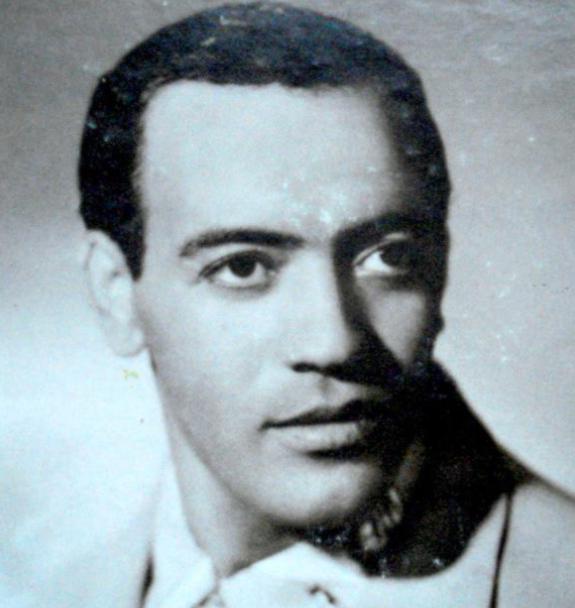
Mark Murphy’s Spotify BioMark Murphy often seemed to be the only true jazz singer of his generation. A young, hip post-bop vocalist, Murphy spent most of his career sticking to the standards -- and often presented radically reworked versions of those standards while many submitted to the lure of the lounge singer -- during the artistically fallow period of the 1970s and '80s. Marketed as a teen idol by Capitol during the mid-'50s, Murphy deserted the stolid world of commercial pop for a series of exciting dates on independent labels that featured the singer investigating his wide interests: Jack Kerouac, Brazilian music, songbook recordings, vocalese, and hard bop, among others.
He grew up near Syracuse, New York, born into an intensely musical family (both parents sang). Mark began playing piano as a child, and studied both voice and theater while at college. He toured through Canada with a jazz trio for a time and spent a while back home before he moved to New York in early 1954. A few television appearances… gained him a contract with Decca Records, and he debuted with 1956's Meet Mark Murphy. He released one more LP for Decca before signing to Capitol in 1959. Though label executives often forced material (and an excessively clean-cut image) on the young singer, he managed to distinguish himself with good sets of standards, musical accompaniment furnished by West Coast jazz regulars, and a distinctive vocal style that often twisted lines and indulged in brief scatting to display his jazz credentials.
He eventually released four LPs for Capitol, but never reached popular audiences the way the label intended. In 1961, Murphy recorded his first album for Riverside, a set of standards and bop vocals named Rah! that gave a first glimpse at his ambition. Though the twentysomething Murphy seemed a little young for a saloon-song chestnut like "Angel Eyes," he performed quite well on side two, styled after a Lambert, Hendricks & Ross LP with vocal covers of bop standards including "Milestones" and Annie Ross' "Twisted." It and its follow-up, the themed LP That's How I Love the Blues, included a top-notch backing group including jazz heroes such as Clark Terry, Snooky Young, Al Cohn, Bill Evans, and Blue Mitchell. The records also displayed Murphy's penchant for trawling the entirety of the 20th century popular/jazz repertory for songs ranging from the slightly overdone to the downright forgotten.
By the mid-'60s, Murphy had begun to recognize his sizable European fan base. Along with scores of American expatriates, he spent many years in Europe and didn't even issue his LPs in America during the rest of the '60s. Instead, he recorded LPs for British labels including Fontana and Immediate (the latter run by Rolling Stones manager Andrew Loog Oldham). Murphy also collaborated with the Clarke-Boland Big Band for 1967's Midnight Mood. His frequent nightclub performances and intimate stage presence also earned rave reviews from jazz and vocal critics. By the time of his return to America in the early '70s, Murphy had become a major name in vocal jazz.
With a contract from Muse in hand, Murphy began recording what would become close to two dozen albums for the label, ranging from earthy '70s dates with the Brecker brothers to Jack Kerouac tributes complete with spoken word readings to a two-volume Nat King Cole Songbook series. During that period, Murphy was one of the only straight jazz vocalists (other than old-guard names like Sinatra and Tormé) to actually make a living out of his craft. He toured relentlessly as well, and remained as hip a name to drop in 1999 as he was in 1959. After the '90s, Murphy released a handful of albums including Some Time Ago in 2000, Memories of You in 2003, and Love Is What Stays in 2007. He died in October 2015 at the age of 83. ~ John Bush, Rovi
Viberate is a music analytics platform built for A&Rs, artist managers, labels, booking agents, marketers, and artists.
It helps music professionals track artist growth, analyze audience data, monitor playlist activity, compare artists, follow song performance, and identify opportunities across the music market.
Public artist pages provide a free preview of selected artist data. Paid plans provide access to deeper analytics, historical data, charts, comparisons, playlist tools, exports, alerts, reports, and additional professional features.
Yes. Public Viberate artist pages provide selected artist analytics and music data for free.
Viberate also offers a 7-day free trial of the full platform. A credit card is required to start the trial. The trial includes access to the complete product so users can test deeper artist analytics, historical views, playlist insights, comparisons, charts, exports, alerts, and reporting features before choosing a paid plan.
Viberate provides artist analytics across streaming, playlists, social media, video, radio airplay, songs, and audience markets.
Users can analyze Spotify performance, Spotify and Apple Music playlists, YouTube activity, TikTok and Instagram growth, radio spins, song performance, audience locations, demographics, rankings, and overall artist momentum.
Artist profiles also connect to music charts, similar artists, and comparison tools, helping users benchmark performance and evaluate artists in context.
Viberate updates key artist and track data daily.
For followed artists and tracks, selected data is refreshed multiple times per day. This helps teams monitor playlist changes, streaming movement, audience growth, releases, and campaign performance with more current data.
Update frequency can vary depending on the metric and data source.
Yes. Viberate lets users compare up to five artists side by side across streaming, social media, audience, and engagement metrics.
Users can compare fanbase growth, audience demographics, locations, Spotify performance, social metrics, and other artist data over selected time periods.
Artist comparison can be used for A&R scouting, benchmarking, booking decisions, campaign planning, and evaluating artists with similar audiences or market positions.