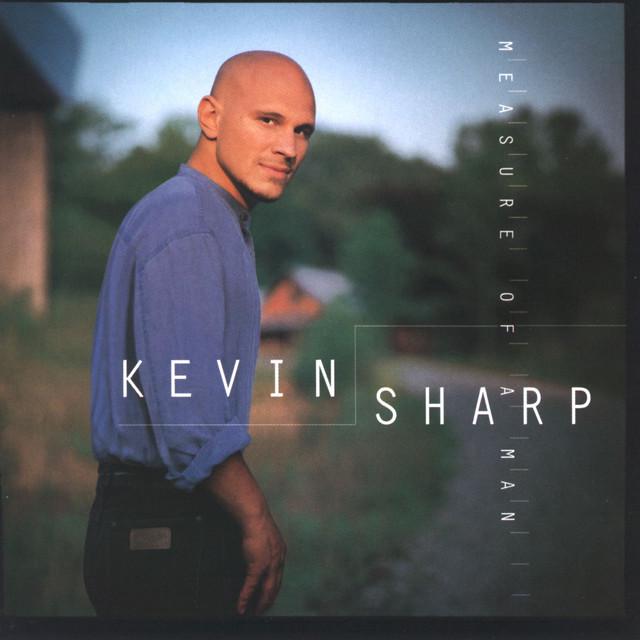
Kevin Sharp

Country
Contemporary Country
 Viberate Rank: 86503
 Viberate Rank: 86503
 Monthly ListenersFollowers
 Subscribers
 Followers
 Followers
 FansTop Spotify Songs
| Track | 7-Day Streams | |
|---|---|---|
1 | 103.31K | |
2 | 15.35K | |
3 | 3.74K | |
4 | 2.98K | |
5 | 2.45K |
Top YouTube VideosMonthly ListenersFeatured in Playlists| Playlist | Followers | |
|---|---|---|
1 |  90's Country Hits Cameron Paul | 77.31K |
2 | 80s/90s Country Hits Countrymusic_07 | 73.49K |
3 | Soul/RnB Sunday best ❤️😍 Neilwe | 47.39K |
4 | Greatest Love Songs of All Time gregory9102 | 33.63K |
5 | 90’s Country Hits Jeff Bradley | 17.05K |
Audience| City | Monthly Listeners | |
|---|---|---|
1 | | 5.13K |
2 | | 3.88K |
3 |  | 3.46K |
4 | | 3.05K |
5 | | 2.78K |
See full performance history, audience data, playlist activity, rankings, comparisons, and more in Viberate music analytics. Start with a free trial, then continue with a paid plan.
Kevin Sharp’s Spotify BioThough Kevin Sharp has come to light in the country field, his music is heavily commercial and could easily fit in several different genres, considering his dance-inspired production, heavy emphasis on ballads, and his cover of the Tony Rich Project's "Nobody Knows."
Born in 1970 in rural northern California, Sharp first hit the stage at age three, performing at church with his musical parents and seven siblings. At age seven, he and his family moved to Weiser, ID -- the home of the National Fiddle Festival -- to begin a restaurant. Learning much about music from the fiddlers who packed Weiser every year for the festival, Sharp sang in local musicals and choral groups while in high school. The family moved back to California in 1985, but he stayed active in music, singing in choral groups and a Sacramento light opera company while excelling at sports as well. He dreamed of a college football scholarship, but began to experience periods of fatigue and dizziness in 1989. The doctors later… diagnosed bone cancer, and gave Sharp little chance to recover. After intensive radiation treatments permanently balded him, his prospects began to look even worse. Encouraged by the Make-A-Wish Foundation, Sharp asked to meet Los Angeles producer/songwriter David Foster, long an idol of his. The two hit it off well and became fast friends.
After years of treatment, Kevin Sharp finally beat cancer by 1993. He began working at the Great America theme park in Santa Clara, pitching a demo tape to various talent shows in the meantime. With David Foster's name still in his Rolodex, he called the producer and sent him a tape. Foster was at first hesitant to force pity on the young singer, but changed his mind after one song. Sharp was introduced to several country A&R representatives, made another demo, and was signed by Elektra/Asylum in 1995. His debut solo album Measure of a Man was released in November 1996 and hit the Top 20 Country charts. Love Is followed in 1998. ~ John Bush, Rovi
Viberate is a music analytics platform built for A&Rs, artist managers, labels, booking agents, marketers, and artists.
It helps music professionals track artist growth, analyze audience data, monitor playlist activity, compare artists, follow song performance, and identify opportunities across the music market.
Public artist pages provide a free preview of selected artist data. Paid plans provide access to deeper analytics, historical data, charts, comparisons, playlist tools, exports, alerts, reports, and additional professional features.
Yes. Public Viberate artist pages provide selected artist analytics and music data for free.
Viberate also offers a 7-day free trial of the full platform. A credit card is required to start the trial. The trial includes access to the complete product so users can test deeper artist analytics, historical views, playlist insights, comparisons, charts, exports, alerts, and reporting features before choosing a paid plan.
Viberate provides artist analytics across streaming, playlists, social media, video, radio airplay, songs, and audience markets.
Users can analyze Spotify performance, Spotify and Apple Music playlists, YouTube activity, TikTok and Instagram growth, radio spins, song performance, audience locations, demographics, rankings, and overall artist momentum.
Artist profiles also connect to music charts, similar artists, and comparison tools, helping users benchmark performance and evaluate artists in context.
Viberate updates key artist and track data daily.
For followed artists and tracks, selected data is refreshed multiple times per day. This helps teams monitor playlist changes, streaming movement, audience growth, releases, and campaign performance with more current data.
Update frequency can vary depending on the metric and data source.
Yes. Viberate lets users compare up to five artists side by side across streaming, social media, audience, and engagement metrics.
Users can compare fanbase growth, audience demographics, locations, Spotify performance, social metrics, and other artist data over selected time periods.
Artist comparison can be used for A&R scouting, benchmarking, booking decisions, campaign planning, and evaluating artists with similar audiences or market positions.