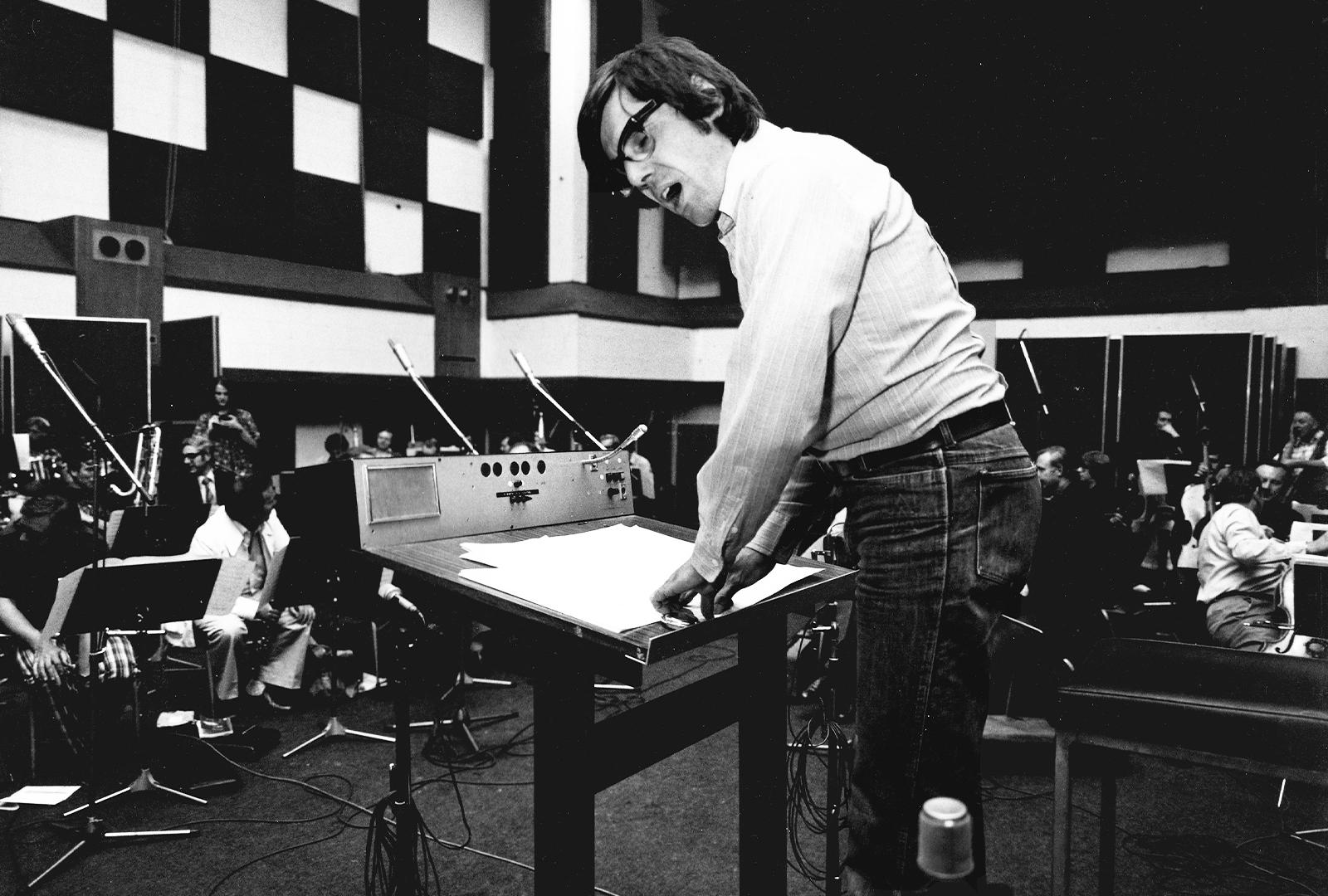
Keith Mansfield

Classical
Classical Crossover
Swing
 Viberate Rank: 111982
 Viberate Rank: 111982
 Monthly ListenersFollowers
 Subscribers
 Followers
 Followers
 FansTop Spotify Songs
| Track | 7-Day Streams | |
|---|---|---|
1 | 29.83K | |
2 | 4.47K | |
3 | 4.46K | |
4 | 3.81K | |
5 | 2.31K |
Top YouTube Videos| Video | 7-Day Views | |
|---|---|---|
1 | 5.81K | |
2 | 267 | |
3 | 153 | |
4 | 139 | |
5 | 128 |
Monthly ListenersFeatured in Playlists| Playlist | Followers | |
|---|---|---|
1 |  Stranger Things Official Playlist Spotify | 3.19M |
2 |  Best Tracks from Tarantino Films Spotify | 1.01M |
3 |  Kill Bill: Vol. 1 & 2 (Original Soundtrack) Alexandre Dupé | 173.76K |
4 |  Elevator Music Smash Meatchunk | 136.30K |
5 |  Stranger Things Soundtrack (Netflix) Excelsior Recordings | 121.76K |
Audience| City | Monthly Listeners | |
|---|---|---|
1 | | 3.43K |
2 |  | 2.30K |
3 |  | 2.01K |
4 | | 1.83K |
5 |  | 1.57K |
See full performance history, audience data, playlist activity, rankings, comparisons, and more in Viberate music analytics. Start with a free trial, then continue with a paid plan.
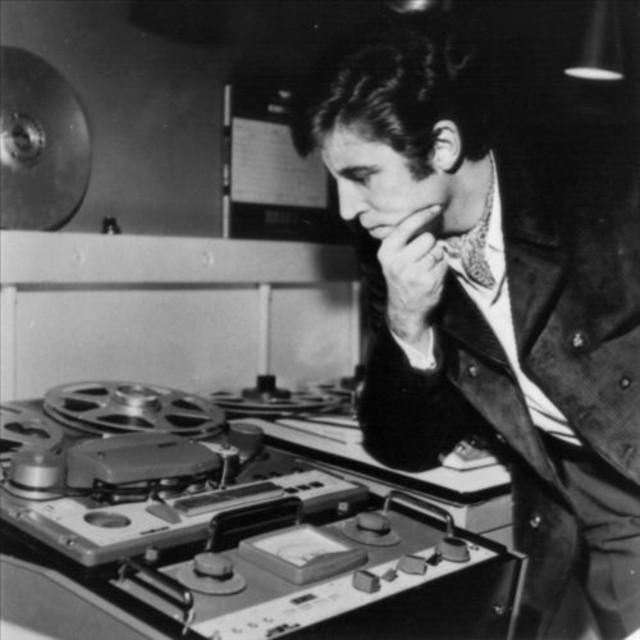
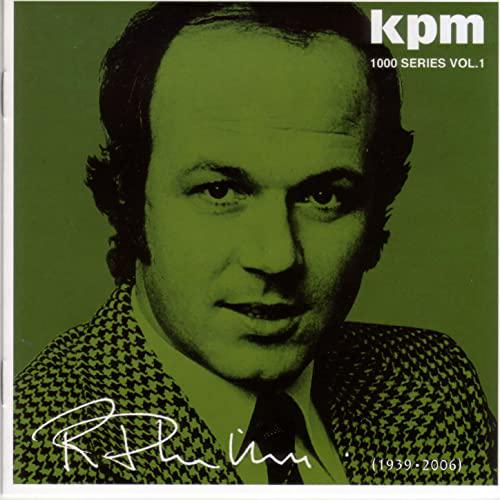
Keith Mansfield’s Spotify BioBorn in 1941, British composer and arranger Keith Mansfield was responsible for some of the most recognizable TV theme tunes and library music. Mansfield started his journey as a copyist at KPM (Keith Prowse Maurice) in 1964. It was under the guidance of Alan Moorhouse that he got his first break. Moorhouse -- a respected freelance arranger for KPM (who also wrote Lulu's hit Eurovision winner "Boom Bang-A-Bang") -- allowed Mansfield to ghost on several compositions for the label. During this period he also produced tracks for Dusty Springfield's 1969 album Dusty... Definitely. It took the foresight of then KPM boss Robin Phillips to recognize the talent of the young composer. He commissioned Keith to record a selection of Christmas carols and after these were a success in America, Phillips allowed him to record his own compositions with a full orchestra. Composing up to three or four arrangements a day, the late '60s and '70s were a fertile period for Mansfield. It was during this… decade he came up with his most memorable theme tunes, from the BBC's iconic Grandstand theme to "Funky Fanfare," the latter being used most famously by Quentin Tarantino, who borrowed the Astro Daters' "Our Next Attraction" for the openings of Kill Bill and Grindhouse (it has since been sampled by the likes of Danger Mouse, Madlib, and Fatboy Slim). His incredible output for KPM continues to be a constant source to crate-diggers and music fans alike. The sample royalties throughout the last few decades allowed the icon of library music to pursue personal music projects well into the 2000s. ~ Aneet Nijjar, Rovi
Viberate is a music analytics platform built for A&Rs, artist managers, labels, booking agents, marketers, and artists.
It helps music professionals track artist growth, analyze audience data, monitor playlist activity, compare artists, follow song performance, and identify opportunities across the music market.
Public artist pages provide a free preview of selected artist data. Paid plans provide access to deeper analytics, historical data, charts, comparisons, playlist tools, exports, alerts, reports, and additional professional features.
Yes. Public Viberate artist pages provide selected artist analytics and music data for free.
Viberate also offers a 7-day free trial of the full platform. A credit card is required to start the trial. The trial includes access to the complete product so users can test deeper artist analytics, historical views, playlist insights, comparisons, charts, exports, alerts, and reporting features before choosing a paid plan.
Viberate provides artist analytics across streaming, playlists, social media, video, radio airplay, songs, and audience markets.
Users can analyze Spotify performance, Spotify and Apple Music playlists, YouTube activity, TikTok and Instagram growth, radio spins, song performance, audience locations, demographics, rankings, and overall artist momentum.
Artist profiles also connect to music charts, similar artists, and comparison tools, helping users benchmark performance and evaluate artists in context.
Viberate updates key artist and track data daily.
For followed artists and tracks, selected data is refreshed multiple times per day. This helps teams monitor playlist changes, streaming movement, audience growth, releases, and campaign performance with more current data.
Update frequency can vary depending on the metric and data source.
Yes. Viberate lets users compare up to five artists side by side across streaming, social media, audience, and engagement metrics.
Users can compare fanbase growth, audience demographics, locations, Spotify performance, social metrics, and other artist data over selected time periods.
Artist comparison can be used for A&R scouting, benchmarking, booking decisions, campaign planning, and evaluating artists with similar audiences or market positions.