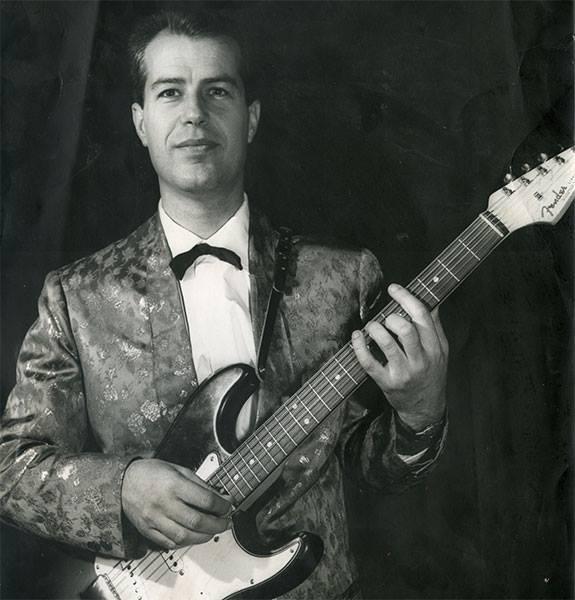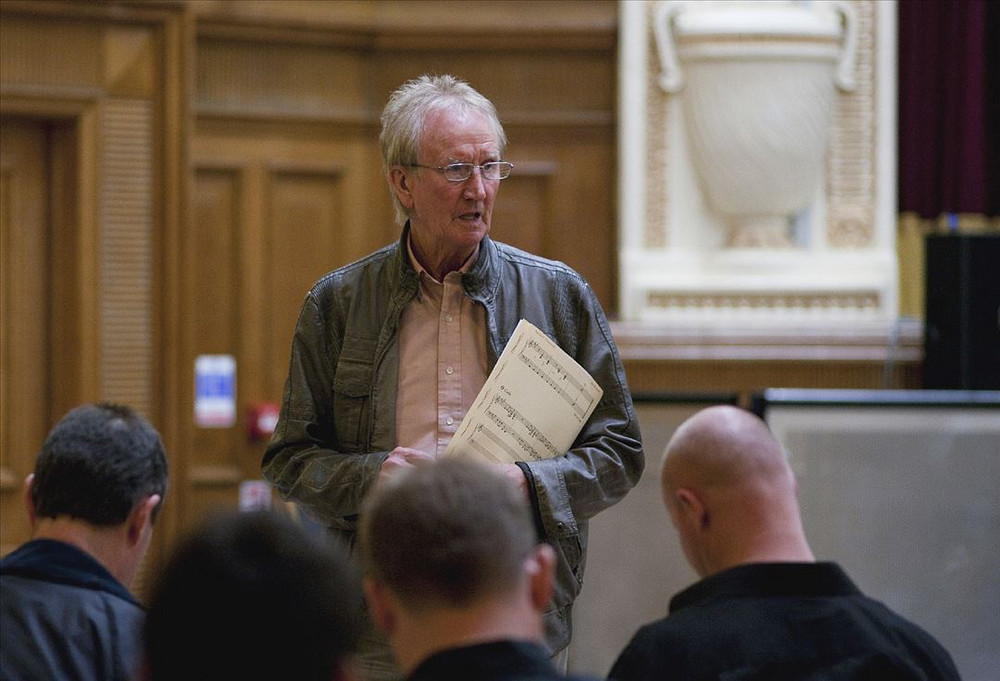
Alan Hawkshaw

Pop
Indie Pop
 Viberate Rank: 122617
 Viberate Rank: 122617
 Monthly ListenersFollowers
 Subscribers
 Followers
 Followers
 FansTop Spotify Songs
| Track | 7-Day Streams | |
|---|---|---|
1 | 16.01K | |
2 | 3.78K | |
3 | 3.59K | |
4 | 3.45K | |
5 | 3.22K |
Top YouTube VideosMonthly ListenersFeatured in Playlists| Playlist | Followers | |
|---|---|---|
1 |  70s Japanese Jazz/Funk luke | 193.04K |
2 |  real good shit Tom Misch | 165.62K |
3 |  The Blacklist - All Songs volinarb | 57.28K |
4 |  Mozy | 48.85K |
5 |  The Boroughs Soundtrack • Netflix • 2026 Retro Tones | 46.58K |
Audience| City | Monthly Listeners | |
|---|---|---|
1 |  | 1.91K |
2 | | 1.66K |
3 | | 1.19K |
4 | | 1.03K |
5 | | 911 |
See full performance history, audience data, playlist activity, rankings, comparisons, and more in Viberate music analytics. Start with a free trial, then continue with a paid plan.
Alan Hawkshaw’s Spotify BioA prolific British composer, arranger, and session musician, Alan Hawkshaw created a widely-heard body of work without ever achieving any sort of celebrity, a situation which suited him just fine. Although he was a member of the Shadows, played keyboards with everyone from David Bowie to Donna Summer, and even scored a number one dance hit in the U.S., Hawkshaw's most enduring contributions were in the form of library music, which was licensed extensively across film and television from the late-1960s onward. By the time of his death in 2021, his theme songs to British programs like Countdown, Grange Hill, and the Channel 4 News remained intimately familiar to many.
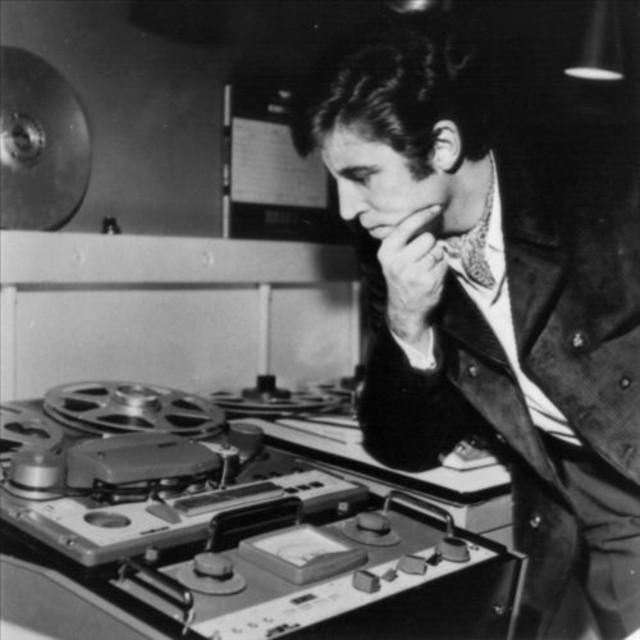
Born in Leeds, Hawkshaw's professional music career began in the early-'60s when he joined the rock group Emile Ford and the Checkmates, playing on their hit single "Counting Teardrops." Eventually he immersed himself in the London music scene where he became a popular session musician, playing keys for artists like David… Bowie and the Hollies and forming a short-lived studio band called the Mohawks whose 1968 song "The Champ" has been widely sampled, particularly in the hip-hop world. Heading into the '70s, Hawkshaw became a member of the Shadows and throughout the decade played on recordings by Serge Gainsbourg, Cliff Richard, Donna Summer, Olivia Newton-John, and many others. Despite his immense talent, he had no real desire for the spotlight and preferred to work in the background, composing music and playing a support role for other.
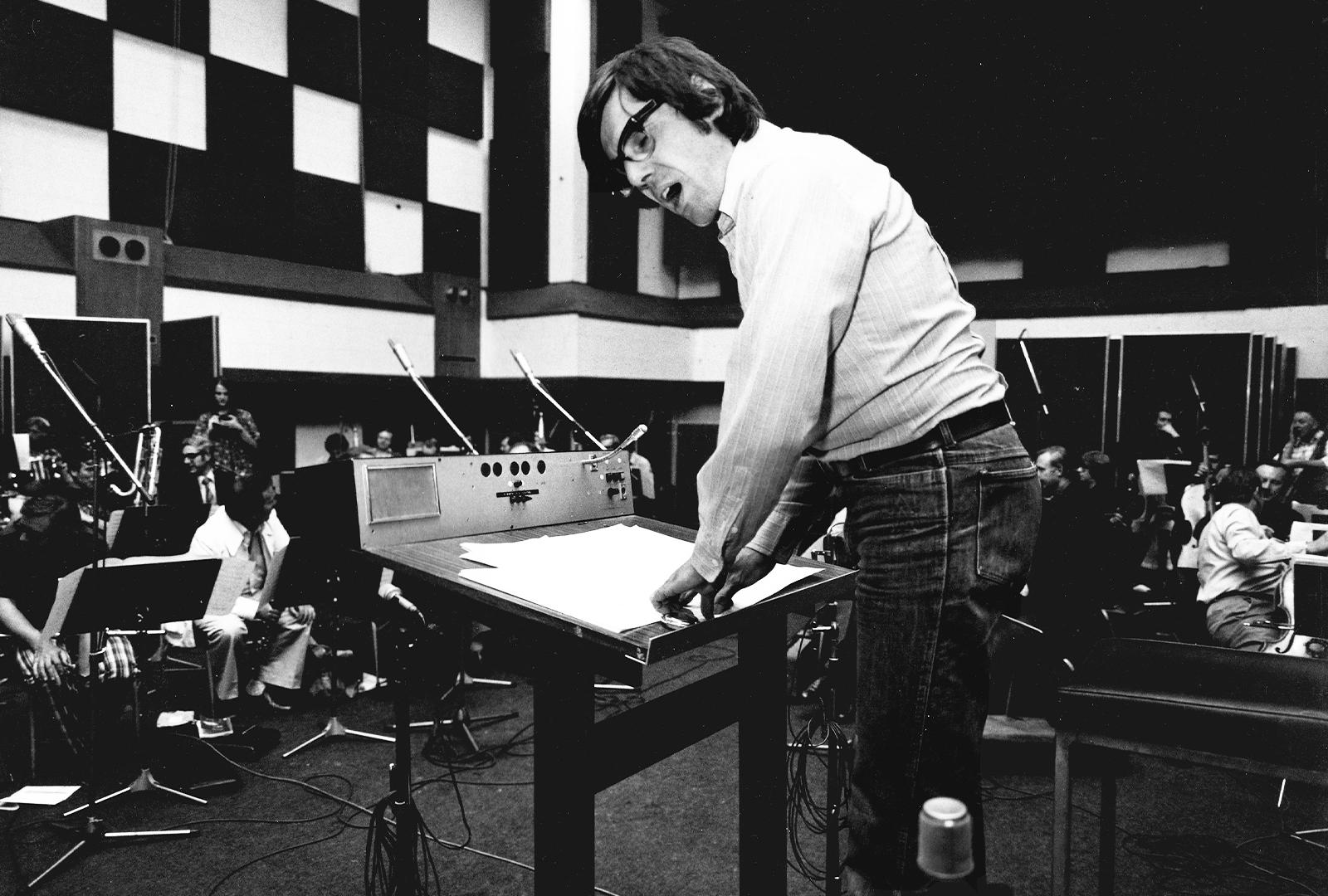
Although he appeared as a player on countless records, his real bread and butter came from composing and recording music for publisher Keith Prowse's KPM library. The wealth of instrumental music Hawkshaw made for KPM could be heard in a variety of facets from television programs like The Dave Allen Show and On the Move to American auteur Radley Metzger's late-'70s erotic films. Beginning in 1978, British soap opera Grange Hill adopted one of his library songs as its theme and a few years later, Channel 4 News did the same. The Channel 4 game show Countdown also used a Hawkshaw piece as its iconic "Chimes" jingle and he could be heard on hundreds of commercials as well. Hawkshaw even operated in the disco sphere where he managed to top the U.S. dance charts with 1979's "Here Comes That Sound Again" by his studio band Love De-Luxe.
He later formed the charitable organization the Alan Hawkshaw Foundation to support underprivileged music students. Just prior to his death from pneumonia in October 2021, Hawkshaw was awarded both a British Empire Medal and a Leeds fellowship. ~ Timothy Monger, Rovi
Viberate is a music analytics platform built for A&Rs, artist managers, labels, booking agents, marketers, and artists.
It helps music professionals track artist growth, analyze audience data, monitor playlist activity, compare artists, follow song performance, and identify opportunities across the music market.
Public artist pages provide a free preview of selected artist data. Paid plans provide access to deeper analytics, historical data, charts, comparisons, playlist tools, exports, alerts, reports, and additional professional features.
Yes. Public Viberate artist pages provide selected artist analytics and music data for free.
Viberate also offers a 7-day free trial of the full platform. A credit card is required to start the trial. The trial includes access to the complete product so users can test deeper artist analytics, historical views, playlist insights, comparisons, charts, exports, alerts, and reporting features before choosing a paid plan.
Viberate provides artist analytics across streaming, playlists, social media, video, radio airplay, songs, and audience markets.
Users can analyze Spotify performance, Spotify and Apple Music playlists, YouTube activity, TikTok and Instagram growth, radio spins, song performance, audience locations, demographics, rankings, and overall artist momentum.
Artist profiles also connect to music charts, similar artists, and comparison tools, helping users benchmark performance and evaluate artists in context.
Viberate updates key artist and track data daily.
For followed artists and tracks, selected data is refreshed multiple times per day. This helps teams monitor playlist changes, streaming movement, audience growth, releases, and campaign performance with more current data.
Update frequency can vary depending on the metric and data source.
Yes. Viberate lets users compare up to five artists side by side across streaming, social media, audience, and engagement metrics.
Users can compare fanbase growth, audience demographics, locations, Spotify performance, social metrics, and other artist data over selected time periods.
Artist comparison can be used for A&R scouting, benchmarking, booking decisions, campaign planning, and evaluating artists with similar audiences or market positions.