Brian Bennett

Rock
Indie Rock
Orchestral
 Viberate Rank: 135733
 Viberate Rank: 135733
 Monthly ListenersFollowers
 Subscribers
 Followers
 Followers
 FansTop Spotify Songs
| Track | 7-Day Streams | |
|---|---|---|
1 | 16.01K | |
2 | 8.22K | |
3 | 5.59K | |
4 | 3.74K | |
5 | 3.45K |
Top YouTube VideosMonthly ListenersFeatured in Playlists| Playlist | Followers | |
|---|---|---|
1 |  70s Japanese Jazz/Funk luke | 193.04K |
2 |  real good shit Tom Misch | 165.62K |
3 |  Mozy | 48.85K |
4 |  Aphex Twin: [mostly mellow] for Supreme Supreme | 44.15K |
5 |  Indications' Inspirations Durand Jones & The Indications | 35.68K |
Audience| City | Monthly Listeners | |
|---|---|---|
1 |  | 1.68K |
2 | | 1.59K |
3 |  | 1.44K |
4 | | 1.33K |
5 | | 1.26K |
See full performance history, audience data, playlist activity, rankings, comparisons, and more in Viberate music analytics. Start with a free trial, then continue with a paid plan.
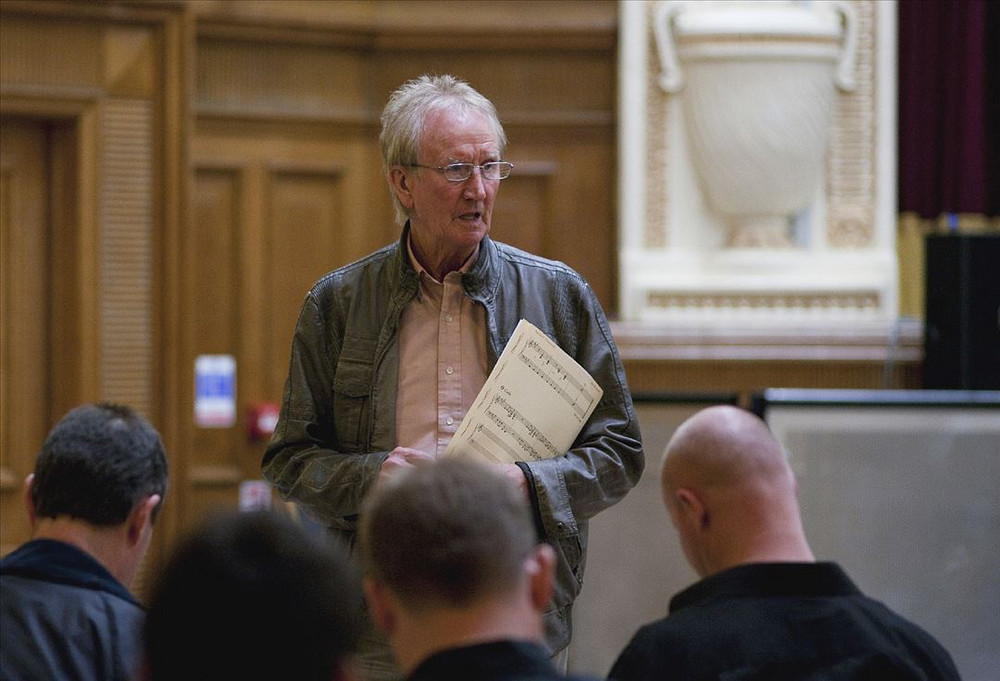
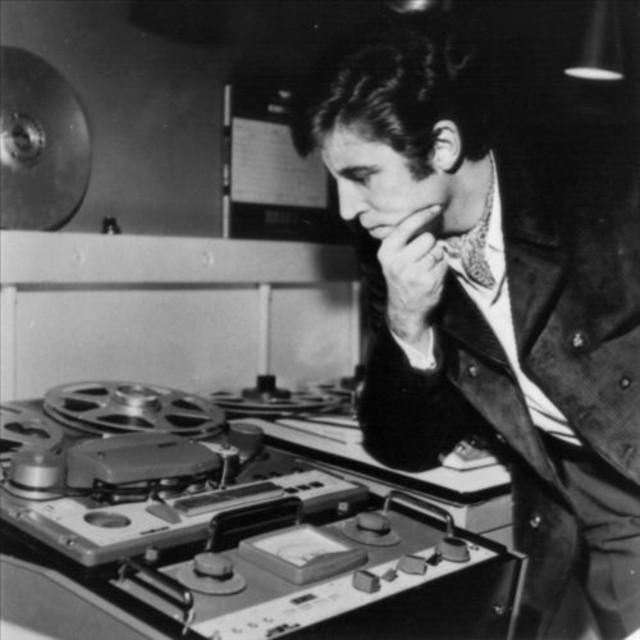
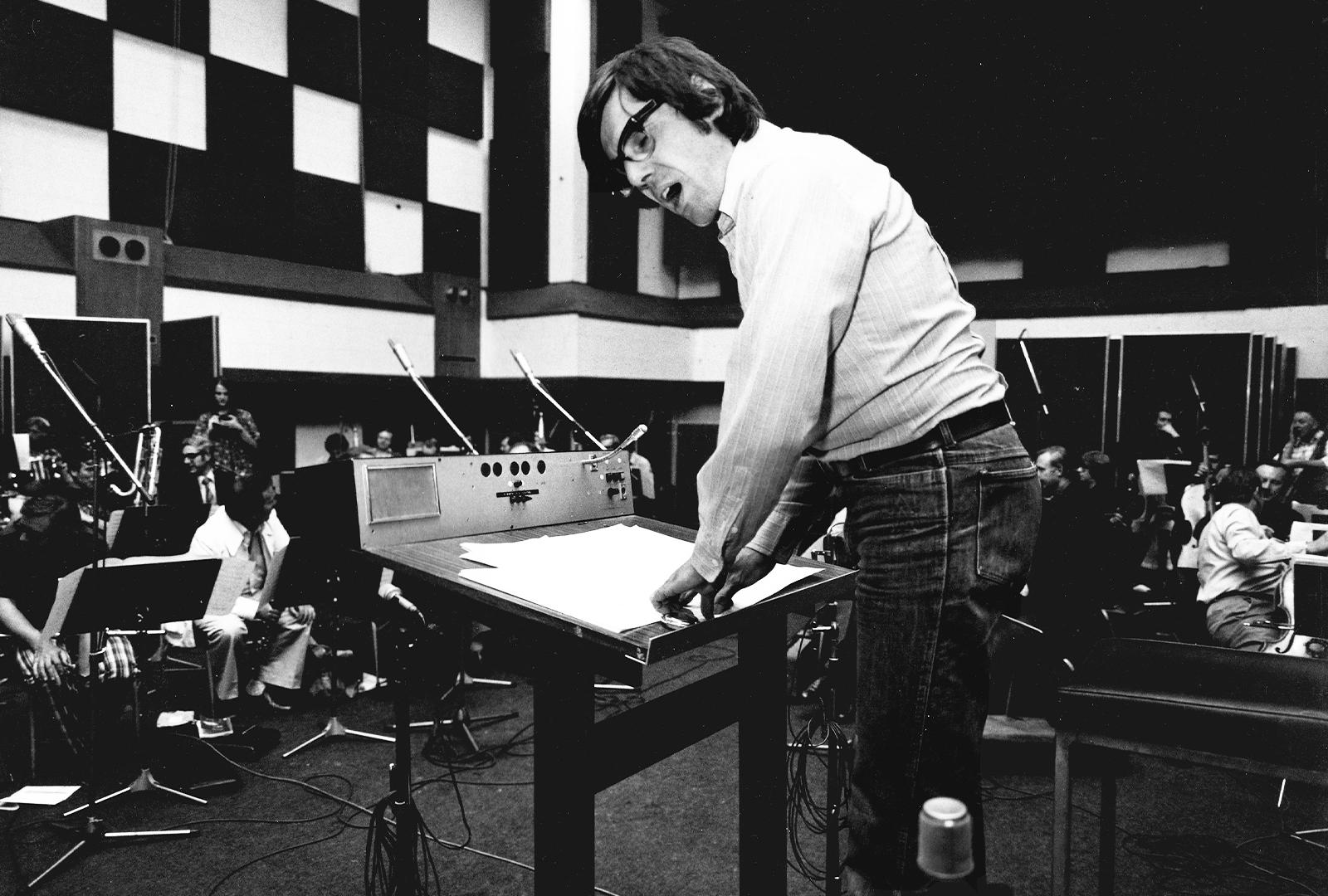
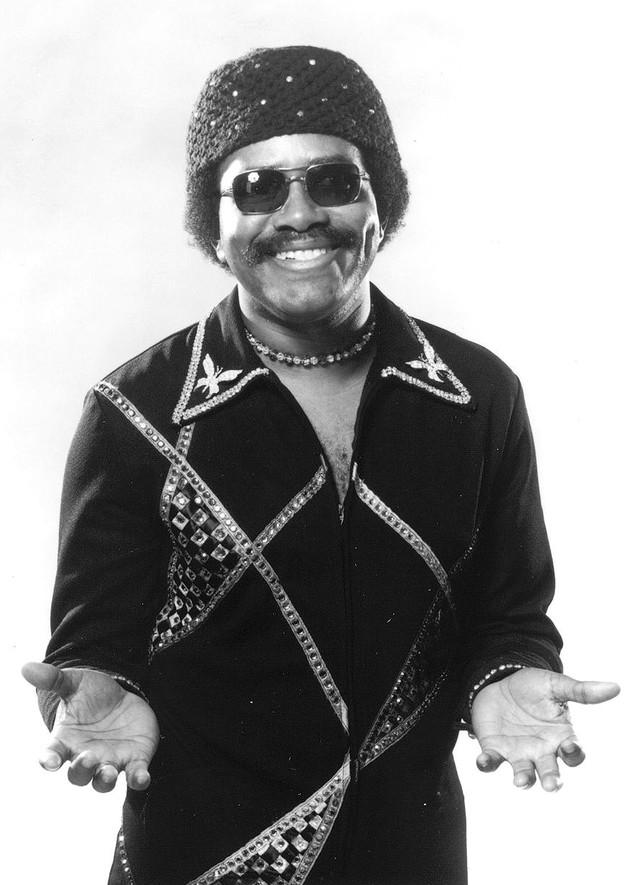
Brian Bennett’s Spotify BioBritish musician Brian Bennett has led a multi-tiered career, renowned as both a longtime drummer for rock & roll institution the Shadows, as well as a top arranger and an award-winning film and television composer. While still a Shadow, he branched off with the jazzy instrumental solo LP Change of Direction (1967), and began composing music for television and films during the 1970s, scoring everything from sports programs, nature series, and sitcoms to mysteries and horror films. He regularly worked with composers like Alan Hawkshaw and James Clarke as part of the KPM Music library, and later worked with other companies such as Bruton Music. Bennett ventured into disco and funk with his 1978 album Voyage as well as other projects such as Heat Exchange. By the beginning of the 21st century, he had won three Ivor Novello Awards for his work, and he was appointed an Officer of the Order of the British Empire for his services to music in 2004. Operating his own state-of-the-art… home-recording facility, Honeyhill Studios, he has remained active into his eighties, continuing to work with Hawkshaw (the two released the album Full Circle in 2018) as well as his son, fellow composer and Shadow Warren Bennett.
Born Brian Lawrence Bennett in Palmers Green, North London in 1940, his interest in music dated from an early age. In 1957, he left school at 16 years old to take a spot playing drums in a skiffle band. He became the house drummer at the 2I's coffee bar in Soho, the Mecca for aspiring rock & roll bands in England, and from there he earned a regular spot on the TV music showcase Oh Boy! By 1959, Bennett was regarded as one of the top rock & roll drummers in England, and part of a growing number of young drummers -- he was not yet 20 -- capable of playing the music well. That year, he joined the Wild Cats, the band backing rock & roll singer Marty Wilde. He remained with Wilde for two years, also playing outside live gigs with stars such as Tommy Steele, and he was featured on a Wild Cats instrumental release of "Trambone," recorded as the Krew Kats.
In October 1961, lightning struck for Bennett's career when Tony Meehan -- then regarded as the greatest drummer in England -- quit the Shadows, who were then the biggest rock & roll band in England as well as the backing band for Cliff Richard, the top singer in the field. The opening was one of the most coveted in the country; the Shadows were regularly topping the charts in their own right, and their concerts with Richard were riotous affairs, huge sell-outs in front of hordes of screaming fans across England -- and Bennett was offered the spot. He accepted and was with the group across a string of hit singles and albums, lasting through their intended official breakup in 1968, on the occasion of their tenth anniversary as a professional band.
By this time, he had started releasing instrumental music on his own, beginning with 1967's Columbia-issued Change of Direction (a mixture of originals and pop/rock covers) and following with 1969's similar The Illustrated London Noise. He also showed himself to be a highly talented songwriter, earning his first Ivor Novello Award for composing the title theme to the movie Summer Holiday, which starred Richard and the band. He also contributed songs to their subsequent movies, up through Finders Keepers.
Following the 1968 "farewell" concert, Bennett participated along with lead guitarist Hank Marvin and bassist John Rostill in the band's brief 1969 reunion for a tour of Japan. Starting in 1970, with the group on extended hiatus, he turned to other areas of music. He had already developed some insights into the mechanics of music through his work as a songwriter, and he took a correspondence course in arranging and orchestration that, when added to his natural ability as a composer, ended up reshaping his whole career. Bennett played with Cliff Richard's backing band, and subsequently became Richard's arranger as well as the organizer and leader of his backing group. Even more important, amid the string of hit albums with Richard that followed, he also started writing music for movies and television. He had always provided vocals on the Shadows' own recordings, and now he re-established his performing credentials on the piano as well as the vibraphone.
By the mid-'70s, Bennett's days with the Shadows seemed long past, as he became a record producer as well. The range of artists that he worked with far transcended the ranks of early British rockers; he could be found playing drums on records by Olivia Newton-John, Al Stewart, Labi Siffre, the Walker Brothers, and Chris Spedding. His television music also achieved great popularity in England, especially his action-oriented work for the police series The Sweeney. Behind the scenes, he was a crucial part of the KPM Music production company, and he made library music recordings with Alan Hawkshaw (such as 1974's Synthesizer and Percussion) and as part of the KPM house band, Wasp. He also released some projects as a headlining artist, venturing into a disco/funk-influenced direction. Rock Dreams, credited to the Brian Bennett Band, appeared on DJM Records in 1977, followed by the space disco solo album Voyage in 1978. One Step Ahead, a vocal-driven disco effort by Bennett's group Heat Exchange, was released by EMI in 1979.
By the '80s, he had become so successful and ubiquitous a presence in music that he won a second Ivor Novello Award for his career-length contributions to music. His work during the decade included instrumental recordings for Bruton Music and Music House, including atmospheric soundscapes like 1982's Nature Watch as well as beat-driven efforts like 1985's In the Groove, with his son Warren. He won a third Novello Award for his score for The Ruth Rendell Mysteries in 1990. At the outset of the 21st century, Bennett earned the Gold Badge Award from the British Academy of Composers and Songwriters Society, and his work for Murder in Mind earned the Royal Television Society Craft & Design Awards for 2000 to 2001. The Shadows re-formed for a farewell tour in 2004, and along with his bandmates, Bennett was appointed an OBE. The band remained completed a 50th anniversary tour in 2009. In 2016, Bennett released Shadowing John Barry, an orchestral tribute to one of his mentors and primarily influences, including appearances from Peter Frampton, Mark Knopfler, Ray Russell, and other musicians. Bennett's KPM LPs from the 1970s were reissued in 2018, and he reunited Hawkshaw for an album titled Full Circle. Voyage was also reissued a few times, including a 2021 edition on Cherry Red that featured a second disc of single edits and working mixes. ~ Bruce Eder & Paul Simpson, Rovi
Viberate is a music analytics platform built for A&Rs, artist managers, labels, booking agents, marketers, and artists.
It helps music professionals track artist growth, analyze audience data, monitor playlist activity, compare artists, follow song performance, and identify opportunities across the music market.
Public artist pages provide a free preview of selected artist data. Paid plans provide access to deeper analytics, historical data, charts, comparisons, playlist tools, exports, alerts, reports, and additional professional features.
Yes. Public Viberate artist pages provide selected artist analytics and music data for free.
Viberate also offers a 7-day free trial of the full platform. A credit card is required to start the trial. The trial includes access to the complete product so users can test deeper artist analytics, historical views, playlist insights, comparisons, charts, exports, alerts, and reporting features before choosing a paid plan.
Viberate provides artist analytics across streaming, playlists, social media, video, radio airplay, songs, and audience markets.
Users can analyze Spotify performance, Spotify and Apple Music playlists, YouTube activity, TikTok and Instagram growth, radio spins, song performance, audience locations, demographics, rankings, and overall artist momentum.
Artist profiles also connect to music charts, similar artists, and comparison tools, helping users benchmark performance and evaluate artists in context.
Viberate updates key artist and track data daily.
For followed artists and tracks, selected data is refreshed multiple times per day. This helps teams monitor playlist changes, streaming movement, audience growth, releases, and campaign performance with more current data.
Update frequency can vary depending on the metric and data source.
Yes. Viberate lets users compare up to five artists side by side across streaming, social media, audience, and engagement metrics.
Users can compare fanbase growth, audience demographics, locations, Spotify performance, social metrics, and other artist data over selected time periods.
Artist comparison can be used for A&R scouting, benchmarking, booking decisions, campaign planning, and evaluating artists with similar audiences or market positions.