Ultimate Spinach

Rock
Psychedelic Rock
 Viberate Rank: 131293
 Viberate Rank: 131293
 Monthly ListenersFollowers
 Subscribers
 Followers
 Followers
 FansTop Spotify Songs
| Track | 7-Day Streams | |
|---|---|---|
1 | 12.37K | |
2 | 5.63K | |
3 | 4.74K | |
4 | 3.33K | |
5 | 2.06K |
Top YouTube VideosMonthly ListenersFeatured in Playlists| Playlist | Followers | |
|---|---|---|
1 |  The Boroughs Soundtrack • Netflix • 2026 Retro Tones | 46.58K |
2 |  60s dark psychedelic rock Olga | 33.69K |
3 |  That 70s Show Björn Lindhe | 24.49K |
4 |  Floss' Psych Bops florencegiven | 22.86K |
5 | Psychedelic rock/High jams 𝕾𝖙𝖊𝖋𝖆𝖓𝖔 𝕷𝖊𝖈𝖈𝖆 | 22.50K |
Audience| City | Monthly Listeners | |
|---|---|---|
1 | | 1.10K |
2 |  | 854 |
3 | | 699 |
4 |  | 654 |
5 | | 654 |
See full performance history, audience data, playlist activity, rankings, comparisons, and more in Viberate music analytics. Start with a free trial, then continue with a paid plan.
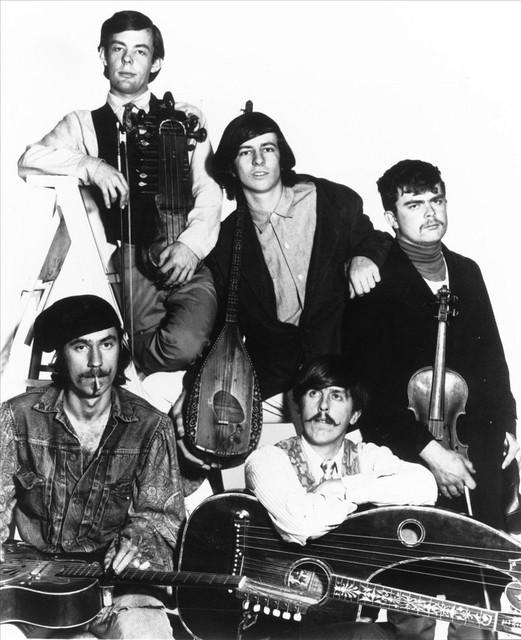
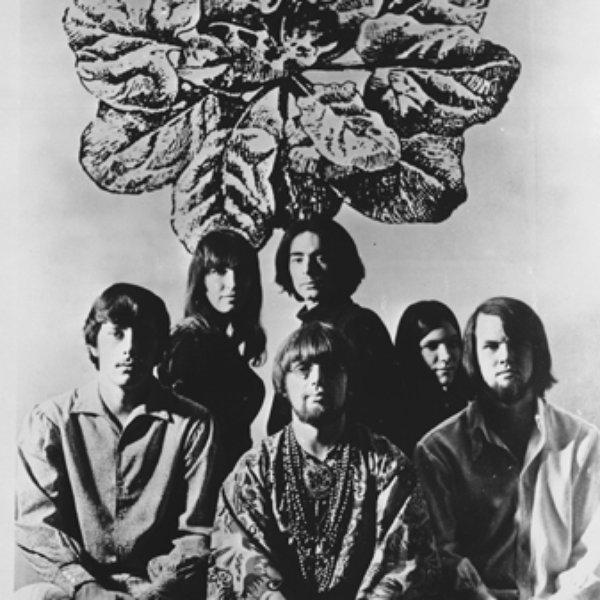
Ultimate Spinach’s Spotify BioUltimate Spinach was one of the most well-known, and perhaps the most notorious, of the groups to be hyped as part of the "Bosstown Sound" in 1968. The name itself guaranteed attention, as one of the most ludicrous and heavy-handed "far out" monikers of the psychedelic era, even outdoing formidable competition such as the Peanut Butter Conspiracy. Although the group were competent musicians with streaks of imagination, their albums were generally poor third cousins to the West Coast psychedelic groups that served as their obvious inspirations.
Ultimate Spinach was produced by veteran arranger Alan Lorber, a main architect of the "Bosstown Sound." In September 1967, he announced a marketing plan in the top music trade papers to make Boston, in his own words (from his liner notes to Big Beat's reissue of Ultimate Spinach's first album), "a target city for the development of new artists from one geographical location." This automatically insured that Lorber and his groups would be the… subject of some derision from the hip underground, since vital regional music scenes such as San Francisco psychedelia (which the Bosstown sound often seemed to be mimicking) have to happen on their own, rather than being manufactured. MGM was the label that released most of the Bosstown Sound groups, and it was through MGM that Lorber arranged to distribute two of the bands he produced, Orpheus and Ultimate Spinach.
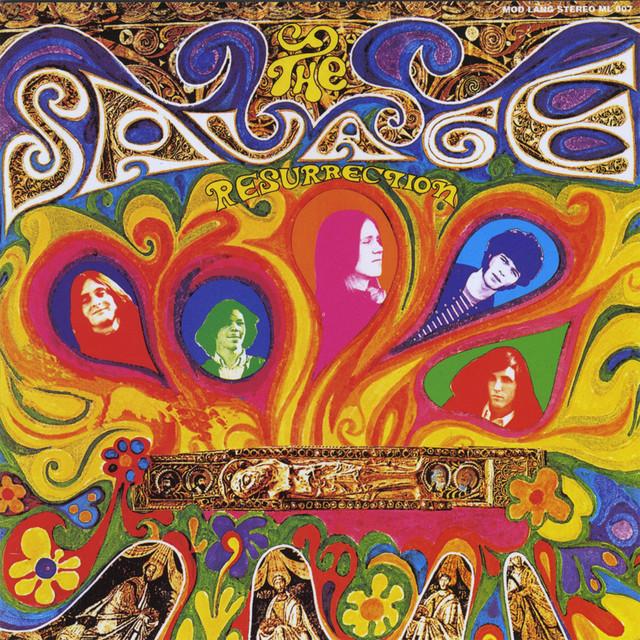
On the first two of their three albums, Ultimate Spinach was utterly dominated by leader Ian Bruce-Douglas, who wrote all of the material, sang the majority of the lead vocals, and played a wide variety of instruments, most frequently electric keyboards. Their self-titled debut, released in 1967, was a seriously intended psychedelic stew, with inadvertent comically awkward results. Bruce-Douglas' songs tended to be either dippily, humorlessly cosmic, or colored by equally too-serious fingerpointing at mainstream society. The music aped the songwriting forms and guitar/keyboard textures of West Coast psychedelic stars the Doors, the Jefferson Airplane, and Country Joe & the Fish, but sounded like ham-handed pastiches. Bruce-Douglas created some sleek, weedy electric keyboard lines on tracks like "Sacrifice of the Moon," but was sometimes so imitative of Country Joe & the Fish's first album that he crossed the line into plagiarism, as on "Baroque #1," with its close similarities to Country Joe's "The Masked Marauder." There were more graceful touches in the occasional vocals by guitarist Barbara Hudson and a Baroque-classical tinge to some of the arrangements, and the album did actually sell fairly well.
Behold and See, also released in 1968, was similar to the debut album but a little more even-keeled. That wasn't all good news: there weren't any keyboard-dominated instrumentals to rival "Sacrifice of the Moon," Barbara Hudson didn't have any lead vocals (although guest vocalist Carol Lee Britt took some), and Bruce-Douglas' songwriting was still embarrassingly high-minded and pretentious. The mysterious Bruce-Douglas disbanded Ultimate Spinach after the second LP was recorded, leaving Lorber holding the bag, as a third Ultimate Spinach album had already been scheduled for release. An entirely different lineup was assembled for their third and last album, with only Barbara Hudson remaining from the one heard on the first LP. Also including Ted Myers (ex-Lost and Chamaeleon Church) and guitarist Jeff Baxter (later to play with Steely Dan and the Doobie Brothers), this version of Ultimate Spinach recorded III. The record was an undistinguished jumble of psychedelic, hard rock, and pop styles that sounded like the work of several different bands.
All three Ultimate Spinach albums were reissued on CD in the mid-'90s by Big Beat in the U.K.. ~ Richie Unterberger, Rovi
Viberate is a music analytics platform built for A&Rs, artist managers, labels, booking agents, marketers, and artists.
It helps music professionals track artist growth, analyze audience data, monitor playlist activity, compare artists, follow song performance, and identify opportunities across the music market.
Public artist pages provide a free preview of selected artist data. Paid plans provide access to deeper analytics, historical data, charts, comparisons, playlist tools, exports, alerts, reports, and additional professional features.
Yes. Public Viberate artist pages provide selected artist analytics and music data for free.
Viberate also offers a 7-day free trial of the full platform. A credit card is required to start the trial. The trial includes access to the complete product so users can test deeper artist analytics, historical views, playlist insights, comparisons, charts, exports, alerts, and reporting features before choosing a paid plan.
Viberate provides artist analytics across streaming, playlists, social media, video, radio airplay, songs, and audience markets.
Users can analyze Spotify performance, Spotify and Apple Music playlists, YouTube activity, TikTok and Instagram growth, radio spins, song performance, audience locations, demographics, rankings, and overall artist momentum.
Artist profiles also connect to music charts, similar artists, and comparison tools, helping users benchmark performance and evaluate artists in context.
Viberate updates key artist and track data daily.
For followed artists and tracks, selected data is refreshed multiple times per day. This helps teams monitor playlist changes, streaming movement, audience growth, releases, and campaign performance with more current data.
Update frequency can vary depending on the metric and data source.
Yes. Viberate lets users compare up to five artists side by side across streaming, social media, audience, and engagement metrics.
Users can compare fanbase growth, audience demographics, locations, Spotify performance, social metrics, and other artist data over selected time periods.
Artist comparison can be used for A&R scouting, benchmarking, booking decisions, campaign planning, and evaluating artists with similar audiences or market positions.