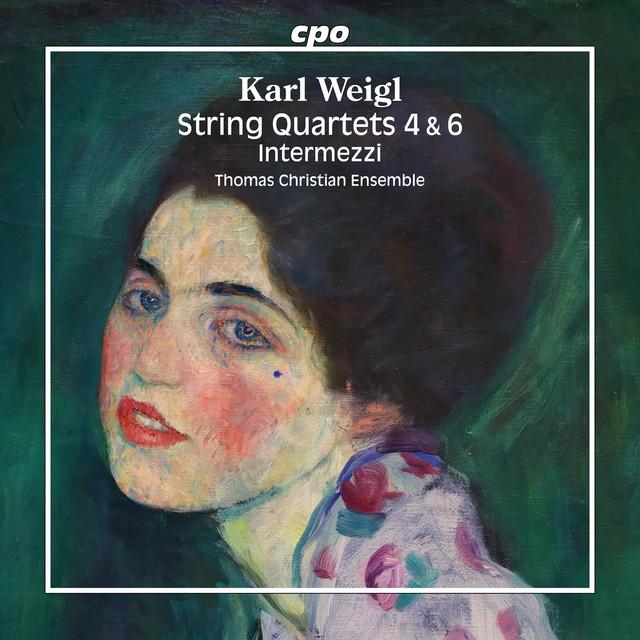
Jupiter String Quartet

Classical
Chamber Music
 Viberate Rank: 488433
 Viberate Rank: 488433
 Monthly ListenersFollowers
 Subscribers
 Followers
 Followers
 FansTop Spotify Songs
| Track | 7-Day Streams | |
|---|---|---|
1 | 30 | |
2 | 17 | |
3 | 9 | |
4 | 6 | |
5 | 6 |
Top YouTube VideosMonthly ListenersFeatured in Playlists| Playlist | Followers | |
|---|---|---|
1 | 60bpm Baroque Study Tan | 4.99K |
2 | Samuel Barber Agnus Dei, Adagio Op. 11 Giuseppe Leo | 2.76K |
3 |  20th Century Classical myxolydian | 1.07K |
Audience| City | Monthly Listeners | |
|---|---|---|
1 | | 12 |
2 | | 8 |
3 |  | 5 |
4 | | 4 |
5 | | 3 |
See full performance history, audience data, playlist activity, rankings, comparisons, and more in Viberate music analytics. Start with a free trial, then continue with a paid plan.
Jupiter String Quartet’s Spotify BioThe Jupiter String Quartet is a particularly intimate group, consisting of violinists Mélanie Clapiès and Meg Freivogel, violist Liz Freivogel (Meg’s older sister), and cellist Daniel McDonough (Meg’s husband, Liz’s brother-in-law). Founded in 2001, the ensemble is firmly established as an important voice in the world of chamber music, and exudes an energy that is at once friendly, knowledgeable, and adventurous. The New Yorker states, “The Jupiter String Quartet, an ensemble of eloquent intensity, has matured into one of the mainstays of the American chamber-music scene.”
The Jupiter String Quartet feels a strong connection to the core string quartet repertoire; they have presented the complete Bartok string quartets at the University of Illinois and the complete cycle of Beethoven string quartets at the Aspen Music Festival and School, the Massachusetts Institute of Technology and the Lanaudiere Festival in Quebec. Also deeply committed to new music, they have commissioned string… quartets from Nathan Shields, Stephen Andrew Taylor, Michi Wiancko, Syd Hodkinson, Hannah Lash, Dan Visconti, and Kati Agócs; a quintet with baritone voice by Mark Adamo; and a piano quintet by Pierre Jalbert. They are also part of a commission for chamber choir and string quartet, with music by Su Lian Tan and words by Robin Wall Kimmerer.
Viberate is a music analytics platform built for A&Rs, artist managers, labels, booking agents, marketers, and artists.
It helps music professionals track artist growth, analyze audience data, monitor playlist activity, compare artists, follow song performance, and identify opportunities across the music market.
Public artist pages provide a free preview of selected artist data. Paid plans provide access to deeper analytics, historical data, charts, comparisons, playlist tools, exports, alerts, reports, and additional professional features.
Yes. Public Viberate artist pages provide selected artist analytics and music data for free.
Viberate also offers a 7-day free trial of the full platform. A credit card is required to start the trial. The trial includes access to the complete product so users can test deeper artist analytics, historical views, playlist insights, comparisons, charts, exports, alerts, and reporting features before choosing a paid plan.
Viberate provides artist analytics across streaming, playlists, social media, video, radio airplay, songs, and audience markets.
Users can analyze Spotify performance, Spotify and Apple Music playlists, YouTube activity, TikTok and Instagram growth, radio spins, song performance, audience locations, demographics, rankings, and overall artist momentum.
Artist profiles also connect to music charts, similar artists, and comparison tools, helping users benchmark performance and evaluate artists in context.
Viberate updates key artist and track data daily.
For followed artists and tracks, selected data is refreshed multiple times per day. This helps teams monitor playlist changes, streaming movement, audience growth, releases, and campaign performance with more current data.
Update frequency can vary depending on the metric and data source.
Yes. Viberate lets users compare up to five artists side by side across streaming, social media, audience, and engagement metrics.
Users can compare fanbase growth, audience demographics, locations, Spotify performance, social metrics, and other artist data over selected time periods.
Artist comparison can be used for A&R scouting, benchmarking, booking decisions, campaign planning, and evaluating artists with similar audiences or market positions.