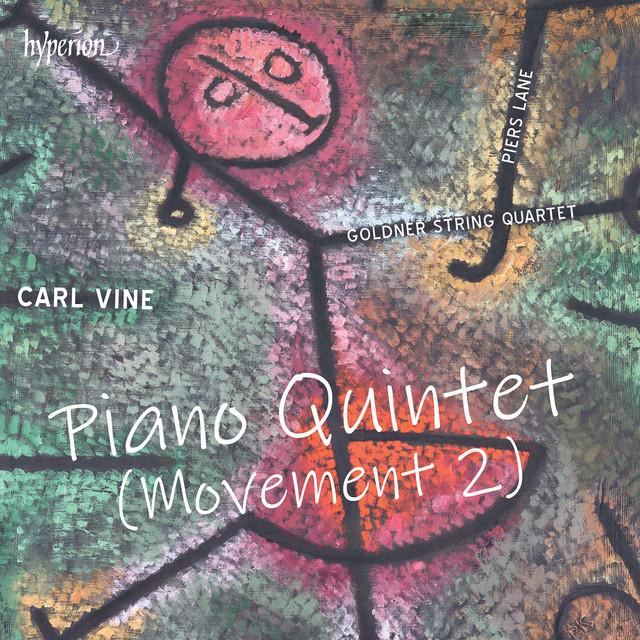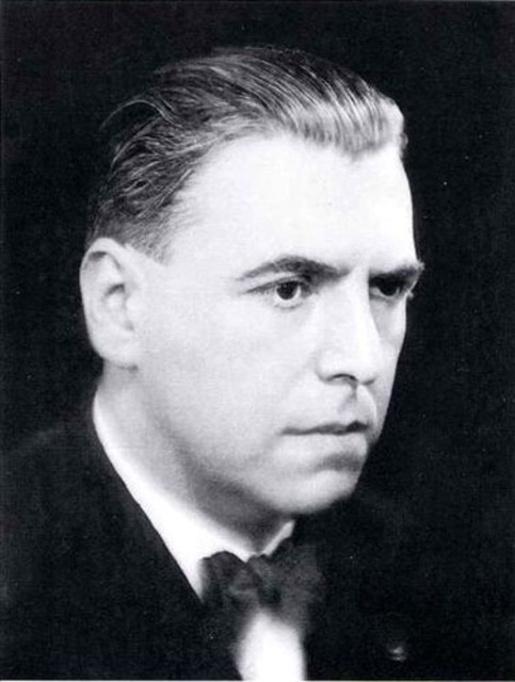
Goldner String Quartet

Classical
Chamber Music
 Viberate Rank: 392994
 Viberate Rank: 392994
 Monthly ListenersFollowers
 Subscribers
 Followers
 Followers
 FansTop Spotify SongsTop YouTube VideosMonthly ListenersFeatured in Playlists
| Playlist | Followers | |
|---|---|---|
1 |  This Is Alexander Borodin Spotify | 13.50K |
2 |  This Is Max Bruch Spotify | 12.02K |
3 |  El Foraster (llista completa) 3Cat | 8.14K |
4 |  Chamber Music for Self-Renewal synergy555 | 4.21K |
5 |  The Lobster Soundtrack: Music from a Film by Yorgos Lanthimos Wendy | 4.18K |
Audience| City | Monthly Listeners | |
|---|---|---|
1 | | 109 |
2 | | 104 |
3 |  | 52 |
4 |  | 47 |
5 | | 42 |
See full performance history, audience data, playlist activity, rankings, comparisons, and more in Viberate music analytics. Start with a free trial, then continue with a paid plan.
Goldner String Quartet’s Spotify BioThe Goldner String Quartet can make a strong claim to preeminence among the string quartets active in Australia, having achieved both considerable longevity and international celebrity. The quartet was founded in 1995 and consists of violinists Dene Olding and Dimity Hall, violist Irina Morozova, and cellist Julian Smiles. The players are both professionally and personally connected: they are members of the Australia Ensemble of the University of New South Wales, and they include a pair of married couples (Dene Olding & Irina Morozova and Dimity Hall & Julian Smiles). The quartet was named for Richard Goldner, the Romanian-Australian founder of the chamber music presenter Musica Viva Australia, under whose auspices the Goldner String Quartet has often performed. They also made a major appearance at the Adelaide Festival in 2000, performing a retrospective of 20th century string quartet works. They regularly appear at major festivals in Australia and New Zealand, including Music in the… Hunter, the Australian Festival of Chamber Music (where they have served as Quartet in Residence), and, in 2017, the Adam Chamber Music Festival in Nelson, New Zealand. Two years after its founding, the quartet made its debut at London's Wigmore Hall. Its U.S. debut was similarly prestigious, taking place at the 92nd Street Y in New York (along with performances in Washington). The Goldner String Quartet has also toured in Italy, France, Finland, and South Korea.
The quartet made its debut in 1998 with a pair of albums devoted to the string quartets of Peter Sculthorpe, but since then has recorded mostly for the Hyperion label in Britain and the national broadcaster's ABC Classics label in Australia. For the latter they recorded a complete cycle of Beethoven's string quartets (in live performances at Musica Viva). They have focused mainly, however, on repertory of the late 19th and early 20th centuries, releasing in 2017 an album featuring Alexander Borodin's Piano Quintet (with Piers Lane) and String Quartet No. 2. As of 2017, their 22nd year, the quartet retained its original membership.
Viberate is a music analytics platform built for A&Rs, artist managers, labels, booking agents, marketers, and artists.
It helps music professionals track artist growth, analyze audience data, monitor playlist activity, compare artists, follow song performance, and identify opportunities across the music market.
Public artist pages provide a free preview of selected artist data. Paid plans provide access to deeper analytics, historical data, charts, comparisons, playlist tools, exports, alerts, reports, and additional professional features.
Yes. Public Viberate artist pages provide selected artist analytics and music data for free.
Viberate also offers a 7-day free trial of the full platform. A credit card is required to start the trial. The trial includes access to the complete product so users can test deeper artist analytics, historical views, playlist insights, comparisons, charts, exports, alerts, and reporting features before choosing a paid plan.
Viberate provides artist analytics across streaming, playlists, social media, video, radio airplay, songs, and audience markets.
Users can analyze Spotify performance, Spotify and Apple Music playlists, YouTube activity, TikTok and Instagram growth, radio spins, song performance, audience locations, demographics, rankings, and overall artist momentum.
Artist profiles also connect to music charts, similar artists, and comparison tools, helping users benchmark performance and evaluate artists in context.
Viberate updates key artist and track data daily.
For followed artists and tracks, selected data is refreshed multiple times per day. This helps teams monitor playlist changes, streaming movement, audience growth, releases, and campaign performance with more current data.
Update frequency can vary depending on the metric and data source.
Yes. Viberate lets users compare up to five artists side by side across streaming, social media, audience, and engagement metrics.
Users can compare fanbase growth, audience demographics, locations, Spotify performance, social metrics, and other artist data over selected time periods.
Artist comparison can be used for A&R scouting, benchmarking, booking decisions, campaign planning, and evaluating artists with similar audiences or market positions.