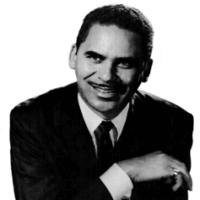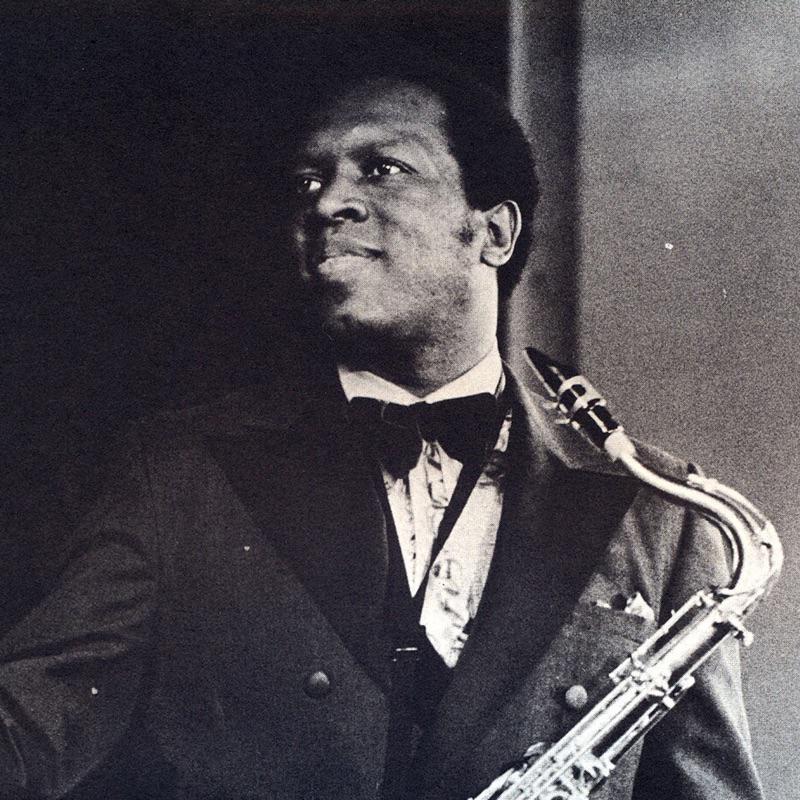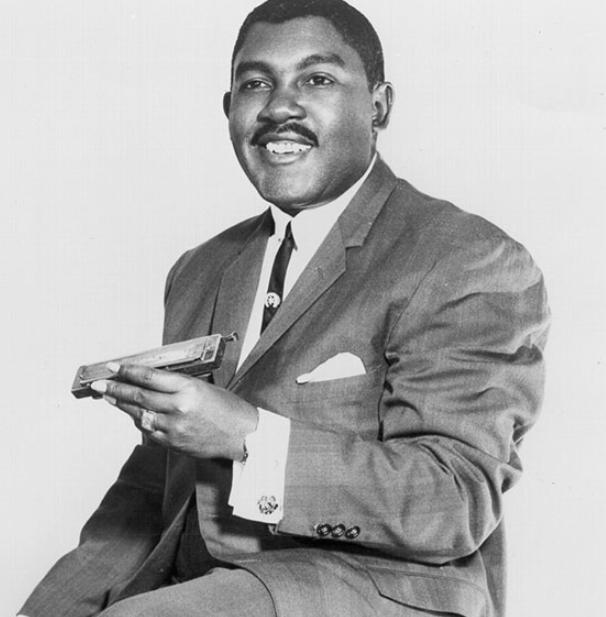
Junior Parker

Blues
Classic Blues
Soul Blues
 Viberate Rank: 166577
 Viberate Rank: 166577
 Monthly ListenersFollowers
 Subscribers
 Followers
 Followers
 FansTop Spotify Songs
| Track | 7-Day Streams | |
|---|---|---|
1 | 6.55K | |
2 | 3.88K | |
3 | 2.24K | |
4 | 1.77K | |
5 | 1.60K |
Top YouTube VideosMonthly ListenersFeatured in Playlists| Playlist | Followers | |
|---|---|---|
1 | Covers (that are better than the originals) JTG | 208.99K |
2 |  Roots of Rock & Roll Spotify | 95.16K |
3 |  50's and 60's Rock'n'Roll classics lxwless playlists | 40.24K |
4 |  Wilco Recommends Wilco | 25.95K |
5 |  That 70s Show Björn Lindhe | 24.49K |
Audience| City | Monthly Listeners | |
|---|---|---|
1 |  | 1.01K |
2 |  | 623 |
3 | | 558 |
4 | | 550 |
5 | | 529 |
See full performance history, audience data, playlist activity, rankings, comparisons, and more in Viberate music analytics. Start with a free trial, then continue with a paid plan.
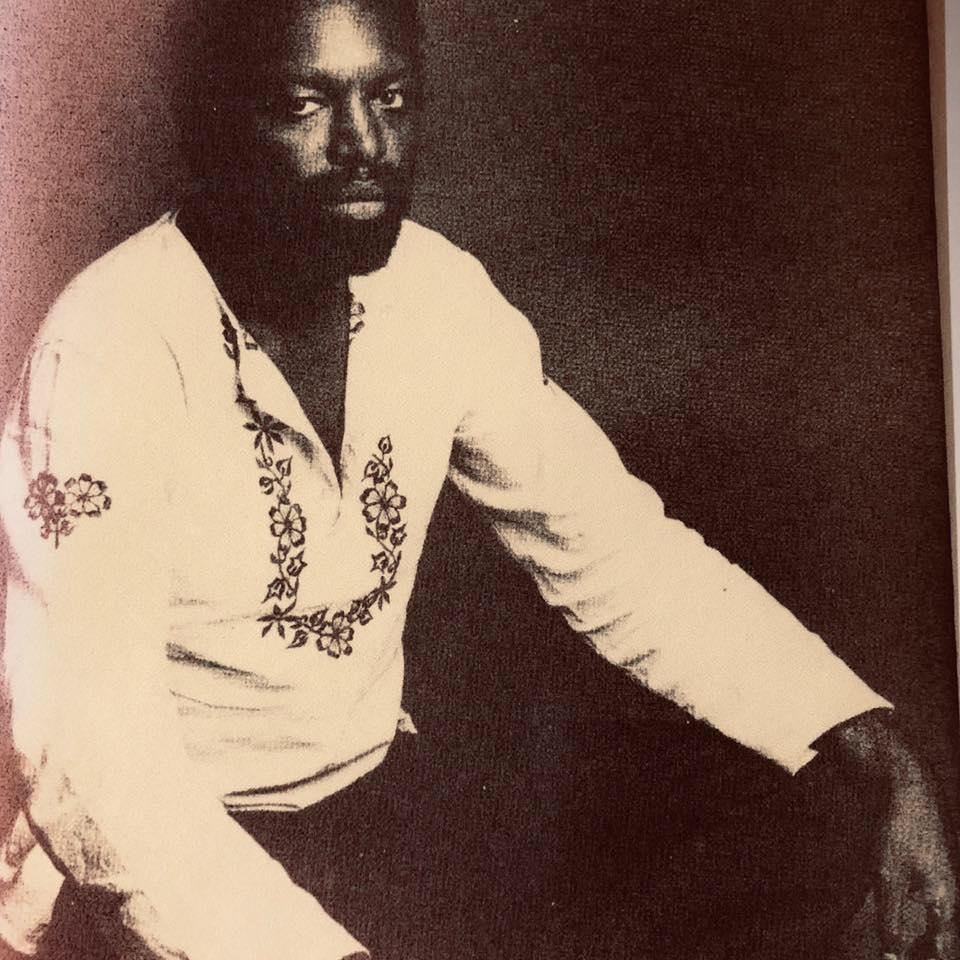
Junior Parker’s Spotify BioHis velvet-smooth vocal delivery to the contrary, Junior Parker was a product of the fertile postwar Memphis blues circuit whose wonderfully understated harp style was personally mentored by none other than regional icon Sonny Boy Williamson.
Herman Parker, Jr. only traveled in the best blues circles from the outset. He learned his initial licks from Williamson and gigged with the mighty Howlin' Wolf while still in his teens. Like so many young blues artists, Little Junior (as he was known then) got his first recording opportunity from talent scout Ike Turner, who brought him to Modern Records for his debut session as a leader in 1952. It produced the lone single "You're My Angel," with Turner pounding the 88s and Matt Murphy deftly handling guitar duties.
Parker and his band, the Blue Flames (including Floyd Murphy, Matt's brother, on guitar), landed at Sun Records in 1953 and promptly scored a hit with their rollicking "Feelin' Good" (something of a Memphis response to John Lee Hooker'…s primitive boogies). Later that year, Little Junior cut a fiery "Love My Baby" and a laid-back "Mystery Train" for Sun, thus contributing a pair of future rockabilly standards to the Sun publishing coffers (Hayden Thompson revived the former, Elvis Presley the latter).
Before 1953 was through, the polished Junior Parker had moved on to Don Robey's Duke imprint in Houston. It took a while for the harpist to regain his hitmaking momentum, but he scored big in 1957 with the smooth "Next Time You See Me," an accessible enough number to even garner some pop spins.
Criss-crossing the country as headliner with the Blues Consolidated package (his support act was labelmate Bobby Bland), Parker developed a breathtaking brass-powered sound (usually the work of trumpeter/Duke-house-bandleader Joe Scott) that pushed his honeyed vocals and intermittent harp solos with exceptional power. Parker's updated remake of Roosevelt Sykes's "Driving Wheel" was a huge R&B hit in 1961, as was the surging "In the Dark" (the R&B dance workout "Annie Get Your Yo-Yo" followed suit the next year).
Parker was exceptionally versatile -- whether delivering "Mother-in-Law Blues" and "Sweet Home Chicago" in faithful down-home fashion, courting the teenage market with "Barefoot Rock," or tastefully howling Harold Burrage's "Crying for My Baby" (another hit for him in 1965) in front of a punchy horn section, Parker was the consummate modern blues artist, with one foot planted in Southern blues and the other in uptown R&B.
Once Parker split from Robey's employ in 1966, though, his hitmaking fortunes declined. His 1966-1968 output for Mercury and its Blue Rock subsidiary deserved a better reception than it got, but toward the end, he was covering the Beatles ("Taxman" and "Lady Madonna," for God's sake!) for Capitol. A brain tumor tragically silenced Junior Parker's magic-carpet voice in late 1971 before he reached his 40th birthday. In 2001, he was inducted into the Blues Hall of Fame. ~ Bill Dahl, Rovi
Viberate is a music analytics platform built for A&Rs, artist managers, labels, booking agents, marketers, and artists.
It helps music professionals track artist growth, analyze audience data, monitor playlist activity, compare artists, follow song performance, and identify opportunities across the music market.
Public artist pages provide a free preview of selected artist data. Paid plans provide access to deeper analytics, historical data, charts, comparisons, playlist tools, exports, alerts, reports, and additional professional features.
Yes. Public Viberate artist pages provide selected artist analytics and music data for free.
Viberate also offers a 7-day free trial of the full platform. A credit card is required to start the trial. The trial includes access to the complete product so users can test deeper artist analytics, historical views, playlist insights, comparisons, charts, exports, alerts, and reporting features before choosing a paid plan.
Viberate provides artist analytics across streaming, playlists, social media, video, radio airplay, songs, and audience markets.
Users can analyze Spotify performance, Spotify and Apple Music playlists, YouTube activity, TikTok and Instagram growth, radio spins, song performance, audience locations, demographics, rankings, and overall artist momentum.
Artist profiles also connect to music charts, similar artists, and comparison tools, helping users benchmark performance and evaluate artists in context.
Viberate updates key artist and track data daily.
For followed artists and tracks, selected data is refreshed multiple times per day. This helps teams monitor playlist changes, streaming movement, audience growth, releases, and campaign performance with more current data.
Update frequency can vary depending on the metric and data source.
Yes. Viberate lets users compare up to five artists side by side across streaming, social media, audience, and engagement metrics.
Users can compare fanbase growth, audience demographics, locations, Spotify performance, social metrics, and other artist data over selected time periods.
Artist comparison can be used for A&R scouting, benchmarking, booking decisions, campaign planning, and evaluating artists with similar audiences or market positions.