Julie Driscoll

Jazz
Avant-garde Jazz
Jazz Fusion
Pop Rock
 Viberate Rank: 228091
 Viberate Rank: 228091
 Monthly ListenersFollowers
 Subscribers
 Followers
 Followers
 FansTop Spotify Songs
| Track | 7-Day Streams | |
|---|---|---|
1 | 4.44K | |
2 | 4.30K | |
3 | 2.27K | |
4 | 912 | |
5 | 903 |
Top YouTube VideosMonthly ListenersFeatured in Playlists| Playlist | Followers | |
|---|---|---|
1 |  Tour of Duty - The Playlist Micha Bessems | 32.52K |
2 |  Warp Selections – A Weekly Mixtape Warp Records | 24.88K |
3 |  Soulful Funky Hidden Gems Danca | 24.52K |
4 |  the L word Soundtrack (Season 1-6) val_toriello | 19.85K |
5 | Jaren 60 en 70 teuntje60 | 17.65K |
Audience| City | Monthly Listeners | |
|---|---|---|
1 | | 251 |
2 |  | 184 |
3 |  | 158 |
4 |  | 148 |
5 | | 125 |
See full performance history, audience data, playlist activity, rankings, comparisons, and more in Viberate music analytics. Start with a free trial, then continue with a paid plan.
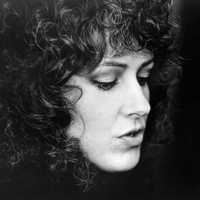
Julie Driscoll’s Spotify BioSixties pop diva-turned-avant jazz singer Julie Driscoll was born June 8, 1947 in London. As a teen she oversaw the Yardbirds' fan club, and it was the group's manager and producer Giorgio Gomelsky who encouraged her to begin a performing career of her own. In 1963 she issued her debut pop single "Take Me by the Hand," two years later joining the short-lived R&B combo Steampacket alongside Rod Stewart, Long John Baldry and organist Brian Auger. After Steampacket dissolved, Driscoll signed on with the Brian Auger Trinity, scoring a Top Five UK hit in 1968 with their rendition of Bob Dylan's "This Wheel's on Fire." Dubbed "The Face" by the British music press, Driscoll's striking looks and coolly sophisticated vocals earned her flavor of the month status, and she soon left Auger for a solo career. Her debut solo album 1969 heralded a significant shift away from pop, however, enlisting members of the Soft Machine and Blossom Toes to pursue a progressive jazz direction. Also contributing… to the record was pianist Keith Tippett, whose avant garde ensembles Centipede and Ovary Lodge Driscoll soon joined. She and Tippett were later married, and she took her new husband's name, also recording as Julie Tippetts. With her 1974 solo masterpiece Sunset Glow, she further explored improvisational vocal techniques in settings ranging from folk to free jazz. Two years later, Tippett joined with Maggie Nicols, Phil Minton and Brian Ely to form the experimental vocal quartet Voice, and in 1978 also collaborated with Nicols on the duo album Sweet and s'Ours. A decade later, she and Keith released Couple in Spirit, and in 1991 Tippett teamed with over a dozen instrumentalists from Britain and the former Soviet Georgia in the Mujician/Georgian Ensemble. The following year, she re-recorded "This Wheel's on Fire" as the theme to the smash BBC comedy Absolutely Fabulous. ~ Jason Ankeny, Rovi
Viberate is a music analytics platform built for A&Rs, artist managers, labels, booking agents, marketers, and artists.
It helps music professionals track artist growth, analyze audience data, monitor playlist activity, compare artists, follow song performance, and identify opportunities across the music market.
Public artist pages provide a free preview of selected artist data. Paid plans provide access to deeper analytics, historical data, charts, comparisons, playlist tools, exports, alerts, reports, and additional professional features.
Yes. Public Viberate artist pages provide selected artist analytics and music data for free.
Viberate also offers a 7-day free trial of the full platform. A credit card is required to start the trial. The trial includes access to the complete product so users can test deeper artist analytics, historical views, playlist insights, comparisons, charts, exports, alerts, and reporting features before choosing a paid plan.
Viberate provides artist analytics across streaming, playlists, social media, video, radio airplay, songs, and audience markets.
Users can analyze Spotify performance, Spotify and Apple Music playlists, YouTube activity, TikTok and Instagram growth, radio spins, song performance, audience locations, demographics, rankings, and overall artist momentum.
Artist profiles also connect to music charts, similar artists, and comparison tools, helping users benchmark performance and evaluate artists in context.
Viberate updates key artist and track data daily.
For followed artists and tracks, selected data is refreshed multiple times per day. This helps teams monitor playlist changes, streaming movement, audience growth, releases, and campaign performance with more current data.
Update frequency can vary depending on the metric and data source.
Yes. Viberate lets users compare up to five artists side by side across streaming, social media, audience, and engagement metrics.
Users can compare fanbase growth, audience demographics, locations, Spotify performance, social metrics, and other artist data over selected time periods.
Artist comparison can be used for A&R scouting, benchmarking, booking decisions, campaign planning, and evaluating artists with similar audiences or market positions.