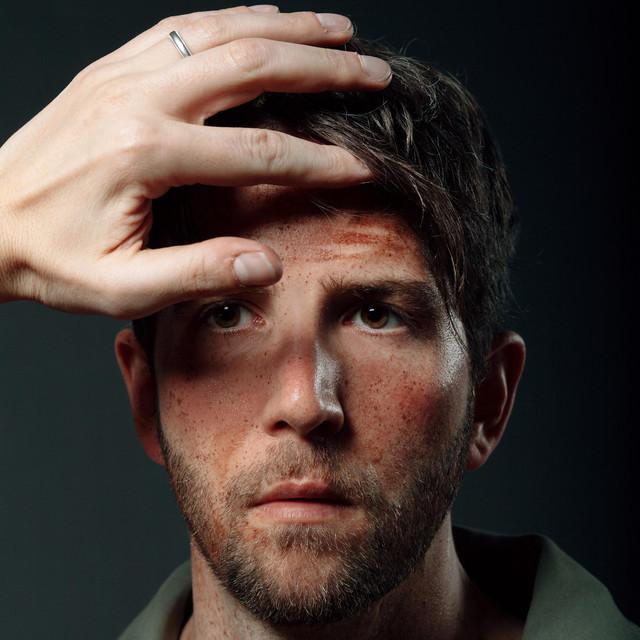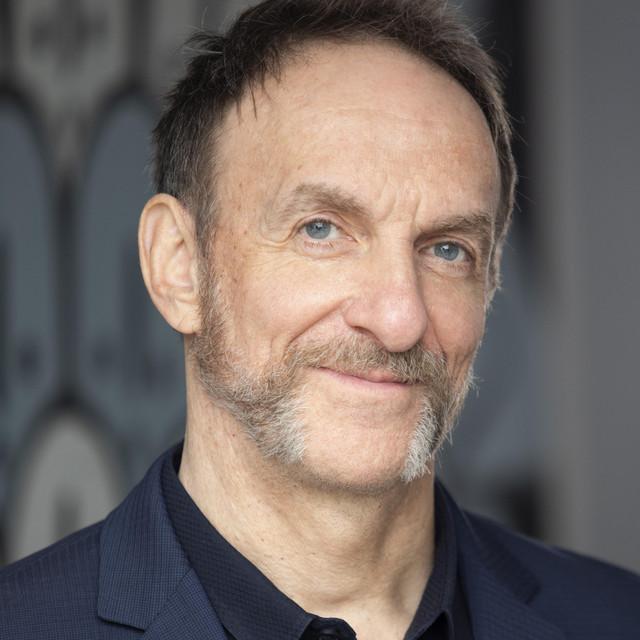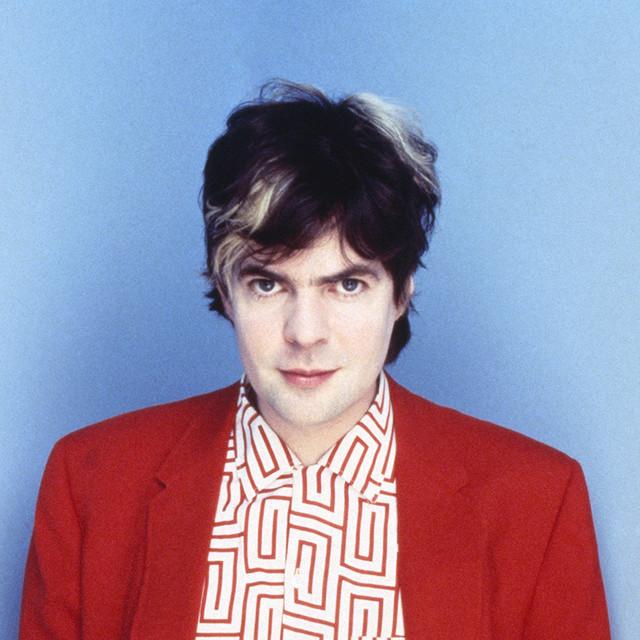
Jon Brion

Classical
Classical Crossover
Indie Pop
 Viberate Rank: 67689
 Viberate Rank: 67689
 Monthly ListenersFollowers
 Subscribers
 Followers
 Followers
 FansTop Spotify Songs
| Track | 7-Day Streams | |
|---|---|---|
1 | 78.55K | |
2 | 68.03K | |
3 | 60.80K | |
4 | 32.22K | |
5 | 22.46K |
Top YouTube VideosMonthly ListenersFeatured in Playlists| Playlist | Followers | |
|---|---|---|
1 |  Iconic Soundtracks Spotify | 1.37M |
2 |  *ೃ༄ autumn🍂☕️🕯️ Eve ★ | 435.44K |
3 |  Reading Adventure Spotify | 431.42K |
4 |  book reading playlist Berggrensterner | 393.57K |
5 |  Book Reading Music📖📚 No Lyrics Happy Vibes | 129.02K |
Audience| City | Monthly Listeners | |
|---|---|---|
1 | | 9.53K |
2 |  | 9.46K |
3 | | 8.55K |
4 | | 7.66K |
5 |  | 5.94K |
See full performance history, audience data, playlist activity, rankings, comparisons, and more in Viberate music analytics. Start with a free trial, then continue with a paid plan.
Jon Brion’s Spotify BioProducer, songwriter, and multi-instrumentalist Jon Brion grew up in a musical family: his father was director of the Yale concert and marching bands, his mother sang in jazz bands, and his siblings, Randy (a conductor/arranger in L.A.) and Laurie (a violinist), were both avid music students. Young Jon didn't deal with instruction or practice well, but his natural affinity for improvisation and melody more than made up for his impatience. Unwilling to conform to the conventional school system, Brion attended special education class at Hamden High School in New Haven, CT, and the day he turned 17, he left school for good. Moving to Boston in 1987, the young musician formed many bonds that he would keep long into his professional career, including producer Mike Denneen (owner of Q Division, Boston's premier studio and record label) and 'Til Tuesday vocalist Aimee Mann. Also while there, Brion tuned his improvisational musical abilities: "I used to watch TV with an unplugged electric… guitar, on the couch, and commercials would come on and I'd try to play along. It was one of the prime things I concerned myself with for several years, getting to the point where if I heard it, I could play it. Then I started working on getting my brain to do multiple things at once. And having my hands translate them." This proficiency led to increasingly frequent studio work on the West Coast, eventually resulting in his move to L.A. While in California, he and Jellyfish guitarist Jason Falkner formed the Grays, an underground superstar group which released the 1994 album Ro Sham Bo, before quickly fading as the other members (Falkner, Dan McCarroll, and Buddy Judge) went on to individual musical success. Throughout the '90s, Brion found himself increasingly in demand in the studio, producing and collaborating on albums by Aimee Mann, Fiona Apple, Rufus Wainwright, David Byrne, and the Eels and soundtracks including the Grammy-nominated Magnolia.
In addition to his prolific studio work, he also has held a long-term position as "the house band" Friday nights at the high-profile Hollywood nightclub Largo. At his live shows, the crowd can expect anything from guest appearances by Aimee Mann, Michael Stipe, Elvis Costello, T-Bone Burnett, or Grant Lee Phillips, and Brion is infamous for making up songs on the spot (often from titles shouted from the audience). He also is beloved for his quirky cover versions of songs by Cheap Trick, the Beatles, and Cole Porter, proudly likening his on-stage antics to "spraying musical Raid on the classics, until each dying song flips on its back and wiggles its little musical legs in surrender." Whatever music he was involved in, his eclectic touch undeniably shaped the sound of many progressive alternative musicians throughout the '90s.
Viberate is a music analytics platform built for A&Rs, artist managers, labels, booking agents, marketers, and artists.
It helps music professionals track artist growth, analyze audience data, monitor playlist activity, compare artists, follow song performance, and identify opportunities across the music market.
Public artist pages provide a free preview of selected artist data. Paid plans provide access to deeper analytics, historical data, charts, comparisons, playlist tools, exports, alerts, reports, and additional professional features.
Yes. Public Viberate artist pages provide selected artist analytics and music data for free.
Viberate also offers a 7-day free trial of the full platform. A credit card is required to start the trial. The trial includes access to the complete product so users can test deeper artist analytics, historical views, playlist insights, comparisons, charts, exports, alerts, and reporting features before choosing a paid plan.
Viberate provides artist analytics across streaming, playlists, social media, video, radio airplay, songs, and audience markets.
Users can analyze Spotify performance, Spotify and Apple Music playlists, YouTube activity, TikTok and Instagram growth, radio spins, song performance, audience locations, demographics, rankings, and overall artist momentum.
Artist profiles also connect to music charts, similar artists, and comparison tools, helping users benchmark performance and evaluate artists in context.
Viberate updates key artist and track data daily.
For followed artists and tracks, selected data is refreshed multiple times per day. This helps teams monitor playlist changes, streaming movement, audience growth, releases, and campaign performance with more current data.
Update frequency can vary depending on the metric and data source.
Yes. Viberate lets users compare up to five artists side by side across streaming, social media, audience, and engagement metrics.
Users can compare fanbase growth, audience demographics, locations, Spotify performance, social metrics, and other artist data over selected time periods.
Artist comparison can be used for A&R scouting, benchmarking, booking decisions, campaign planning, and evaluating artists with similar audiences or market positions.