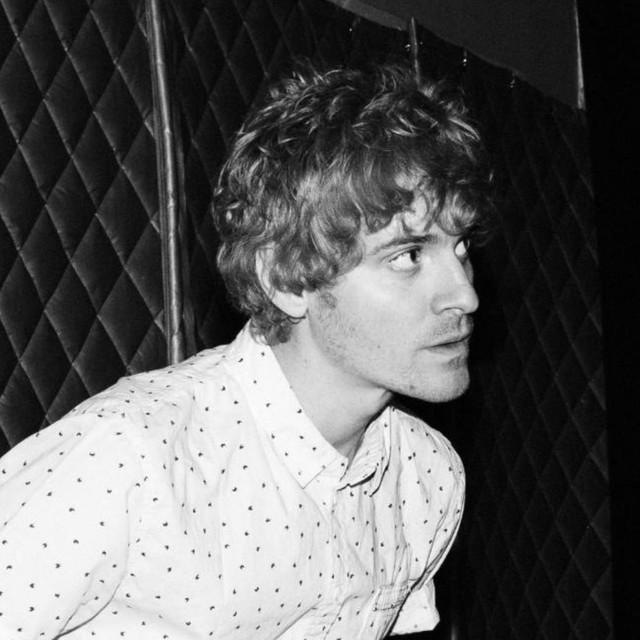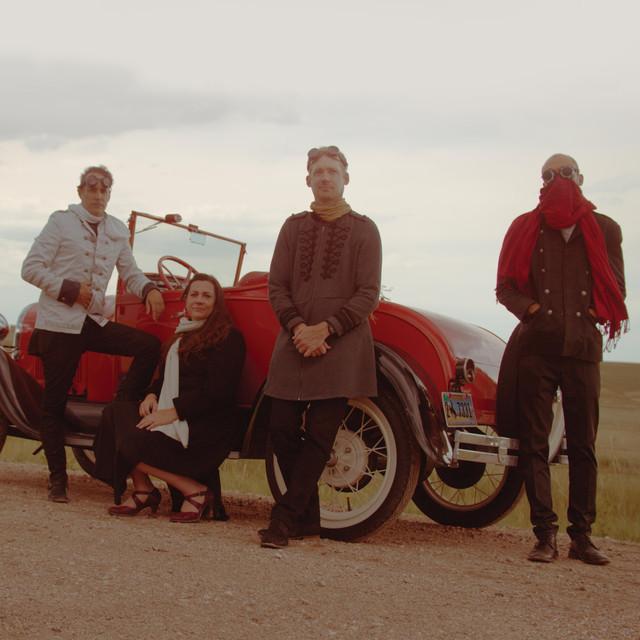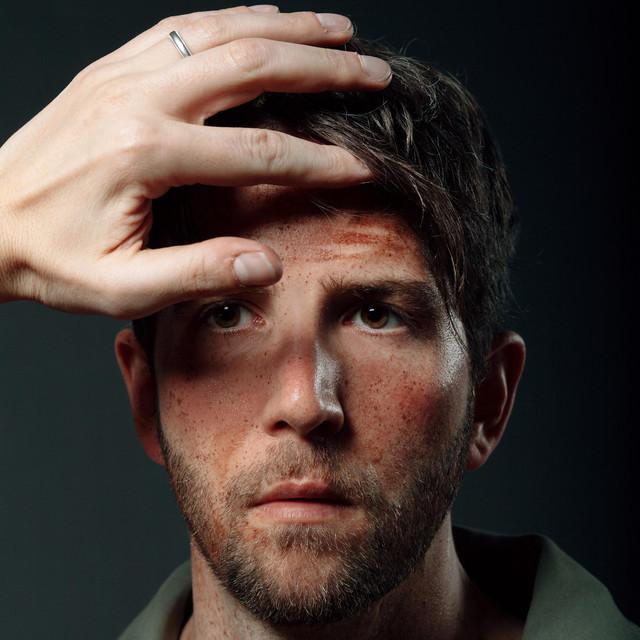
Owen Pallett

Classical
Classical Crossover
Chamber Music
Indie Pop
 Viberate Rank: 33688
 Viberate Rank: 33688
 Monthly ListenersFollowers
 Subscribers
 Followers
 Followers
 FansTop Spotify Songs
| Track | 7-Day Streams | |
|---|---|---|
1 | 652.41K | |
2 | 339.98K | |
3 | 47.22K | |
4 | 17.54K | |
5 | 14.41K |
Top YouTube VideosMonthly ListenersFeatured in Playlists| Playlist | Followers | |
|---|---|---|
1 |  Atmospheric Sci-fi Soundtracks Spotify | 760.71K |
2 |  yearning Spotify | 663.13K |
3 |  royalcore Spotify | 550.60K |
4 |  sonder Spotify | 238.72K |
5 |  This Is Arcade Fire Spotify | 203.12K |
Audience| City | Monthly Listeners | |
|---|---|---|
1 |  | 19.71K |
2 |  | 15.10K |
3 |  | 15.00K |
4 | | 14.21K |
5 | | 13.21K |
See full performance history, audience data, playlist activity, rankings, comparisons, and more in Viberate music analytics. Start with a free trial, then continue with a paid plan.
Owen Pallett’s Spotify BioOwen Pallett is a singer, composer, violinist, producer, and arranger from Toronto. Since entering the city's indie music scene in 2002 as a member of the Hidden Cameras and the trio Les Mouches, Pallett collaborated with a multitude of indie artists including Jim Guthrie, the National, and Arcade Fire. In addition to touring in various string sections in the mid-2000s, he was an active composer, writing arrangements for Arcade Fire's groundbreaking Funeral, Neon Bible, and The Suburbs along with albums for Fucked Up, Beirut, and the Last Shadow Puppets. Between 2005 and 2009, Pallett recorded two albums as Final Fantasy, 2005's Has a Good Home and 2006's He Poos Clouds. The second won the inaugural Polaris Prize. After spending the next four years writing, arranging, and doing session work for dozens of other musicians, Pallett issued Heartland under his own name in 2010. In 2013, he and Arcade Fire collaborated in composing a score and recording the soundtracks for director Spike… Jonze sci-fi romance Her. Pallett followed with In Conflict for Domino in 2014. He stayed busy for five years with commissions, session work, composing, and arranging for artists including Charlotte Gainsbourg and Titus Andronicus, and returned to his own recording with Island in 2021.
Born Michael James Owen Pallett-Plowright in Mississauga, Ontario, he began playing violin at age three. A decade later, deeply under the influence of Bela Bartok and Dmitri Shostakovich, he began writing music for one of his brother's video games. Pallett composed his first opera while in high school and was a constant presence in musical settings whether playing in local bands, classical ensembles, or performing solo violin shows.
Pallett attended the University of Toronto and graduated with a bachelors degree in music composition. He joined the Hidden Cameras in 2002 and gigged with several other bands as well. In 2004 and 2005, he served as a programmer and violinist for Stuart McLean's "The Vinyl Café" radio program on CBC. In tribute to the Japanese video game, Pallett chose Final Fantasy as his performing nom de plume. He developed an original meld of avant-garde and orchestral pop, and a live reputation for unpredictability and hypnotic intensity. Despite being the go-to violinist for Arcade Fire and other artists, as well as an avid remixer, Pallett's primary focus remained his own work. In 2005, he released Has a Good Home under the Final Fantasy moniker, which gained positive attention globally. 2006's He Poos Clouds won Canada's first-ever Polaris Prize as the year's defining Canadian album.
In 2009, concerned about confusion with and litigation from Square Enix, the publisher of the popular Final Fantasy video game series of the same name, Pallett announced that he would be dropping the Final Fantasy moniker. The following year he released Heartland under his own name. Recorded in Reykjavik, Iceland, it was mixed in New York by Rusty Santos (Animal Collective, Panda Bear) and earned Pallett another Polaris nomination. The EP A Swedish Love Story appeared three months later.
In 2013, Pallett and Arcade Fire were commissioned to score and record the soundtrack to writer/director Spike Jonze's "sci-fi romance" Her. Though it initially appeared in a very limited vinyl run, it did see wide release nearly a decade later.
In 2014, after fulfilling touring commitments with Arcade Fire, Pallett issued the solo In Conflict for Domino with contributions from Brian Eno. After a global tour, he resumed his busy studio schedule. He worked with Jennifer Castle on Pink City that year, the Last Shadow Puppets' Everything You've Come to Expect in 2015, and on Charlotte Gainsbourg's Rest in 2016, to name a scant few. In 2017 he contributed arrangements, strings, and piano to Arcade Fire's Everything Now. Two years later he produced and played on Mountain Goats' double-length In League with Dragons.
In May 2020, Pallett released the album Island digitally. It was an almost entirely acoustic live-in-studio collaboration with the London Contemporary Orchestra at Abbey Road. A carefully scripted song cycle, it reached all the way back to 2010's Heartland for its protagonist, "Lewis," a "young, ultra-violent farmer” from the fictional 14th century land of Spectrum. The album centered on the protagonist's unexplained rage at a god named "Owen Pallett." The set was released physically in February of 2021, followed by the wide release of the Arcade Fire/Pallett soundtrack for Her in May. ~ Jason Lymangrover & Thom Jurek, Rovi
Viberate is a music analytics platform built for A&Rs, artist managers, labels, booking agents, marketers, and artists.
It helps music professionals track artist growth, analyze audience data, monitor playlist activity, compare artists, follow song performance, and identify opportunities across the music market.
Public artist pages provide a free preview of selected artist data. Paid plans provide access to deeper analytics, historical data, charts, comparisons, playlist tools, exports, alerts, reports, and additional professional features.
Yes. Public Viberate artist pages provide selected artist analytics and music data for free.
Viberate also offers a 7-day free trial of the full platform. A credit card is required to start the trial. The trial includes access to the complete product so users can test deeper artist analytics, historical views, playlist insights, comparisons, charts, exports, alerts, and reporting features before choosing a paid plan.
Viberate provides artist analytics across streaming, playlists, social media, video, radio airplay, songs, and audience markets.
Users can analyze Spotify performance, Spotify and Apple Music playlists, YouTube activity, TikTok and Instagram growth, radio spins, song performance, audience locations, demographics, rankings, and overall artist momentum.
Artist profiles also connect to music charts, similar artists, and comparison tools, helping users benchmark performance and evaluate artists in context.
Viberate updates key artist and track data daily.
For followed artists and tracks, selected data is refreshed multiple times per day. This helps teams monitor playlist changes, streaming movement, audience growth, releases, and campaign performance with more current data.
Update frequency can vary depending on the metric and data source.
Yes. Viberate lets users compare up to five artists side by side across streaming, social media, audience, and engagement metrics.
Users can compare fanbase growth, audience demographics, locations, Spotify performance, social metrics, and other artist data over selected time periods.
Artist comparison can be used for A&R scouting, benchmarking, booking decisions, campaign planning, and evaluating artists with similar audiences or market positions.