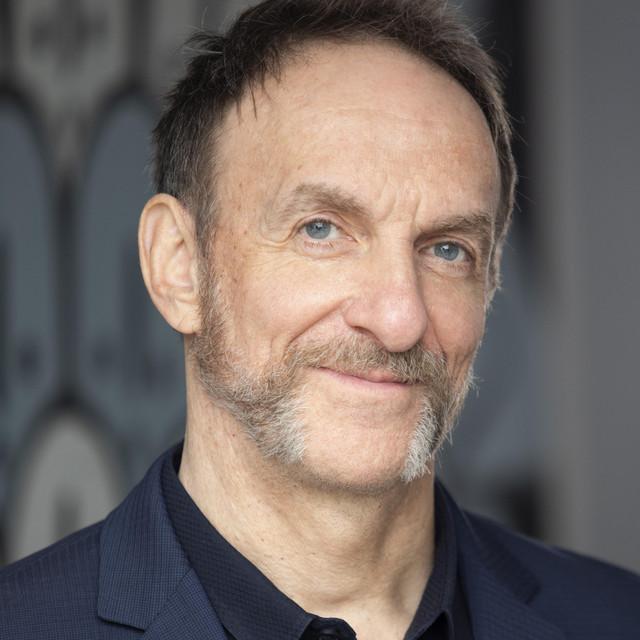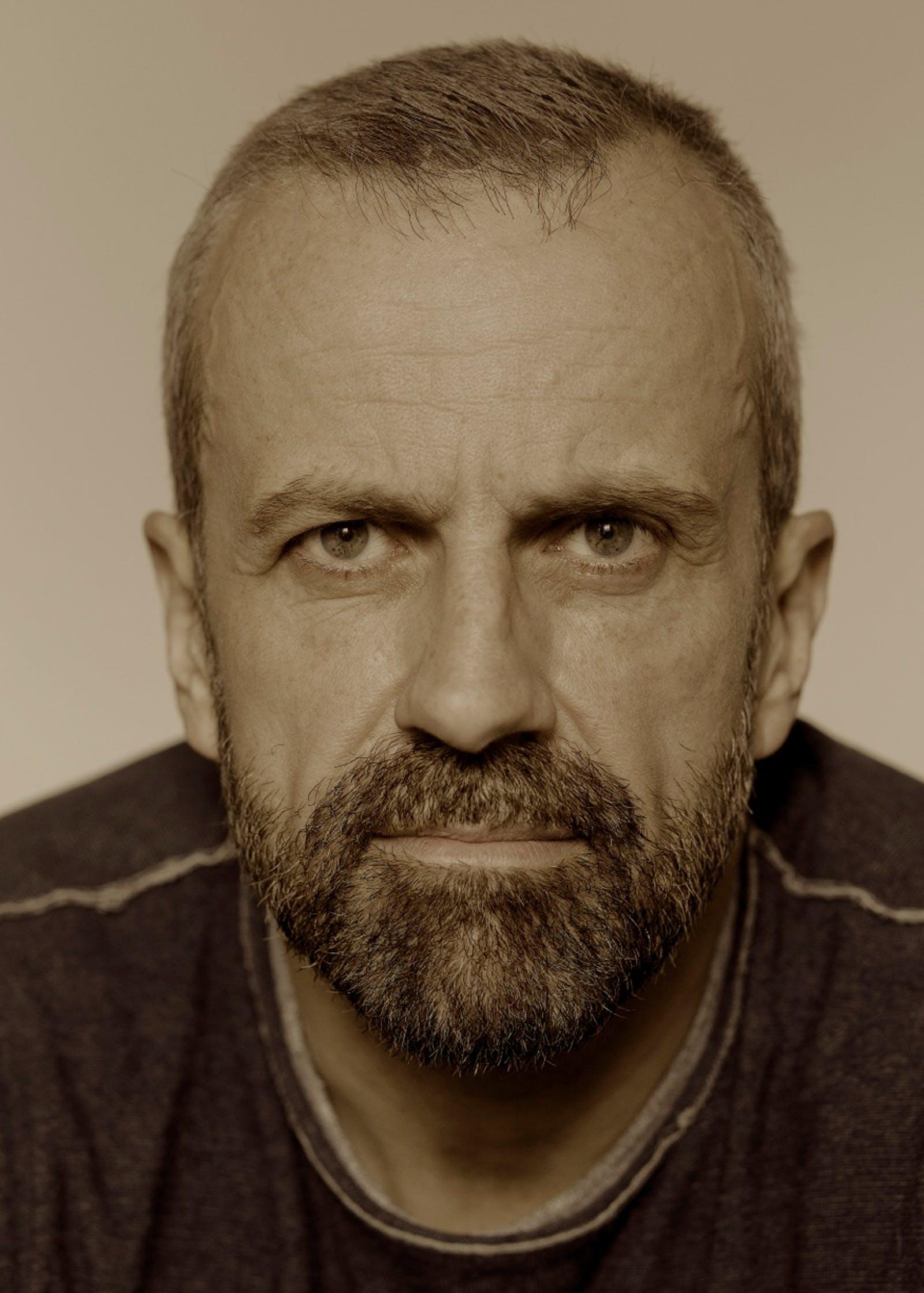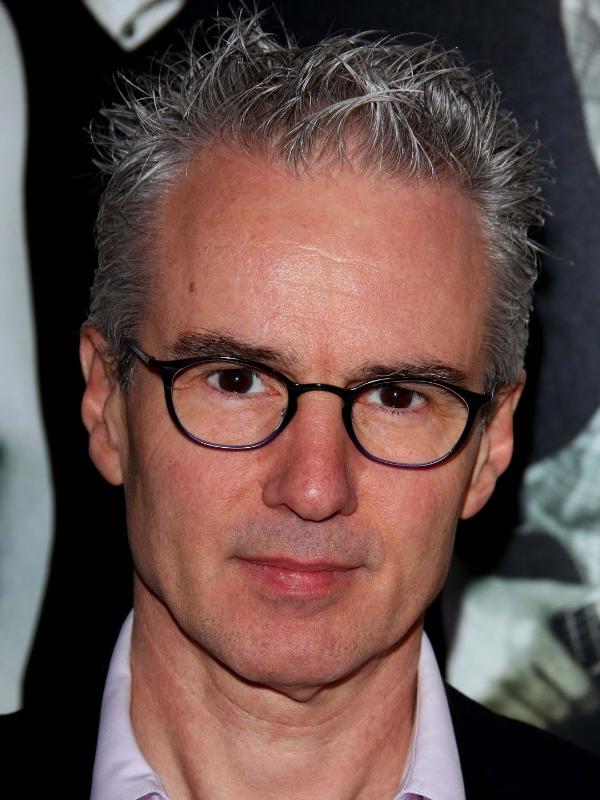
Michael Brook

Classical
Orchestral
Islamic Music
Other Electronic Music
 Viberate Rank: 97469
 Viberate Rank: 97469
 Monthly ListenersFollowers
 Subscribers
 Followers
 Followers
 FansTop Spotify Songs
| Track | 7-Day Streams | |
|---|---|---|
1 | 44.92K | |
2 | 33.84K | |
3 | 19.35K | |
4 | 12.77K | |
5 | 8.88K |
Top YouTube Videos| Video | 7-Day Views | |
|---|---|---|
1 | 188 | |
2 | 39 | |
3 | 15 | |
4 | 14 | |
5 | 8 |
Monthly ListenersFeatured in Playlists| Playlist | Followers | |
|---|---|---|
1 |  🗝️ IF U PLZ 🗝️ carolineplz | 63.72K |
2 |  Nusrat Fateh Ali Khan (Discography) Real World Records | 42.12K |
3 |  Ishq Aur Dard Ajnabi | 30.09K |
4 |  ALL QAWWALI NUSRAT FATEH ALI KHAN LX1 | 29.74K |
5 |  Somo Recommendation - Indie Songs, Hindi Indie Exon'n | 28.92K |
Audience| City | Monthly Listeners | |
|---|---|---|
1 |  | 10.51K |
2 |  | 9.07K |
3 | | 6.48K |
4 | | 5.60K |
5 | | 5.11K |
See full performance history, audience data, playlist activity, rankings, comparisons, and more in Viberate music analytics. Start with a free trial, then continue with a paid plan.
Michael Brook’s Spotify BioThe innovative guitarist and producer Michael Brook was born and raised in Toronto. While studying electronic music and the arts at the University of Toronto, he met trumpeter Jon Hassell, with whom he later toured; through Hassell, Brook also was introduced to minimalist composer LaMonte Young, under whom he studied Indian music. A period working as the house engineer at producer Daniel Lanois' famed Grant Avenue recording studio led to a tenure playing guitar with the Canadian pop band Martha & the Muffins during the late '70s; at the same time, Brook also met Brian Eno, guesting on the 1980 Eno/Hassell collaboration Fourth World, Vol. 1: Possible Musics. In 1983, he also played on Harold Budd's Magic Realism.
In 1985, Brook made his solo debut with Hybrid, an influential ethno-ambient work recorded with Eno that explored the middle ground between Western and Indian musical aesthetics and established his unique, heavily processed "infinite guitar" sound. He spent much of the remaining… decade working with Eno, helping create video sculptures and sound installations across the globe; he also became a sought-after producer, helming records for such diverse talents as Roger Eno, Pieter Nooten, Mary Margaret O'Hara, Balloon, and the Pogues. In 1990, Brook returned to world music, producing Youssou N'Dour's acclaimed Set; more importantly, he began a continuing collaboration with Pakistani qawaali singer Nusrat Fateh Ali Khan with the seminal Mustt Mustt, a fusion of Western ambient and pop sounds with the sacred spiritual music of the East.
After producing Khaled, a 1991 project for the Algerian rai vocalist Cheb Khaled, Brook returned to the studio to record his first solo effort in seven years, 1992's stellar Cobalt Blue. A rare concert performance given at a party celebrating the album's release was subsequently issued as the limited-edition Live at the Aquarium. A pair of projects with the Indian mandolin wizard U. Srinivas, 1994's Rama Sreemrama and the next year's Dream, followed; in 1996, Brook reunited with Ali Khan for Night Song, trailed by work on the score for the Kevin Spacey-directed crime noir Albino Alligator. ~ Jason Ankeny, Rovi
Viberate is a music analytics platform built for A&Rs, artist managers, labels, booking agents, marketers, and artists.
It helps music professionals track artist growth, analyze audience data, monitor playlist activity, compare artists, follow song performance, and identify opportunities across the music market.
Public artist pages provide a free preview of selected artist data. Paid plans provide access to deeper analytics, historical data, charts, comparisons, playlist tools, exports, alerts, reports, and additional professional features.
Yes. Public Viberate artist pages provide selected artist analytics and music data for free.
Viberate also offers a 7-day free trial of the full platform. A credit card is required to start the trial. The trial includes access to the complete product so users can test deeper artist analytics, historical views, playlist insights, comparisons, charts, exports, alerts, and reporting features before choosing a paid plan.
Viberate provides artist analytics across streaming, playlists, social media, video, radio airplay, songs, and audience markets.
Users can analyze Spotify performance, Spotify and Apple Music playlists, YouTube activity, TikTok and Instagram growth, radio spins, song performance, audience locations, demographics, rankings, and overall artist momentum.
Artist profiles also connect to music charts, similar artists, and comparison tools, helping users benchmark performance and evaluate artists in context.
Viberate updates key artist and track data daily.
For followed artists and tracks, selected data is refreshed multiple times per day. This helps teams monitor playlist changes, streaming movement, audience growth, releases, and campaign performance with more current data.
Update frequency can vary depending on the metric and data source.
Yes. Viberate lets users compare up to five artists side by side across streaming, social media, audience, and engagement metrics.
Users can compare fanbase growth, audience demographics, locations, Spotify performance, social metrics, and other artist data over selected time periods.
Artist comparison can be used for A&R scouting, benchmarking, booking decisions, campaign planning, and evaluating artists with similar audiences or market positions.