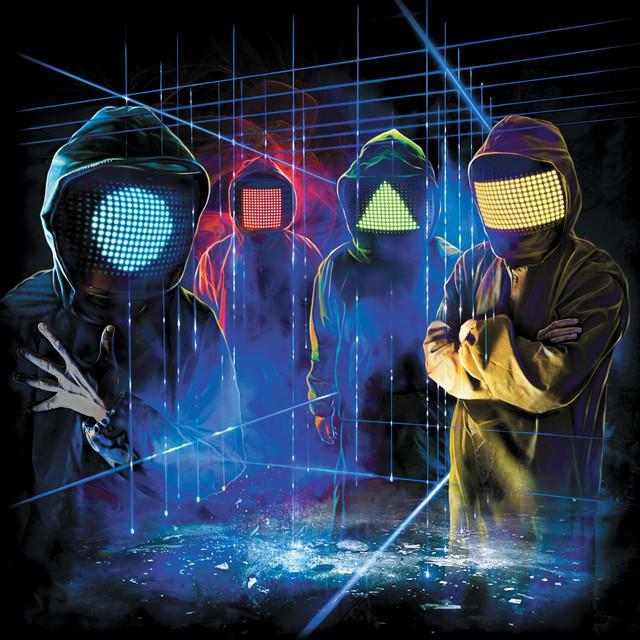
Jojo Mayer

Electronic
Drum & Bass
Nu Jazz
 Viberate Rank: 92303
 Viberate Rank: 92303
 Monthly ListenersFollowers
 Subscribers
 Followers
 Followers
 FansTop Spotify Songs
| Track | 7-Day Streams | |
|---|---|---|
1 | 888 | |
2 | 442 | |
3 | 323 | |
4 | 297 | |
5 | 292 |
Top YouTube VideosMonthly ListenersFeatured in Playlists| Playlist | Followers | |
|---|---|---|
1 | Burning Jazz-rock Fusion fusionprogguy | 8.92K |
2 |  Concentrate At Work sebvandenbrink | 8.45K |
3 | Jazz Fusion, Progressive Rock, & Jam Bands Curator Seedpicker | 7.16K |
4 |  mv.badass.mess mistermv | 6.75K |
5 |  Sevginin Gücü sezyum | 6.54K |
Audience| City | Monthly Listeners | |
|---|---|---|
1 |  | 56 |
2 |  | 54 |
3 |  | 52 |
4 |  | 50 |
5 |  | 46 |
See full performance history, audience data, playlist activity, rankings, comparisons, and more in Viberate music analytics. Start with a free trial, then continue with a paid plan.
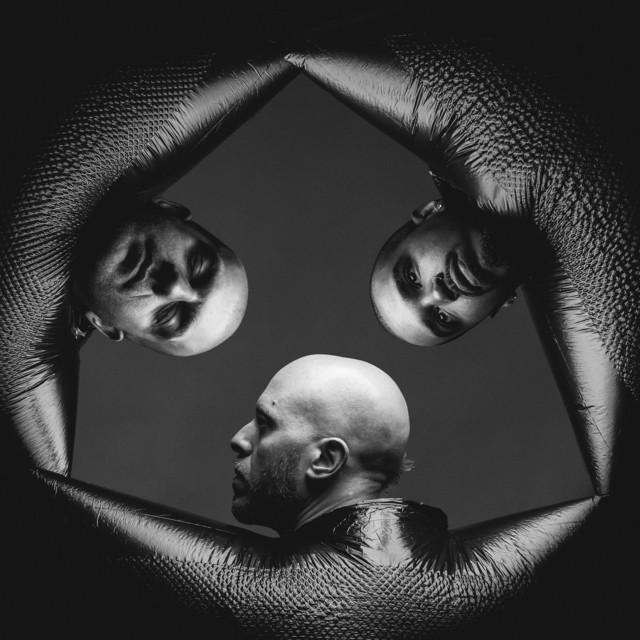
Jojo Mayer’s Spotify BioDrummer Jojo Mayer was born in Zurich, Switzerland, on January 18, 1963. His father was bass player Vali Mayer, who brought him on tour in Europe and eastern Asia during much of his early childhood. Naturally, the musical environment rubbed off on him; he received his first drum set at age two and made his performing debut in Hong Kong just a year later. At 18 years old, he joined pianist Monty Alexander's group, which afforded him the opportunity to play the most prestigious jazz festivals in Europe, and also led to backup gigs with the likes of Dizzy Gillespie and Nina Simone. He relocated to New York City in 1991, and over the next few years he played and recorded with more experimental projects like the Intergalactic Maiden Ballet, the Screaming Headless Torsos, and John Medeski (Lunar Crush, a collaboration with the Torsos' David Fiuczynski), among others. By the mid-'90s, he was also becoming a regular at drum clinics around North America and Europe. As he became more involved in… downtown New York's avant-garde scene, Mayer grew increasingly interested in experimental funk and electronica. He played with Me'Shell NdegéOcello, James Blood Ulmer, Jamaaladeen Tacuma, Vernon Reid, and DJ Spooky, in addition to his post-bop jazz commitments. He also founded Nerve, a project that integrated electronic beats with live drums and improvisation; Nerve performed at a weekly club event dubbed Prohibited Beatz, which also featured DJs spinning drum'n'bass, U.K. speed garage, and jazzy breakbeats. In the meantime, Mayer recorded with Olga Konkova, Domenico Ferrari, Harry Sokal, Sulfur, and electronica group Echo, among others. ~ Steve Huey, Rovi
Viberate is a music analytics platform built for A&Rs, artist managers, labels, booking agents, marketers, and artists.
It helps music professionals track artist growth, analyze audience data, monitor playlist activity, compare artists, follow song performance, and identify opportunities across the music market.
Public artist pages provide a free preview of selected artist data. Paid plans provide access to deeper analytics, historical data, charts, comparisons, playlist tools, exports, alerts, reports, and additional professional features.
Yes. Public Viberate artist pages provide selected artist analytics and music data for free.
Viberate also offers a 7-day free trial of the full platform. A credit card is required to start the trial. The trial includes access to the complete product so users can test deeper artist analytics, historical views, playlist insights, comparisons, charts, exports, alerts, and reporting features before choosing a paid plan.
Viberate provides artist analytics across streaming, playlists, social media, video, radio airplay, songs, and audience markets.
Users can analyze Spotify performance, Spotify and Apple Music playlists, YouTube activity, TikTok and Instagram growth, radio spins, song performance, audience locations, demographics, rankings, and overall artist momentum.
Artist profiles also connect to music charts, similar artists, and comparison tools, helping users benchmark performance and evaluate artists in context.
Viberate updates key artist and track data daily.
For followed artists and tracks, selected data is refreshed multiple times per day. This helps teams monitor playlist changes, streaming movement, audience growth, releases, and campaign performance with more current data.
Update frequency can vary depending on the metric and data source.
Yes. Viberate lets users compare up to five artists side by side across streaming, social media, audience, and engagement metrics.
Users can compare fanbase growth, audience demographics, locations, Spotify performance, social metrics, and other artist data over selected time periods.
Artist comparison can be used for A&R scouting, benchmarking, booking decisions, campaign planning, and evaluating artists with similar audiences or market positions.