Kneebody

Jazz
Jazz Fusion
Indie Rock
 Viberate Rank: 151648
 Viberate Rank: 151648
 Monthly ListenersFollowers
 Subscribers
 Followers
 Followers
 FansTop Spotify Songs
| Track | 7-Day Streams | |
|---|---|---|
1 | 319 | |
2 | 294 | |
3 | 289 | |
4 | 156 | |
5 | 156 |
Top YouTube VideosMonthly ListenersFeatured in Playlists| Playlist | Followers | |
|---|---|---|
1 |  Prog Jazz Spotify | 63.33K |
2 |  Quintuplet Swing shawncrowder | 18.75K |
3 | Burning Jazz-rock Fusion fusionprogguy | 8.92K |
4 |  Jamie Cullum's BBC Radio 2 Show jamiecullumofficial | 8.78K |
5 | Jazz Fusion, Progressive Rock, & Jam Bands Curator Seedpicker | 7.16K |
Audience| City | Monthly Listeners | |
|---|---|---|
1 | | 82 |
2 | | 77 |
3 | | 66 |
4 | | 57 |
5 |  | 52 |
See full performance history, audience data, playlist activity, rankings, comparisons, and more in Viberate music analytics. Start with a free trial, then continue with a paid plan.
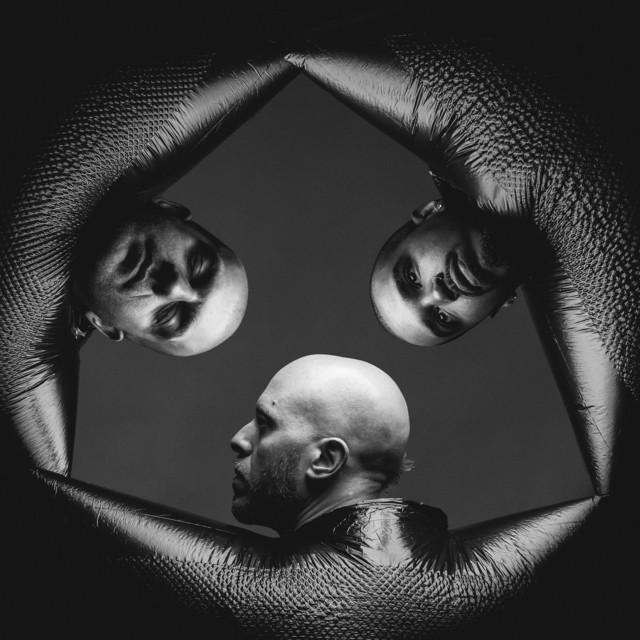
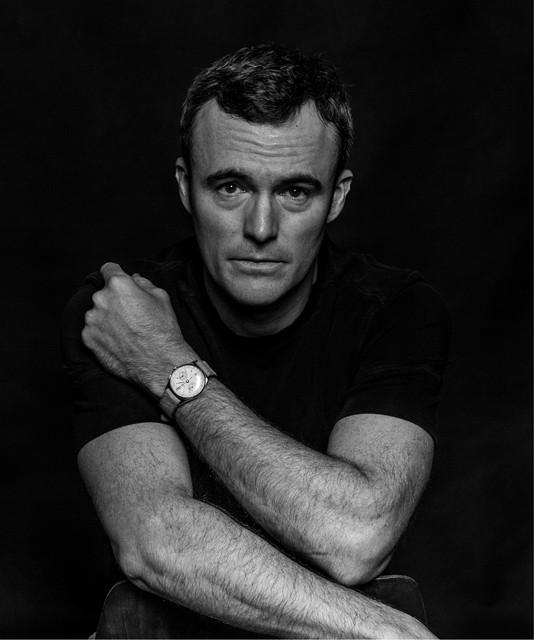
Kneebody’s Spotify BioExperimental ensemble Kneebody emerged in the early 2000s with a progressive, jazz-based sound that also touched upon rock, funk, and electronic-influenced music. Although each member of Kneebody is an adept jazz improviser, they often take a compositional, group-oriented approach to their music and albums. 2008's Low Electrical Worker, 2013's The Line, and 2017's Anti-Hero have found them drawing inspiration from '70s fusion artists, Krautrock innovators, and more contemporary post-rock bands.
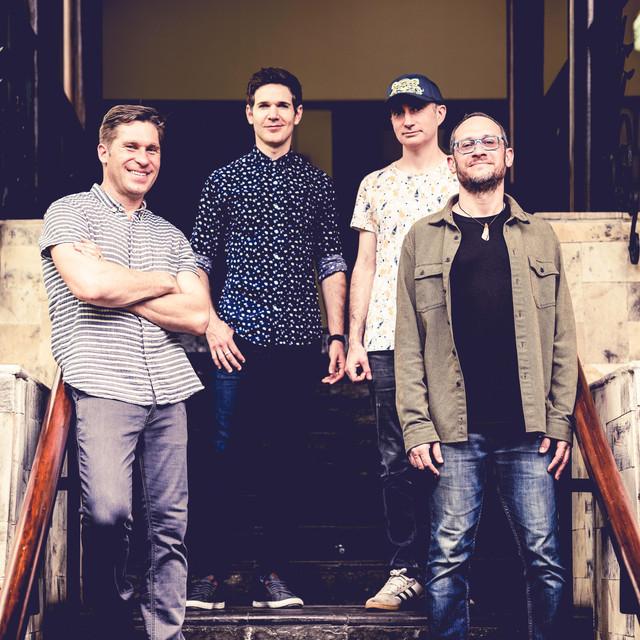
Formed in 2001, Kneebody originally featured keyboardist Adam Benjamin, trumpeter Shane Endsley, bassist/guitarist Kaveh Rastegar, saxophonist Ben Wendel, and drummer/bassist Nate Wood. Initially, Benjamin, Endsley, Rastegar, and Wendel met as students at the Eastman School of Music in the '90s. Benjamin eventually transferred to CalArts where he struck up a friendship with Wood. After college, the bandmates all relocated to Los Angeles where Kneebody came together. They released their debut… self-titled album on trumpeter Dave Douglas' Greenleaf label in 2005, drawing praise for their inventive instrumental sound. It was a style they further developed on 2008's Low Electrical Worker and 2009's Twelve Songs by Charles Ives, the latter of which was a collaboration with vocalist Theo Bleckmann that picked up a Grammy nomination for Best Classical Crossover Album.
You Can Have Your Moment arrived on the Winter & Winter label in 2010, followed by The Line on Concord in 2013. Two years later they teamed with left-field hip-hop and electronica producer Daedelus for the collaborative LP Kneedelus, a Brainfeeder release. Their ninth studio album, Anti-Hero, arrived on Motema in 2017. In 2019, they issued Chapters which featured guest contributions by Gretchen Parlato, Michael Mayo, Gerald Clayton, and others. ~ Matt Collar, Rovi
Viberate is a music analytics platform built for A&Rs, artist managers, labels, booking agents, marketers, and artists.
It helps music professionals track artist growth, analyze audience data, monitor playlist activity, compare artists, follow song performance, and identify opportunities across the music market.
Public artist pages provide a free preview of selected artist data. Paid plans provide access to deeper analytics, historical data, charts, comparisons, playlist tools, exports, alerts, reports, and additional professional features.
Yes. Public Viberate artist pages provide selected artist analytics and music data for free.
Viberate also offers a 7-day free trial of the full platform. A credit card is required to start the trial. The trial includes access to the complete product so users can test deeper artist analytics, historical views, playlist insights, comparisons, charts, exports, alerts, and reporting features before choosing a paid plan.
Viberate provides artist analytics across streaming, playlists, social media, video, radio airplay, songs, and audience markets.
Users can analyze Spotify performance, Spotify and Apple Music playlists, YouTube activity, TikTok and Instagram growth, radio spins, song performance, audience locations, demographics, rankings, and overall artist momentum.
Artist profiles also connect to music charts, similar artists, and comparison tools, helping users benchmark performance and evaluate artists in context.
Viberate updates key artist and track data daily.
For followed artists and tracks, selected data is refreshed multiple times per day. This helps teams monitor playlist changes, streaming movement, audience growth, releases, and campaign performance with more current data.
Update frequency can vary depending on the metric and data source.
Yes. Viberate lets users compare up to five artists side by side across streaming, social media, audience, and engagement metrics.
Users can compare fanbase growth, audience demographics, locations, Spotify performance, social metrics, and other artist data over selected time periods.
Artist comparison can be used for A&R scouting, benchmarking, booking decisions, campaign planning, and evaluating artists with similar audiences or market positions.