Shobaleader One

Electronic
Other Electronic Music
 Viberate Rank: 279075
 Viberate Rank: 279075
 Monthly ListenersFollowers
 Subscribers
 Followers
 Followers
 FansTop Spotify Songs
| Track | 7-Day Streams | |
|---|---|---|
1 | 702 | |
2 | 545 | |
3 | 344 | |
4 | 139 | |
5 | 132 |
Top YouTube Videos| Video | 7-Day Views | |
|---|---|---|
1 | 230 | |
2 | 101 |
Monthly ListenersFeatured in Playlists| Playlist | Followers | |
|---|---|---|
1 |  The Lumineers Inspiration The Lumineers | 42.57K |
2 |  Warp Records andy_phology | 16.73K |
3 | Japanese Acid Jazz Tom Reno | 11.04K |
4 |  Electronic, Beats and Jazzy Stuff yaydevally | 9.09K |
5 | Burning Jazz-rock Fusion fusionprogguy | 8.92K |
Audience| City | Monthly Listeners | |
|---|---|---|
1 | | 87 |
2 |  | 63 |
3 |  | 53 |
4 | | 52 |
5 | | 48 |
See full performance history, audience data, playlist activity, rankings, comparisons, and more in Viberate music analytics. Start with a free trial, then continue with a paid plan.
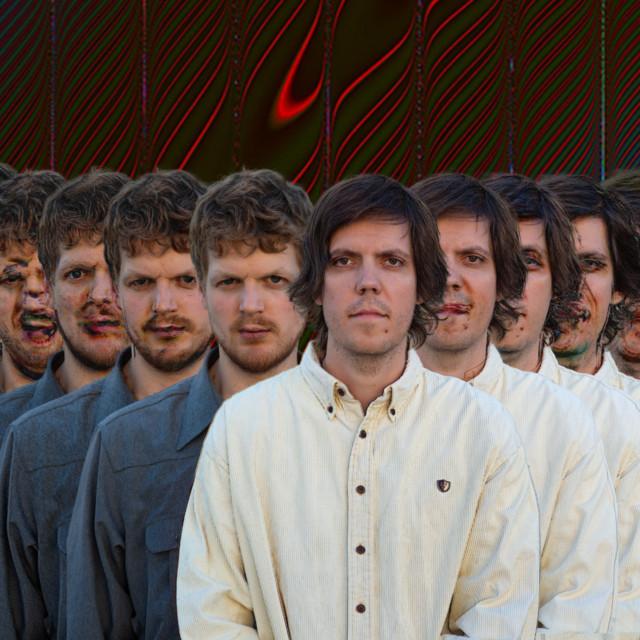
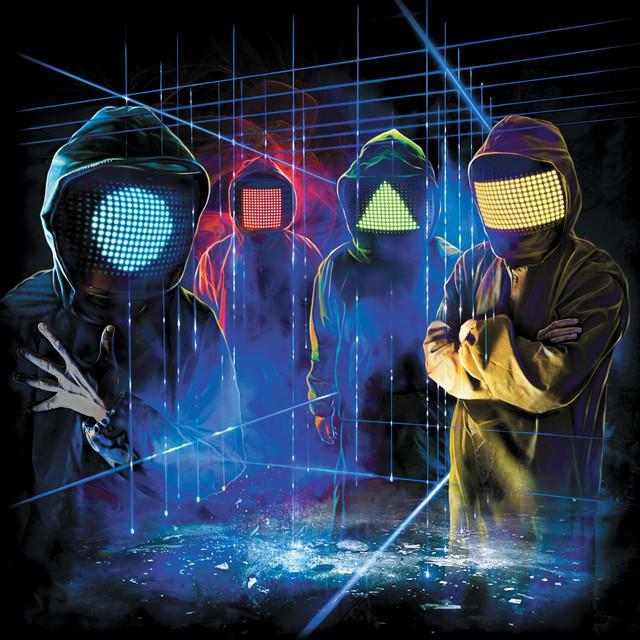
Shobaleader One’s Spotify BioShobaleader One is an enigmatic, masked band led by IDM legend Squarepusher (Tom Jenkinson). The group formed in 2009, and originally consisted of Jenkinson (bass/vocals) along with individuals only referred to as Strobe Nazard (keyboards), Sten t'Mech (guitar), Arg Nution (guitar), and Company Laser (drums). The band's first release was "Cryptic Motion," a swinging electro-funk single which surprisingly arrived on French label Ed Banger in September of 2010, backed with a remix by Mr. Oizo. A month later, Squarepusher's usual home, Warp, released Shobaleader One's debut full-length d'Demonstrator. Far from the manic, jazzy drill'n'bass Squarepusher is usually known for, the album consisted of '80s R&B-influenced robotic rock songs, all of which featured Jenkinson's talkbox-filtered singing. The group was put on hold for a few years as Jenkinson resumed his solo career, but they began playing shows again in 2016 (minus Sten t'Mech). The following year, Warp released Elektrac, a live… album of Shobaleader One's full-band renditions of compositions from throughout the Squarepusher back catalog, ranging from his earliest EPs to d'Demonstrator. ~ Paul Simpson, Rovi
Viberate is a music analytics platform built for A&Rs, artist managers, labels, booking agents, marketers, and artists.
It helps music professionals track artist growth, analyze audience data, monitor playlist activity, compare artists, follow song performance, and identify opportunities across the music market.
Public artist pages provide a free preview of selected artist data. Paid plans provide access to deeper analytics, historical data, charts, comparisons, playlist tools, exports, alerts, reports, and additional professional features.
Yes. Public Viberate artist pages provide selected artist analytics and music data for free.
Viberate also offers a 7-day free trial of the full platform. A credit card is required to start the trial. The trial includes access to the complete product so users can test deeper artist analytics, historical views, playlist insights, comparisons, charts, exports, alerts, and reporting features before choosing a paid plan.
Viberate provides artist analytics across streaming, playlists, social media, video, radio airplay, songs, and audience markets.
Users can analyze Spotify performance, Spotify and Apple Music playlists, YouTube activity, TikTok and Instagram growth, radio spins, song performance, audience locations, demographics, rankings, and overall artist momentum.
Artist profiles also connect to music charts, similar artists, and comparison tools, helping users benchmark performance and evaluate artists in context.
Viberate updates key artist and track data daily.
For followed artists and tracks, selected data is refreshed multiple times per day. This helps teams monitor playlist changes, streaming movement, audience growth, releases, and campaign performance with more current data.
Update frequency can vary depending on the metric and data source.
Yes. Viberate lets users compare up to five artists side by side across streaming, social media, audience, and engagement metrics.
Users can compare fanbase growth, audience demographics, locations, Spotify performance, social metrics, and other artist data over selected time periods.
Artist comparison can be used for A&R scouting, benchmarking, booking decisions, campaign planning, and evaluating artists with similar audiences or market positions.