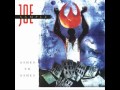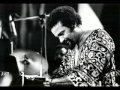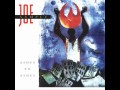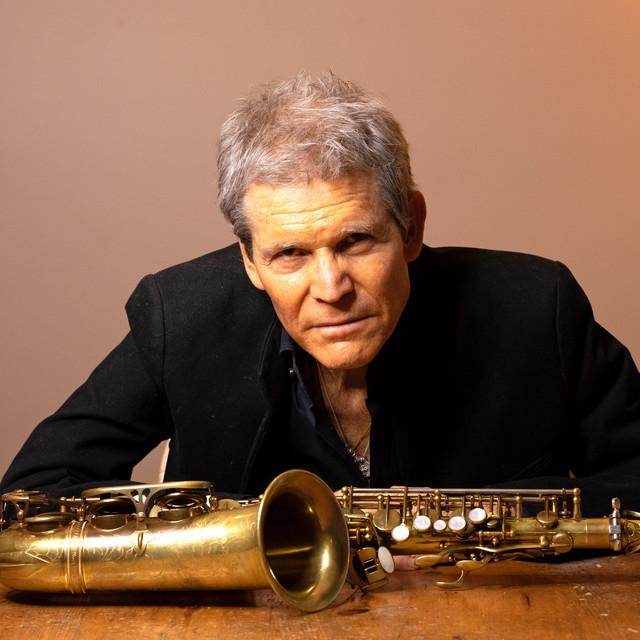
Joe Sample

Jazz
Jazz Fusion
Smooth Jazz
Latin Jazz
 Viberate Rank: 43209
 Viberate Rank: 43209
 Monthly ListenersFollowers
 Subscribers
 Followers
 Followers
 FansTop Spotify Songs
| Track | 7-Day Streams | |
|---|---|---|
1 | 28.01K | |
2 | 20.43K | |
3 | 13.99K | |
4 | 11.02K | |
5 | 10.25K |
Top YouTube VideosMonthly ListenersFeatured in Playlists| Playlist | Followers | |
|---|---|---|
1 |  Easy Jazz Spotify | 751.02K |
2 |  Christmas 2026 🎄 Greatest Hits & Holiday Classics Mega Hits | 272.80K |
3 |  Smooth Jazz Classics Spotify | 194.34K |
4 |  real good shit Tom Misch | 165.63K |
5 |  Smooth Jazz - Instrumental Pekka Martikainen | 141.77K |
Audience| City | Monthly Listeners | |
|---|---|---|
1 |  | 2.91K |
2 | | 2.90K |
3 |  | 2.70K |
4 | | 2.59K |
5 |  | 2.53K |
See full performance history, audience data, playlist activity, rankings, comparisons, and more in Viberate music analytics. Start with a free trial, then continue with a paid plan.
Joe Sample’s Spotify BioOne of the many jazzmen who started out playing hard bop but went electric during the fusion era, Joe Sample was, in the late '50s, a founding member of the Jazz Crusaders along with trombonist Wayne Henderson, tenor saxman Wilton Felder, and drummer Stix Hooper. The Crusaders' debt to Art Blakey's Jazz Messengers wasn't hard to miss -- except that the L.A.-based unit had no trumpeter, and became known for its unique tenor/trombone front line. Sample, a hard-swinging player who could handle chordal and modal/scalar improvisation equally well, stuck to the acoustic piano during the Crusaders' early years -- but would place greater emphasis on electric keyboards when the band turned to jazz-funk in the early '70s and dropped "Jazz" from its name. Though he'd recorded as a trio pianist on 1969's obscure Fancy Dance, 1978's Rainbow Seeker was often described as his first album as a leader. In contrast to the gritty music the Crusaders became known for, Sample's own albums on MCA and,… later, Warner Bros. and PRA generally favored a very lyrical and introspective jazz-pop approach. Sample died of mesothelioma in September 2014 in Houston, Texas at the age of 75. In 2015, Sample's holiday-themed collaboration with vocalist India.Arie, Christmas with Friends, was posthumously released. ~ Alex Henderson, Rovi
Viberate is a music analytics platform built for A&Rs, artist managers, labels, booking agents, marketers, and artists.
It helps music professionals track artist growth, analyze audience data, monitor playlist activity, compare artists, follow song performance, and identify opportunities across the music market.
Public artist pages provide a free preview of selected artist data. Paid plans provide access to deeper analytics, historical data, charts, comparisons, playlist tools, exports, alerts, reports, and additional professional features.
Yes. Public Viberate artist pages provide selected artist analytics and music data for free.
Viberate also offers a 7-day free trial of the full platform. A credit card is required to start the trial. The trial includes access to the complete product so users can test deeper artist analytics, historical views, playlist insights, comparisons, charts, exports, alerts, and reporting features before choosing a paid plan.
Viberate provides artist analytics across streaming, playlists, social media, video, radio airplay, songs, and audience markets.
Users can analyze Spotify performance, Spotify and Apple Music playlists, YouTube activity, TikTok and Instagram growth, radio spins, song performance, audience locations, demographics, rankings, and overall artist momentum.
Artist profiles also connect to music charts, similar artists, and comparison tools, helping users benchmark performance and evaluate artists in context.
Viberate updates key artist and track data daily.
For followed artists and tracks, selected data is refreshed multiple times per day. This helps teams monitor playlist changes, streaming movement, audience growth, releases, and campaign performance with more current data.
Update frequency can vary depending on the metric and data source.
Yes. Viberate lets users compare up to five artists side by side across streaming, social media, audience, and engagement metrics.
Users can compare fanbase growth, audience demographics, locations, Spotify performance, social metrics, and other artist data over selected time periods.
Artist comparison can be used for A&R scouting, benchmarking, booking decisions, campaign planning, and evaluating artists with similar audiences or market positions.