Steve Gray

Jazz
Jazz Fusion
Orchestral
 Viberate Rank: 392126
 Viberate Rank: 392126
 Monthly ListenersFollowers
 Subscribers
 Followers
 Followers
 FansTop Spotify SongsTop YouTube VideosMonthly ListenersFeatured in Playlists
| Playlist | Followers | |
|---|---|---|
1 |  Best of Movie, TV & Game Soundtracks by GuiguiF Guillaume Flahaut | 53.67K |
2 | Best movie songs 22uybsssouepbjvrxibibbxda | 19.63K |
3 |  Soundtracks Luca ElRey | 15.50K |
4 |  The NTS Breakfast Show w/ Flo - NTS NTS ᵇᵒᵗ (killed 2026/03) | 12.72K |
5 | Classic Guitar Favorites davetus57 | 10.62K |
Audience| City | Monthly Listeners | |
|---|---|---|
1 | | 38 |
2 |  | 24 |
3 | | 24 |
4 |  | 22 |
5 |  | 19 |
See full performance history, audience data, playlist activity, rankings, comparisons, and more in Viberate music analytics. Start with a free trial, then continue with a paid plan.
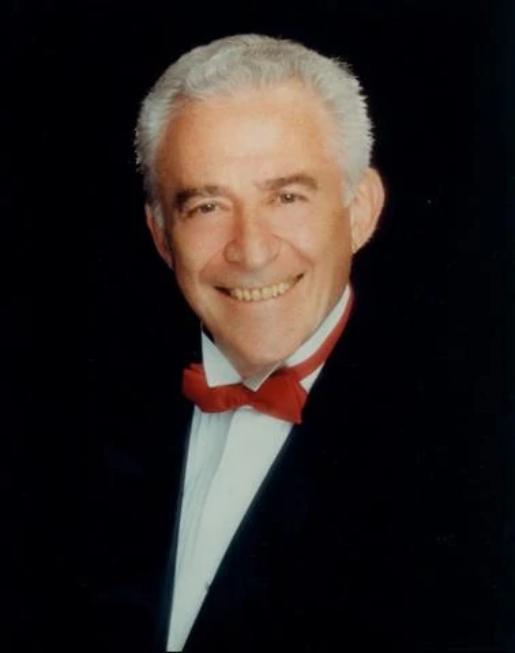
Steve Gray’s Spotify BioAlongside his accomplishments as a composer and arranger, the multifaceted Steve Gray was also one of the most prolific session keyboardists in contemporary jazz, lending his talents to sessions headlined by Quincy Jones, Henry Mancini, and Peggy Lee. Born April 18, 1944, in Middlesbrough, England, Gray began teaching himself piano at age ten, later playing saxophone in his school band. In his early teens he attended a Duke Ellington concert, and according to legend he spent the bus ride home transcribing the music the jazz icon had just performed. After a stint as pit pianist at the Middlesbrough Empire, Gray relocated to London, where he signed on with a bop quartet led by renowned drummer Phil Seamen. Tenures with Eric Delaney, Johnny Howard, and Mike Cotton followed, and by the late '60s Gray was such an in-demand session player that he even headlined his own date, 1969's A Woman in Love. From there he led the fusion quintet Wasp in tandem with ex-Shadows drummer Brian Bennett and… saxophonist Duncan Lamont. In addition, Gray wrote incidental music in a variety of styles spanning from classical to disco for music library clearinghouse KPM.
His skills as an arranger first earned notice when he collaborated with composer Jonathan Hodge for the 1971 Richard Burton vehicle Villain -- from there Gray collaborated with Olivia Newton-John, Petula Clark, and Tom Jones, and in 1975 arranged the Walker Brothers' acclaimed comeback effort, No Regrets. He nevertheless remained best known in the jazz world, racking up an impressive résumé that culminated in his long stint playing keyboards in guitarist John Williams' crossover unit Sky. After leaving the group, Gray reunited with Williams in 1988 to write a guitar concerto for the London Symphony Orchestra, followed by a piano concerto penned for French jazz legend Martial Solal. He also composed two operas and a requiem mass, and teamed with ambient pioneer Brian Eno to orchestrate many of Eno's compositions. From 1991 onward Gray worked with the NDR Big Band in Hamburg, Germany, masterminding a project celebrating the music of South African pianist Abdullah Ibrahim. Gray also teamed with the NDR on a Duke Ellington tribute as well as a requiem mass for big band and choir. He died on September 20, 2008. ~ Jason Ankeny, Rovi
Viberate is a music analytics platform built for A&Rs, artist managers, labels, booking agents, marketers, and artists.
It helps music professionals track artist growth, analyze audience data, monitor playlist activity, compare artists, follow song performance, and identify opportunities across the music market.
Public artist pages provide a free preview of selected artist data. Paid plans provide access to deeper analytics, historical data, charts, comparisons, playlist tools, exports, alerts, reports, and additional professional features.
Yes. Public Viberate artist pages provide selected artist analytics and music data for free.
Viberate also offers a 7-day free trial of the full platform. A credit card is required to start the trial. The trial includes access to the complete product so users can test deeper artist analytics, historical views, playlist insights, comparisons, charts, exports, alerts, and reporting features before choosing a paid plan.
Viberate provides artist analytics across streaming, playlists, social media, video, radio airplay, songs, and audience markets.
Users can analyze Spotify performance, Spotify and Apple Music playlists, YouTube activity, TikTok and Instagram growth, radio spins, song performance, audience locations, demographics, rankings, and overall artist momentum.
Artist profiles also connect to music charts, similar artists, and comparison tools, helping users benchmark performance and evaluate artists in context.
Viberate updates key artist and track data daily.
For followed artists and tracks, selected data is refreshed multiple times per day. This helps teams monitor playlist changes, streaming movement, audience growth, releases, and campaign performance with more current data.
Update frequency can vary depending on the metric and data source.
Yes. Viberate lets users compare up to five artists side by side across streaming, social media, audience, and engagement metrics.
Users can compare fanbase growth, audience demographics, locations, Spotify performance, social metrics, and other artist data over selected time periods.
Artist comparison can be used for A&R scouting, benchmarking, booking decisions, campaign planning, and evaluating artists with similar audiences or market positions.