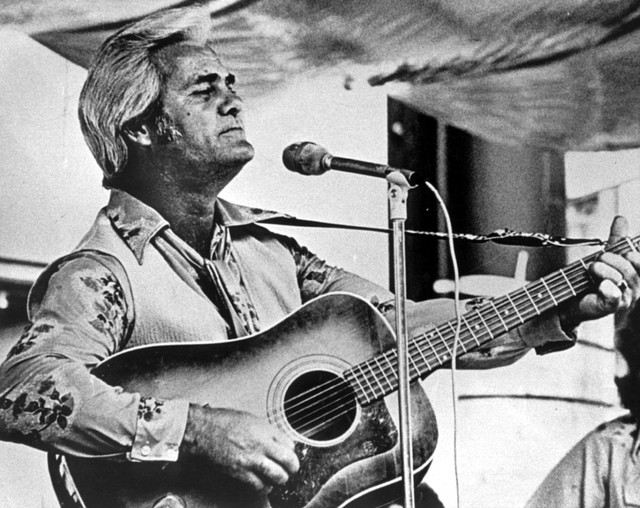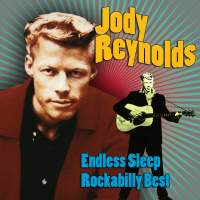
Jody Reynolds

Rock
Alternative Rock
Rockabilly
 Viberate Rank: 203415
 Viberate Rank: 203415
 Monthly ListenersFollowers
 Subscribers
 Followers
 Followers
 FansTop Spotify Songs
| Track | 7-Day Streams | |
|---|---|---|
1 | 1.60K | |
2 | 1.43K | |
3 | 1.42K | |
4 | 1.40K | |
5 | 1.25K |
Top YouTube VideosMonthly ListenersFeatured in Playlists| Playlist | Followers | |
|---|---|---|
1 |  Witchy Songs 🔮🌙 Sarah | 97.70K |
2 |  TWIN PEAKS: It Is Happening Again Johnny Jewel | 38.72K |
3 |  Twin Peaks Vibes 📺 maddie f | 36.94K |
4 |  Stevie Nicks and other witchy vibes Riley Harkness | 30.86K |
5 | Songs: Mad Men Kenneth Lorence | 30.53K |
Audience| City | Monthly Listeners | |
|---|---|---|
1 | | 619 |
2 | | 318 |
3 | | 295 |
4 |  | 280 |
5 | | 266 |
See full performance history, audience data, playlist activity, rankings, comparisons, and more in Viberate music analytics. Start with a free trial, then continue with a paid plan.
Jody Reynolds’ Spotify BioJody Reynolds had a million-seller in 1958 with "Endless Sleep." The single became a forerunner of death rock classics such as "Tell Laura I Love Her" from Ray Peterson and "Teen Angel" by Mark Dinning. Reynolds charted for the last time that same year with a number titled "Fire of Love." Despite the lack of a string of chart successes, his one big seller was enough to ensure Reynolds' membership in the Rockabilly Hall of Fame, which inducted him in 1999. In conjunction with the honor, Tru Gems Records issued a double-CD set of Reynolds' recordings, featuring guest performances by Bobbie Gentry, Jimmy Bryant, and others.
Reynolds was born in Colorado in 1932, but he was raised in Oklahoma. He learned how to play guitar during his early teen years, when he gravitated to the Western swing sounds of Hank Thompson, Bob Wills, and Eddy Arnold. In 1952, he founded a group called the Storms. Within three years, he was in Texas, where he played rockabilly, caught Roy Orbison's live act, and… enjoyed the music of such performers as Carl Perkins and Elvis Presley.
Herb Montei, a Hollywood music publisher, turned down Reynolds when he heard his first demo submissions. After hearing "Endless Sleep," however, Montei agreed to manage the young rockabilly singer and he arranged for Reynolds to record the song for Demon Records. Reynolds had written the song in a single afternoon in 1956 in Yuma, AZ. Some of Reynolds' songs, including "Endless Sleep," give a writing credit to Dolores Nance, but the name is a pseudonym that Reynolds used.
Reynolds and the Storms later recorded a honky tonk sounding instrumental, "Thunder," for Indigo. The flip side was "Tarantula." Reynolds also released "Stormy" on Smash Records, which was backed by "Don't Jump." For Brent, he recorded "Raggedy Ann," which was produced by Alan Freed. "Fire of Love" has been featured in a few films, including Doctor Chance in France.
Reynolds remained with the Storms throughout the 1960s. He left the limelight during the 1970s. He settled in Palm Springs, CA, where he sells real estate. ~ Linda Seida, Rovi
Viberate is a music analytics platform built for A&Rs, artist managers, labels, booking agents, marketers, and artists.
It helps music professionals track artist growth, analyze audience data, monitor playlist activity, compare artists, follow song performance, and identify opportunities across the music market.
Public artist pages provide a free preview of selected artist data. Paid plans provide access to deeper analytics, historical data, charts, comparisons, playlist tools, exports, alerts, reports, and additional professional features.
Yes. Public Viberate artist pages provide selected artist analytics and music data for free.
Viberate also offers a 7-day free trial of the full platform. A credit card is required to start the trial. The trial includes access to the complete product so users can test deeper artist analytics, historical views, playlist insights, comparisons, charts, exports, alerts, and reporting features before choosing a paid plan.
Viberate provides artist analytics across streaming, playlists, social media, video, radio airplay, songs, and audience markets.
Users can analyze Spotify performance, Spotify and Apple Music playlists, YouTube activity, TikTok and Instagram growth, radio spins, song performance, audience locations, demographics, rankings, and overall artist momentum.
Artist profiles also connect to music charts, similar artists, and comparison tools, helping users benchmark performance and evaluate artists in context.
Viberate updates key artist and track data daily.
For followed artists and tracks, selected data is refreshed multiple times per day. This helps teams monitor playlist changes, streaming movement, audience growth, releases, and campaign performance with more current data.
Update frequency can vary depending on the metric and data source.
Yes. Viberate lets users compare up to five artists side by side across streaming, social media, audience, and engagement metrics.
Users can compare fanbase growth, audience demographics, locations, Spotify performance, social metrics, and other artist data over selected time periods.
Artist comparison can be used for A&R scouting, benchmarking, booking decisions, campaign planning, and evaluating artists with similar audiences or market positions.