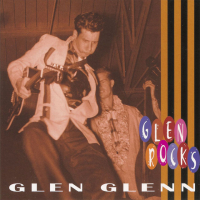
Glen Glenn

Rock
Rockabilly
Folk Rock
Alternative Rock
 Viberate Rank: 185375
 Viberate Rank: 185375
 Monthly ListenersFollowers
 Subscribers
 Followers
 Followers
 FansTop Spotify Songs
| Track | 7-Day Streams | |
|---|---|---|
1 | 5.34K | |
2 | 2.21K | |
3 | 1.34K | |
4 | 1.34K | |
5 | 1.15K |
Top YouTube VideosMonthly ListenersFeatured in Playlists| Playlist | Followers | |
|---|---|---|
1 |  Rockabilly Mania Spotify | 547.20K |
2 |  The Best Of Rockabilly Music Francis Verdon | 40.54K |
3 |  ROCKABILLY DANCE Bruno Starring | 29.51K |
4 |  Best of 50’s Rockabilly fernyhm | 17.04K |
5 |  Rockabilly Peter Karlsson | 13.32K |
Audience| City | Monthly Listeners | |
|---|---|---|
1 | | 329 |
2 |  | 226 |
3 |  | 219 |
4 |  | 199 |
5 | | 164 |
See full performance history, audience data, playlist activity, rankings, comparisons, and more in Viberate music analytics. Start with a free trial, then continue with a paid plan.
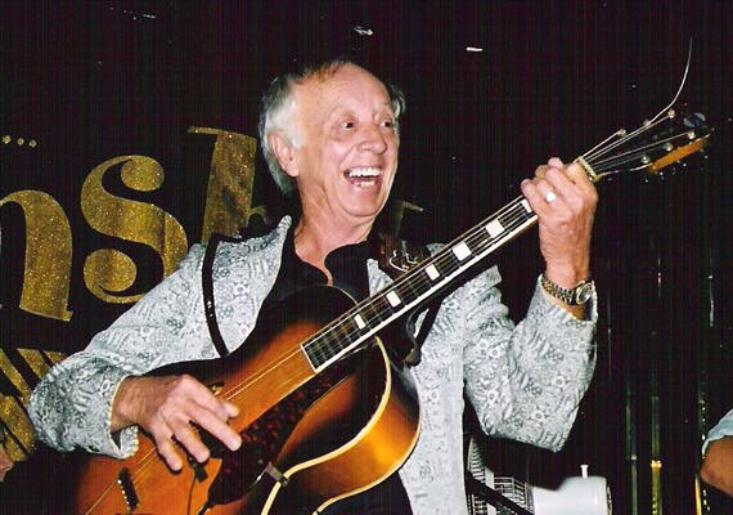
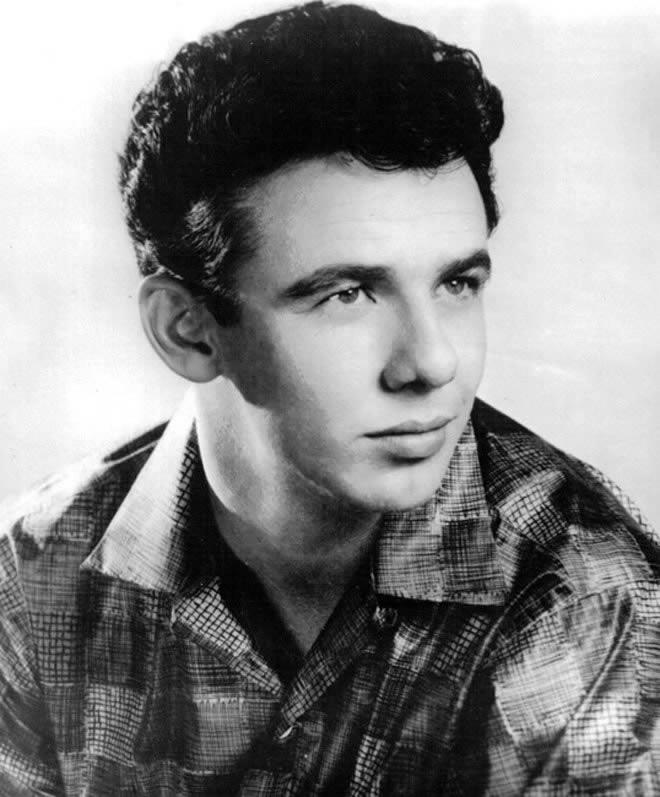
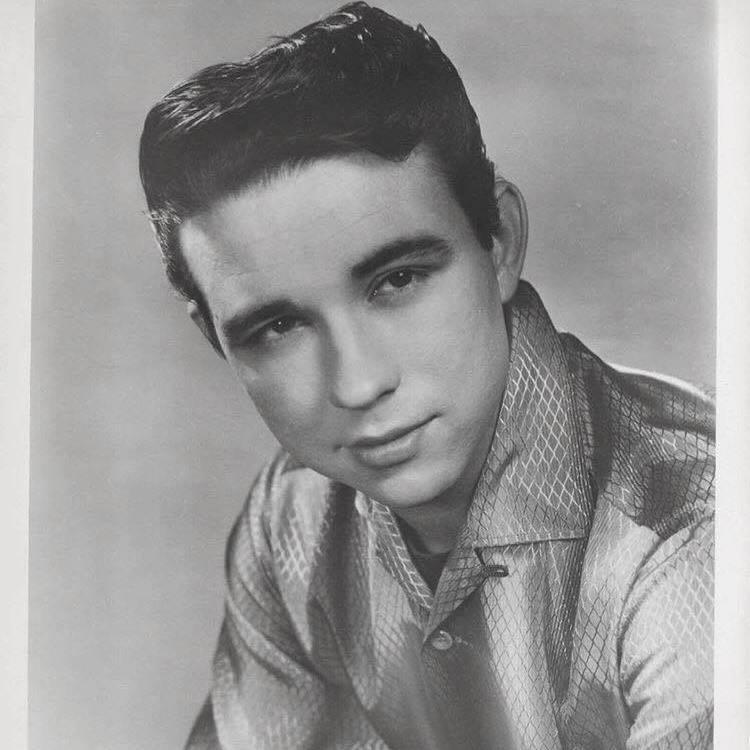
Glen Glenn’s Spotify BioWhile he never gained the same fame and public recognition as such fellow West Coast rockabilly pioneers as Eddie Cochran and Ricky Nelson, Glen Glenn's talent far outweighed his luck in the music business, and his classic sides became the stuff of legend among rockabilly fans as well as such roots rock giants as Bruce Springsteen, Tom Petty, and Bob Dylan, all of whom covered his tunes on-stage.
Glenn was born Orin Glenn Troutman on October 24, 1934, in Joplin, Missouri. Troutman was raised on the classic traditional country sounds of the deep South (and was related to Porter Wagoner by marriage), and when his family relocated to San Dimas, California in 1948, his enthusiasm for classic country and Western swing sounds continued to grow. By the time he was 17, he had bought a guitar and had started jamming with Gary Lambert, a gifted guitar picker who went to the same high school as Troutman and had also started listening to the new R&B sounds which were pouring into California's… airwaves. He and Lambert formed a country duo called the Missouri Mountain Boys, and began making the rounds of Los Angeles's country bars, with Troutman dropping out of high school to devote himself to music full-time.
Eventually, Troutman and Lambert landed a regular spot on a local television show devoted to country music, where they became friends with another local artist with a distinctive style, Eddie Cochran. Lambert cut some demos with Cochran, and Troutman was strongly influenced by Cochran's blend of country twang and R&B rhythm. Soon Troutman was dropping R&B and rockin' country tunes into their sets, and after editing his name to Glen Trout, he began touring steadily and cutting demos for a variety of labels, mostly with, but occasionally without, Lambert. In late 1957, Troutman finally landed a deal with L.A.'s ERA Records, and in January of 1958 his first single was released, the superb "Everybody's Rockin'" backed with "I'm Glad My Baby's Gone." However, Troutman soon received two less-than-welcome surprises -- without consulting him, ERA had bestowed a new stage name on him, Glen Glenn, and the rising star received his draft notice in the mail. (Lambert was also drafted around the same time.) While ERA continued to release material by Glenn, with the artist unable to promote the records, most received little notice, and while rockabilly collectors would later regard such sides as "Blue Jeans and a Boy's Shirt," "One Cup of Coffee," and "Laurie Ann" as classics, outside of California they fell upon deaf ears.
When Glenn and Lambert were discharged from the Army in 1960, they attempted to pick up their careers where they left off, but by that time rockabilly had fallen out of favor and ERA had moved Glenn to their subsidiary label Dore Records, where they tried to polish him into a well-scrubbed pop crooner. While the results weren't as dire as one might fear, the records didn't sell especially well, and Glenn dropped out of music full-time shortly afterward, though both he and Lambert continued to perform on weekends. A country side Glenn and Lambert cut in 1961 found a belated release in 1964, which would have marked the end of Glenn's recording career if a British label hadn't released a compilation of his rare rockabilly material in 1977. Like many lesser-known American rockabilly artists, Glenn soon developed a passionate following in the U.K., and in 1984 he cut a new Glenn album with Lambert for the Ace label. Glenn became a regular fixture on the California club scene, and staged occasional European tours. Glen Glenn died on March 18, 2022; he was 87. ~ Mark Deming, Rovi
Viberate is a music analytics platform built for A&Rs, artist managers, labels, booking agents, marketers, and artists.
It helps music professionals track artist growth, analyze audience data, monitor playlist activity, compare artists, follow song performance, and identify opportunities across the music market.
Public artist pages provide a free preview of selected artist data. Paid plans provide access to deeper analytics, historical data, charts, comparisons, playlist tools, exports, alerts, reports, and additional professional features.
Yes. Public Viberate artist pages provide selected artist analytics and music data for free.
Viberate also offers a 7-day free trial of the full platform. A credit card is required to start the trial. The trial includes access to the complete product so users can test deeper artist analytics, historical views, playlist insights, comparisons, charts, exports, alerts, and reporting features before choosing a paid plan.
Viberate provides artist analytics across streaming, playlists, social media, video, radio airplay, songs, and audience markets.
Users can analyze Spotify performance, Spotify and Apple Music playlists, YouTube activity, TikTok and Instagram growth, radio spins, song performance, audience locations, demographics, rankings, and overall artist momentum.
Artist profiles also connect to music charts, similar artists, and comparison tools, helping users benchmark performance and evaluate artists in context.
Viberate updates key artist and track data daily.
For followed artists and tracks, selected data is refreshed multiple times per day. This helps teams monitor playlist changes, streaming movement, audience growth, releases, and campaign performance with more current data.
Update frequency can vary depending on the metric and data source.
Yes. Viberate lets users compare up to five artists side by side across streaming, social media, audience, and engagement metrics.
Users can compare fanbase growth, audience demographics, locations, Spotify performance, social metrics, and other artist data over selected time periods.
Artist comparison can be used for A&R scouting, benchmarking, booking decisions, campaign planning, and evaluating artists with similar audiences or market positions.