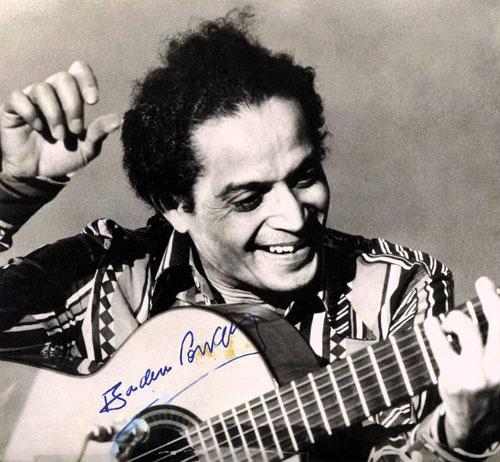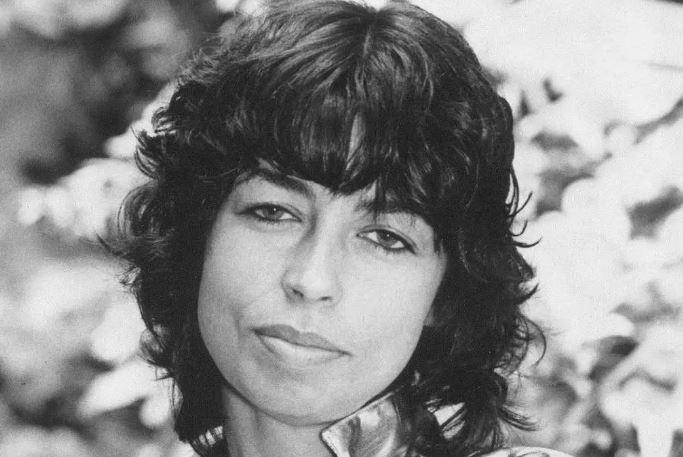
Edu Lobo

Latin
Other Latin Music
Bossa Nova
 Viberate Rank: 50984
 Viberate Rank: 50984
 Monthly ListenersFollowers
 Subscribers
 Followers
 Followers
 FansTop Spotify Songs
| Track | 7-Day Streams | |
|---|---|---|
1 | 55.17K | |
2 | 22.31K | |
3 | 13.67K | |
4 | 13.17K | |
5 | 8.44K |
Top YouTube VideosMonthly ListenersFeatured in Playlists| Playlist | Followers | |
|---|---|---|
1 |  Café Bossa Spotify | 282.52K |
2 |  🪐🪐🪐🪐🪐🪐🪐🪐☼:̴͓̞̑̌̂̆̊͋̀:̸͎̟̯̂̓̌:̶̢͙͙͕̠̩͆ ⃝🟠 ̴̤̻̀(̵̙̺̳̩͐͗́͑͋̓̕͜ͅ(̵̺͖̤͌͂͑̐̕o̶̢̘͔̒̈̑̒͊v̴̢͚͚͎͎̞͒͊̎ȯ̶̞̮͖̑̈́̿ ☼:̴͓̞̑̌̂̆̊͋̀:̸͎̟̯̂̓̌:̶̢͙͙͕̠̩͆(̷̮͍͚̫͚͂̍)̵̳̗̊( 🟠🟢⦿🔵🟡\̸̧͔̰̳̦̣̪̈̏̓ ̴̡̛̅͐͛̀̽/̶̱̼̣̤̰̲̣̈́̋͌̿̄̍̊\̴̲̣̝̀͜ͅ🔴🫧✨🫧 ̵̨̛̱̥͕́̎́̐͝/̸̠̜̅̐͊̋̿̐̓\̸̧͔̰̳̦̣̪̈̏̓ ̴̡̛̅͐͛̀̽🥏🟠/̶̱̼̣̤̰̲̣̈́̋͌̿̄̍̊\̴̲̣̝̀͜ͅ💥 ̸̝̮̟̹̀̆̋̿ ̴̤̻̀🥭(̵̙̺̳̩͐͗́͑͋̓̕͜ͅ(̵̺͖̤͌͂͑̐̕o̶̢̘͔̒̈̑̒͊🔵:̸͎̟̯̂̓̌:̶̢͙͙͕̠̩͆(̷̮͍͚̫͚͂̍)̵̳̗̊(🟠🪐 Four Tet | 210.46K |
3 |  Jazz BR Spotify | 163.19K |
4 |  Academia de Samples Spotify | 69.13K |
5 |  Indie Alternative l Nice Guys Nice Guys | 63.89K |
Audience| City | Monthly Listeners | |
|---|---|---|
1 | | 32.61K |
2 | | 15.12K |
3 | | 9.08K |
4 | | 6.47K |
5 | | 5.03K |
See full performance history, audience data, playlist activity, rankings, comparisons, and more in Viberate music analytics. Start with a free trial, then continue with a paid plan.
Edu Lobo’s Spotify BioA driving force behind the rise of the MPB (Musica Popular Brasileira) sound, singer/composer Edú Lobo was born in Rio de Janeiro in 1943; at 18 he formed his first trio with Dori Caymmi and the great Marcos Valle, and in 1962, he forged a long-term writing partnership with renowned lyricist Vinicius de Moraes. Drawing influence from bossa nova masters including Antonio Carlos Jobim, João Gilberto, and Baden Powell, Lobo released his debut LP, A Musica de Edú Lobo por Edú Lobo in 1963; that same year he also authored the music for Oduvaldo Vianna Filho's play Os Azerados Mais Os Benvidos, the first of many stage collaborations. The album Cinco Na Bossa, recorded with Nara Leão and the Tamba Trio, followed in 1965, the same year Lobo took top honors at the First Annual Brazilian Popular Musical Festival with his composition "Arrastão," a major hit for singer Elis Regina. (In 1967, he repeated the feat with "Ponteio.")
Albums including 1968's Edú followed before Lobo met Sergio Mendes in… 1969, resulting in a contract with A&M Records for From the Hot Afternoon, which featured saxophonist Paul Desmond; by now a resident of Los Angeles, he toured with Mendes and Brasil 66 before resurfacing in 1971 with Sergio Mendes Presents Lobo, followed later that same year by Cantiga de Longe. Upon returning to Brazil, Lobo focused his energies on composing for films before returning to the studio for 1973's Missa Breve; he then spent the mid-'70s writing music for Globo, the world's fourth largest television network, including work on the hit series Caso Especial. 1976 saw the release of the LP Limite Das Aguas, with the widely acclaimed Camaleão appearing two years later; in 1979, Lobo's score to the feature Barra Pesada earned "Best Soundtrack" honors at the Gramado Film Festival.
Lobo inaugurated the '80s with a flurry of activity, following the LP Tempo Presente with the 1981 soundtrack Jogos de Danca (a work composed for the Ballet Guaira) as well as Tom e Edu, a collaboration with Antonio Carlos Jobim. In the wake of two more ballet scores, O Grande Circo Mistico and Gabriela, Lobo worked on a series of stage musicals -- Vargas, O Corsario do Rei, and Danca da Meia-Lua -- before finally returning to the studio in 1990 for the LP Serie Personalidade. Corrupião followed in 1993, and two years later he returned with Meia Noite. The score to the 1997 film Guerra de Canudos preceded Lobo's next project, the ambitious adaptation of Jo Soares' book A Samba for Sherlock; it was released in 2001 and followed the next year by Cambaio, a collaboration with Chico Buarque, Gal Costa, Lenine, and Zizi Possi.
Lobo spent the next five years writing for others, playing selective live shows and producing. When he finally did re-enter a studio, it was with Mauro Senise for the album Casa Forte, released in 2006 by Biscoito Fino. Two years later, Lobo appeared in a credited featured guest role on the Afonso Pais Trio's Subsequências. Tantas Marés was issued in 2010 and featured original compositions and covers of tunes by Buarque and Paulo César Pinheiro. Two years later, Edu Lobo & Metropole Orkest featured new compositions and well-known tunes from his repertoire. Essential Edu Lobo: A 70th Birthday Celebration was released in 2014 and featured guest spots from Buarque, Maria Bethania, Monica Salmaso, and Bena Lobo, his son. After a long touring celebration of the date, Lobo went back to writing for others and performing sporadically. 2017's Dos Navegantes, a collaborative effort with Senise and Romero Lubambo, won the Latin Grammy Award for Best MPB Album. ~ Jason Ankeny, Rovi
Viberate is a music analytics platform built for A&Rs, artist managers, labels, booking agents, marketers, and artists.
It helps music professionals track artist growth, analyze audience data, monitor playlist activity, compare artists, follow song performance, and identify opportunities across the music market.
Public artist pages provide a free preview of selected artist data. Paid plans provide access to deeper analytics, historical data, charts, comparisons, playlist tools, exports, alerts, reports, and additional professional features.
Yes. Public Viberate artist pages provide selected artist analytics and music data for free.
Viberate also offers a 7-day free trial of the full platform. A credit card is required to start the trial. The trial includes access to the complete product so users can test deeper artist analytics, historical views, playlist insights, comparisons, charts, exports, alerts, and reporting features before choosing a paid plan.
Viberate provides artist analytics across streaming, playlists, social media, video, radio airplay, songs, and audience markets.
Users can analyze Spotify performance, Spotify and Apple Music playlists, YouTube activity, TikTok and Instagram growth, radio spins, song performance, audience locations, demographics, rankings, and overall artist momentum.
Artist profiles also connect to music charts, similar artists, and comparison tools, helping users benchmark performance and evaluate artists in context.
Viberate updates key artist and track data daily.
For followed artists and tracks, selected data is refreshed multiple times per day. This helps teams monitor playlist changes, streaming movement, audience growth, releases, and campaign performance with more current data.
Update frequency can vary depending on the metric and data source.
Yes. Viberate lets users compare up to five artists side by side across streaming, social media, audience, and engagement metrics.
Users can compare fanbase growth, audience demographics, locations, Spotify performance, social metrics, and other artist data over selected time periods.
Artist comparison can be used for A&R scouting, benchmarking, booking decisions, campaign planning, and evaluating artists with similar audiences or market positions.