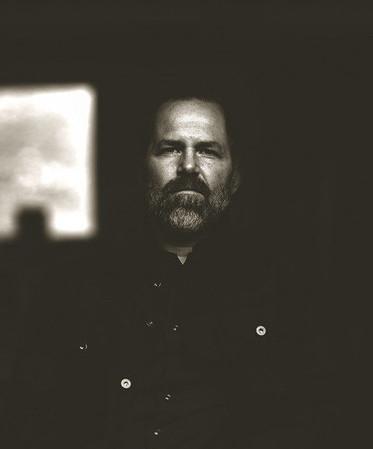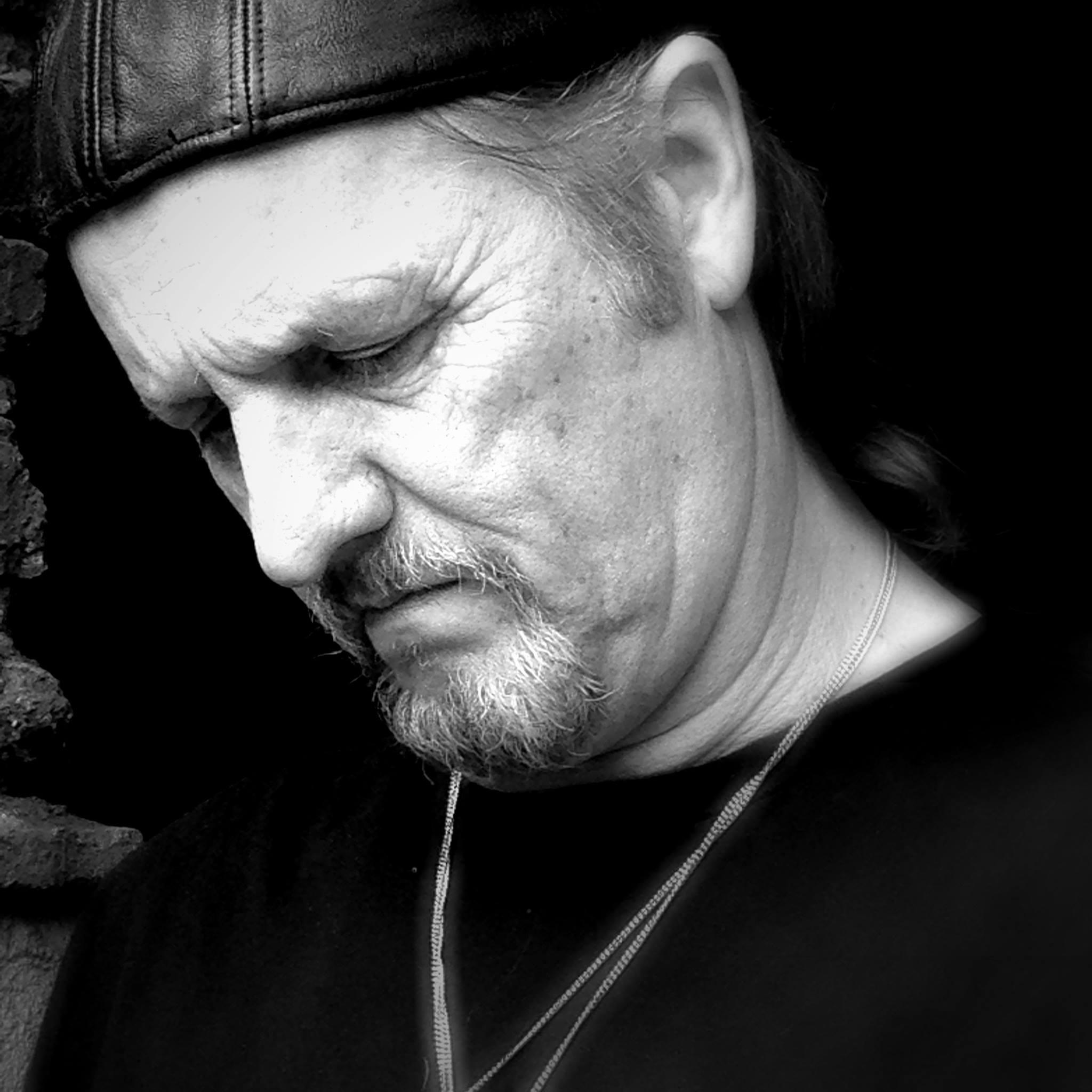
Jimmy LaFave

Country
Americana/Alt Country
 Viberate Rank: 140642
 Viberate Rank: 140642
 Monthly ListenersFollowers
 Subscribers
 Followers
 Followers
 FansTop Spotify Songs
| Track | 7-Day Streams | |
|---|---|---|
1 | 14.26K | |
2 | 5.01K | |
3 | 3.23K | |
4 | 2.05K | |
5 | 1.85K |
Top YouTube VideosMonthly ListenersFeatured in Playlists| Playlist | Followers | |
|---|---|---|
1 |  Americana Icons Spotify | 241.64K |
2 |  This Is John Mellencamp Spotify | 85.97K |
3 |  This Is Jackson Browne Spotify | 67.62K |
4 |  This Is Lucinda Williams Spotify | 29.90K |
5 | Hank Moody's playlist Pierre Leroy | 25.54K |
Audience| City | Monthly Listeners | |
|---|---|---|
1 |  | 960 |
2 | | 931 |
3 | | 681 |
4 |  | 657 |
5 | | 645 |
See full performance history, audience data, playlist activity, rankings, comparisons, and more in Viberate music analytics. Start with a free trial, then continue with a paid plan.
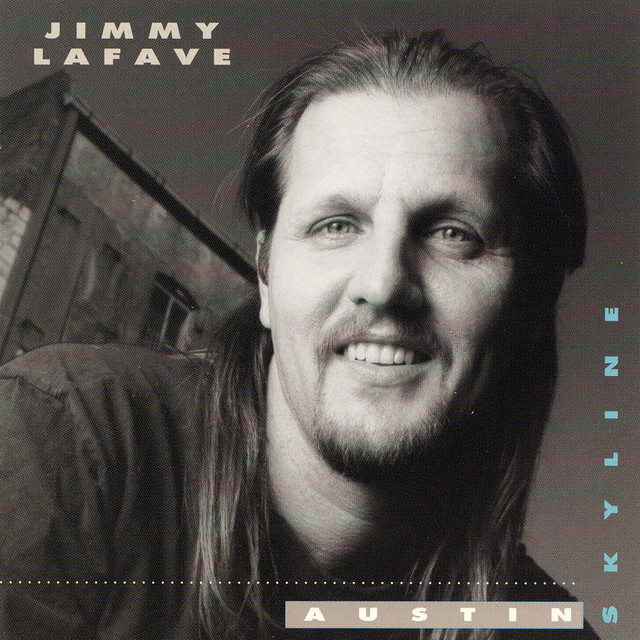
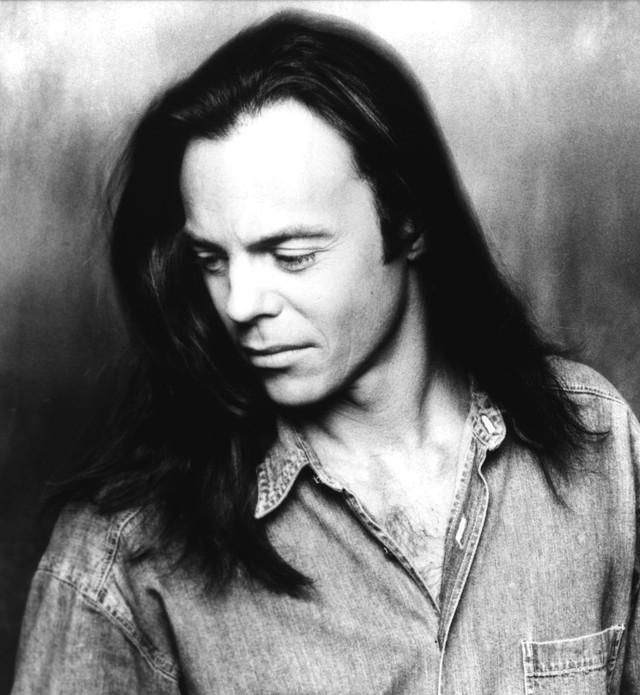
Jimmy LaFave’s Spotify BioAustin-based singer/songwriter and guitarist Jimmy LaFave brought a passionate rock & roll energy to his original folk songs, whether he was playing solo or with a band. LaFave grew up in Wills Point, east of Dallas, but at 17, his family moved to Stillwater, Oklahoma. When he was in his teens, his mother purchased his first guitar for him with green stamps. While Stillwater was not exactly bustling with musical activity, it wasn't a ghost town either, and it was close enough to Tulsa that LaFave found all the opportunities he was seeking as a young singer/songwriter. The musical heritage of the area certainly was rich enough: folksinger Woody Guthrie, jazz trumpeter Chet Baker, and jazz fiddler Claude "Fiddler" Williams, plus songwriter J.J. Cale and Leon Russell's Shelter Studios. But to find a wider audience and, more importantly, a record deal, LaFave thought it would be worthwhile to move to Austin. He found both after moving to Austin in 1985, and he was based there throughout… his career in music.
LaFave found a home at Chicago House, an Austin coffeehouse, and he spent the next eight years hosting open mikes there, honing his presentation skills as a solo artist. Through the latter half of the 1980s, he also worked with his band, Night Tribe, at other Austin clubs. With backing from Mark Shumate, a computer entrepreneur, LaFave was finally able to record his debut for Bohemia Beat Records, a company Shumate founded in 1992.
LaFave released three albums for Bohemia Beat: Austin Skyline (1993), his debut, a live recording titled as a play on Bob Dylan's Nashville Skyline album; Highway Trance (1994), a studio album that showcased his considerable skills as a guitar picker, singer, and songwriter; and 1995's Buffalo Return to the Plains, which contained just one cover, prime inspiration Bob Dylan's "Sweetheart Like You." LaFave counted among his other influences Jackson Browne, Chuck Berry, and Jerry Lee Lewis. LaFave's grassroots approach gave him a strong foundation on which to build a successful career. The way he blended country, blues, folk, and early rock & roll, his work ethic, and his low-key rapport with fans were all factors that worked in his favor.
Trail was issued in 1999; Texoma followed in early 2001. His next two albums -- 2005's Blue Nightfall and 2007's Cimarron Manifesto -- were issued by Red House Records. Depending on the Distance arrived in 2012, followed by The Night Tribe in 2015. In the spring of 2017 LaFave announced that he was battling a rare form of cancer, and in May of that year he succumbed to the disease at his home in Austin; he was 61 years old. ~ Richard Skelly, Rovi
Viberate is a music analytics platform built for A&Rs, artist managers, labels, booking agents, marketers, and artists.
It helps music professionals track artist growth, analyze audience data, monitor playlist activity, compare artists, follow song performance, and identify opportunities across the music market.
Public artist pages provide a free preview of selected artist data. Paid plans provide access to deeper analytics, historical data, charts, comparisons, playlist tools, exports, alerts, reports, and additional professional features.
Yes. Public Viberate artist pages provide selected artist analytics and music data for free.
Viberate also offers a 7-day free trial of the full platform. A credit card is required to start the trial. The trial includes access to the complete product so users can test deeper artist analytics, historical views, playlist insights, comparisons, charts, exports, alerts, and reporting features before choosing a paid plan.
Viberate provides artist analytics across streaming, playlists, social media, video, radio airplay, songs, and audience markets.
Users can analyze Spotify performance, Spotify and Apple Music playlists, YouTube activity, TikTok and Instagram growth, radio spins, song performance, audience locations, demographics, rankings, and overall artist momentum.
Artist profiles also connect to music charts, similar artists, and comparison tools, helping users benchmark performance and evaluate artists in context.
Viberate updates key artist and track data daily.
For followed artists and tracks, selected data is refreshed multiple times per day. This helps teams monitor playlist changes, streaming movement, audience growth, releases, and campaign performance with more current data.
Update frequency can vary depending on the metric and data source.
Yes. Viberate lets users compare up to five artists side by side across streaming, social media, audience, and engagement metrics.
Users can compare fanbase growth, audience demographics, locations, Spotify performance, social metrics, and other artist data over selected time periods.
Artist comparison can be used for A&R scouting, benchmarking, booking decisions, campaign planning, and evaluating artists with similar audiences or market positions.