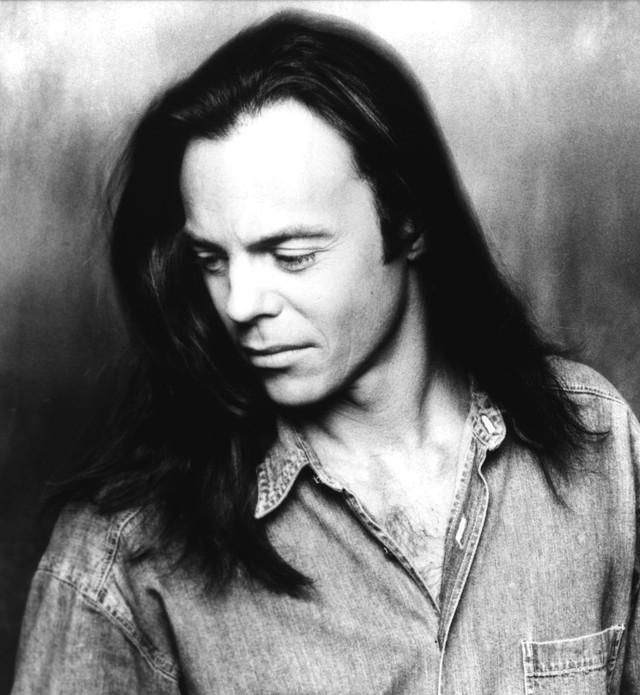
Greg Trooper

Country
Americana/Alt Country
Folk Rock
 Viberate Rank: 283475
 Viberate Rank: 283475
 Monthly ListenersFollowers
 Subscribers
 Followers
 Followers
 FansTop Spotify Songs
| Track | 7-Day Streams | |
|---|---|---|
1 | 1.05K | |
2 | 977 | |
3 | 860 | |
4 | 505 | |
5 | 476 |
Top YouTube VideosMonthly ListenersFeatured in Playlists| Playlist | Followers | |
|---|---|---|
1 | Mi casa es la tuya - Bertín Osborne Max Millares | 9.24K |
2 | Smooth Blues Nigel John Dunning | 4.55K |
3 |  Christmas Will Be Christmas Leo Blokhuis | 2.97K |
4 | Bluesrock Bjørn Storli | 2.19K |
5 |  BARN LODGE & CAFÉ Carla Furlan | 1.70K |
Audience| City | Monthly Listeners | |
|---|---|---|
1 |  | 82 |
2 |  | 80 |
3 | | 78 |
4 |  | 70 |
5 | | 60 |
See full performance history, audience data, playlist activity, rankings, comparisons, and more in Viberate music analytics. Start with a free trial, then continue with a paid plan.
Greg Trooper’s Spotify BioBorn and raised in New Jersey, Greg Trooper wrote songs recorded by the likes of Steve Earle and Vince Gill. In the early '70s, Trooper left the folk clubs of Greenwich Village for the music scene in Austin, Texas before moving to Lawrence, Kansas, where he entered college and continued to hone his guitar, singing, and songwriting skills.
He returned to New York for the '80s and part of the '90s, where he recorded his first two records: We Won't Dance and the critically acclaimed Everywhere. The records caught the attention of Earle, who recorded Trooper's "Little Sister." In the early '90s, Trooper met fellow New Jerseyite and ex-E Steet Band bassist Garry Tallent who, like Trooper, would settle in Nashville. Tallent produced Trooper's 1996 album Noises in the Hallway and released it on his D'Ville Records. Popular Demons followed in 1998. After the release of that album, he signed with famed Nashville indie Element Records, which released Straight Down Rain in 2001. He moved on to the… esteemed Sugar Hill label in 2003 with the excellent Floating, followed by Make It Through This World in 2005.
After returning to New York in 2008 and settling in Brooklyn, Trooper released two albums on the 52 Shakes label, 2011's Upside-Town Town and 2013's Incident on Willow Street, plus a previously unreleased 1995 recording called The Williamsburg Affair. The concert album Live at the Rock Room followed in 2015. Trooper died of pancreatic cancer in early 2017. ~ Jack Leaver, Rovi
Viberate is a music analytics platform built for A&Rs, artist managers, labels, booking agents, marketers, and artists.
It helps music professionals track artist growth, analyze audience data, monitor playlist activity, compare artists, follow song performance, and identify opportunities across the music market.
Public artist pages provide a free preview of selected artist data. Paid plans provide access to deeper analytics, historical data, charts, comparisons, playlist tools, exports, alerts, reports, and additional professional features.
Yes. Public Viberate artist pages provide selected artist analytics and music data for free.
Viberate also offers a 7-day free trial of the full platform. A credit card is required to start the trial. The trial includes access to the complete product so users can test deeper artist analytics, historical views, playlist insights, comparisons, charts, exports, alerts, and reporting features before choosing a paid plan.
Viberate provides artist analytics across streaming, playlists, social media, video, radio airplay, songs, and audience markets.
Users can analyze Spotify performance, Spotify and Apple Music playlists, YouTube activity, TikTok and Instagram growth, radio spins, song performance, audience locations, demographics, rankings, and overall artist momentum.
Artist profiles also connect to music charts, similar artists, and comparison tools, helping users benchmark performance and evaluate artists in context.
Viberate updates key artist and track data daily.
For followed artists and tracks, selected data is refreshed multiple times per day. This helps teams monitor playlist changes, streaming movement, audience growth, releases, and campaign performance with more current data.
Update frequency can vary depending on the metric and data source.
Yes. Viberate lets users compare up to five artists side by side across streaming, social media, audience, and engagement metrics.
Users can compare fanbase growth, audience demographics, locations, Spotify performance, social metrics, and other artist data over selected time periods.
Artist comparison can be used for A&R scouting, benchmarking, booking decisions, campaign planning, and evaluating artists with similar audiences or market positions.