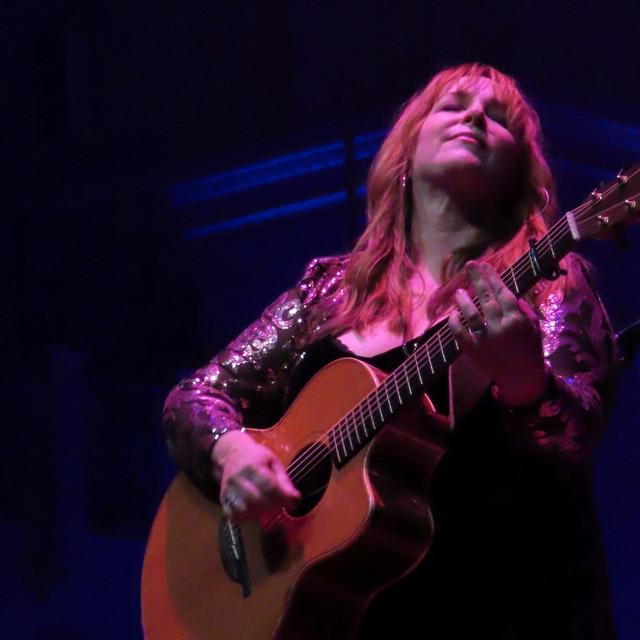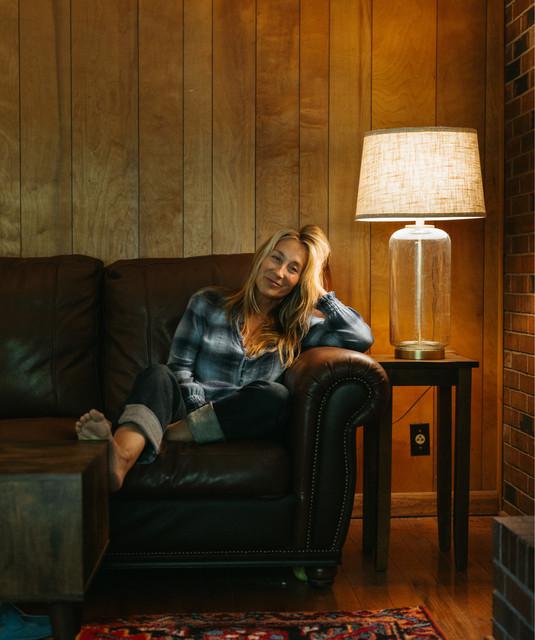
Allison Moorer

Country
Americana/Alt Country
Folk Rock
 Viberate Rank: 104229
 Viberate Rank: 104229
 Monthly ListenersFollowers
 Subscribers
 Followers
 Followers
 FansTop Spotify Songs
| Track | 7-Day Streams | |
|---|---|---|
1 | 12.73K | |
2 | 6.24K | |
3 | 5.78K | |
4 | 5.48K | |
5 | 4.27K |
Top YouTube VideosMonthly ListenersFeatured in Playlists| Playlist | Followers | |
|---|---|---|
1 |  Women of Folk Spotify | 336.54K |
2 |  Americana Icons Spotify | 241.64K |
3 |  Contemporary Folk Spotify | 170.36K |
4 |  Bob Dylan: Covered Spotify | 135.98K |
5 | Josh Turner: Greatest Hits Bantehbok | 37.93K |
Audience| City | Monthly Listeners | |
|---|---|---|
1 |  | 1.39K |
2 | | 1.33K |
3 |  | 1.01K |
4 | | 883 |
5 |  | 606 |
See full performance history, audience data, playlist activity, rankings, comparisons, and more in Viberate music analytics. Start with a free trial, then continue with a paid plan.
Allison Moorer’s Spotify BioA gifted vocalist and a strong, literate songwriter, Allison Moorer was one of the most critically celebrated voices to rise at the edges of country music in the late '90s and 2000s. While the sweetness of her instrument makes it work well for country, there are notes of blues and soul in her delivery, and she knows when to give her music a pop lilt and when to let the stronger emotions take hold. Moorer made a striking entrance with her first two albums, 1998's Alabama Song and 2000's The Hardest Part, while the 2003 live set Show broadened her profile thanks to guest spots from Kid Rock and Moorer's sister Shelby Lynne. After moving from major labels to independent outlets, Moorer's work became more personal, especially on 2015's Down to Believing and 2019's Blood.
Allison Moorer was born into a musical family and raised in the small southern Alabama town of Frankville; when Moorer's father shot her mother and then turned the gun on himself, older sister Lynne -- soon to become a… country singer herself -- took charge of raising her sister. After attending the University of South Alabama, Moorer moved to Nashville, hoping to get her start as a studio backing vocalist. She struck up a songwriting partnership with musician and future husband Butch Primm, and soon signed a publishing deal.
Performances of Walter Hyatt's "Tell Me Baby" at benefit shows for the late singer's family landed Moorer a contract with MCA Nashville. Moorer's big break came when "A Soft Place to Fall," a track she had co-written with Gwil Owen, was tapped for inclusion on the soundtrack of The Horse Whisperer; it garnered rave reviews, as well as an appearance in the film itself for Moorer, and set the stage for the singer's 1998 debut album, Alabama Song.
She returned with another solo effort in 2000 with The Hardest Part. Two years later, Moorer had a new deal with Universal South and released a third album, Miss Fortune, later that summer. Show, which was recorded in January 2003 at Nashville's 12th & Porter, appeared in June. Her sister and Kid Rock joined Moorer for this first-time live recording. Not slowing down, Moorer found a new label home with Sugar Hill in early 2004. The Duel, recorded with a new studio band in less than two weeks, was released in April of 2004.
Moorer married singer/songwriter Steve Earle and moved to New York in 2005, and in 2006 released Getting Somewhere. She followed it with a long tour, opening for Earle and being a featured vocalist in the Dukes. Mockingbird, an album largely focused on covers of songs by many of Moorer's favorite female singer/songwriters, was released in early 2008. The following year, she appeared in The People Speak, a documentary directed by Anthony Arnove and Chris Moore, based on Howard Zinn's landmark text A People's History of the United States. She also performed on the BBC television program Transatlantic Sessions and began recording a new album.
In February of 2010, she released Crows on Rykodisc, featuring the singles "The Broken Girl" and "Just Another Fool." Well-received, the album peaked at number 11 on Billboard's Folk Albums chart. That April, she also gave birth to a son, who was ultimately diagnosed with autism. Moorer and Steve Earle separated in 2014. Her eighth studio album, Down to Believing, was issued by E1 in the spring of 2015, produced by Kenny Greenberg.
Back in 2010, Moorer and Lynne teamed for the Side by Side tour, and considered recording an album together. The plan was shelved until 2017 when they got together in Los Angeles with producer Teddy Thompson and a small group of invited guest musicians including Benmont Tench, Erik Deutsch, Doug Pettibone, and Val McCallum. The siblings chose to record a host of covers from the classic country canon, alongside contemporary fare by pop and Americana songwriters. Their lone co-written original was the set closer "Is It Too Much?" Titled Not Dark Yet, the album was released by Thirty Tigers in August. In 2019, Moorer published a memoir, Blood, which dealt with her troubled childhood and her relationship with her sister. In conjunction with the book, Moorer released an album of songs related to its themes, also called Blood. ~ Steve Huey, Rovi
Viberate is a music analytics platform built for A&Rs, artist managers, labels, booking agents, marketers, and artists.
It helps music professionals track artist growth, analyze audience data, monitor playlist activity, compare artists, follow song performance, and identify opportunities across the music market.
Public artist pages provide a free preview of selected artist data. Paid plans provide access to deeper analytics, historical data, charts, comparisons, playlist tools, exports, alerts, reports, and additional professional features.
Yes. Public Viberate artist pages provide selected artist analytics and music data for free.
Viberate also offers a 7-day free trial of the full platform. A credit card is required to start the trial. The trial includes access to the complete product so users can test deeper artist analytics, historical views, playlist insights, comparisons, charts, exports, alerts, and reporting features before choosing a paid plan.
Viberate provides artist analytics across streaming, playlists, social media, video, radio airplay, songs, and audience markets.
Users can analyze Spotify performance, Spotify and Apple Music playlists, YouTube activity, TikTok and Instagram growth, radio spins, song performance, audience locations, demographics, rankings, and overall artist momentum.
Artist profiles also connect to music charts, similar artists, and comparison tools, helping users benchmark performance and evaluate artists in context.
Viberate updates key artist and track data daily.
For followed artists and tracks, selected data is refreshed multiple times per day. This helps teams monitor playlist changes, streaming movement, audience growth, releases, and campaign performance with more current data.
Update frequency can vary depending on the metric and data source.
Yes. Viberate lets users compare up to five artists side by side across streaming, social media, audience, and engagement metrics.
Users can compare fanbase growth, audience demographics, locations, Spotify performance, social metrics, and other artist data over selected time periods.
Artist comparison can be used for A&R scouting, benchmarking, booking decisions, campaign planning, and evaluating artists with similar audiences or market positions.