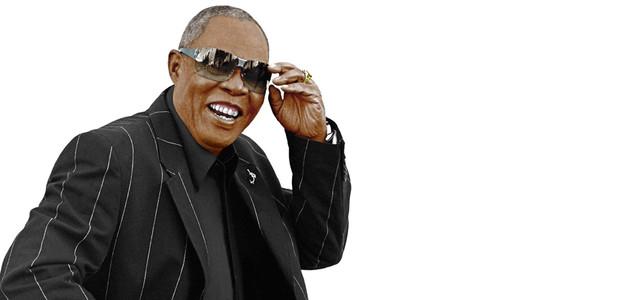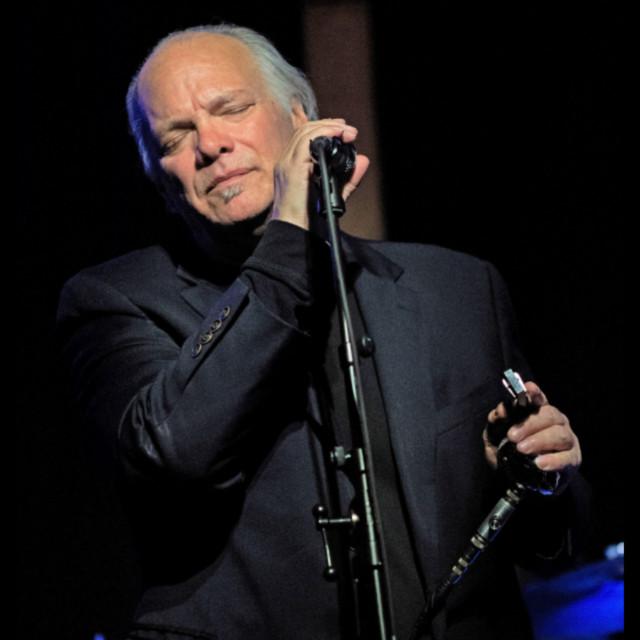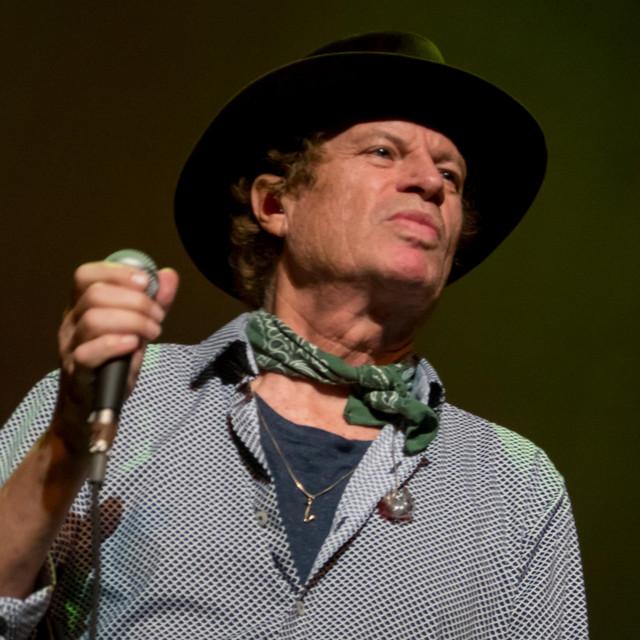
Jimmy Hall

Rock
Folk Rock
Alternative Rock
 Viberate Rank: 131626
 Viberate Rank: 131626
 Monthly ListenersFollowers
 Subscribers
 Followers
 Followers
 FansTop Spotify SongsTop YouTube Videos
| Video | 7-Day Views | |
|---|---|---|
1 | 3 | |
2 | 1 | |
3 | 1 | |
4 | 1 | |
5 | 1 |
Monthly ListenersFeatured in Playlists| Playlist | Followers | |
|---|---|---|
1 |  This Is Allman Brothers Band Spotify | 78.72K |
2 |  This Is Jackson Browne Spotify | 67.62K |
3 |  This Is Beth Hart Spotify | 66.66K |
4 |  Greatest Blues Jared Kerkhof | 56.18K |
5 |  This Is Jeff Beck Spotify | 48.86K |
Audience| City | Monthly Listeners | |
|---|---|---|
1 | | 837 |
2 | | 752 |
3 | | 699 |
4 | | 644 |
5 | | 629 |
See full performance history, audience data, playlist activity, rankings, comparisons, and more in Viberate music analytics. Start with a free trial, then continue with a paid plan.
Jimmy Hall’s Spotify BioJimmy Hall, former lead vocalist and harmonica player for Wet Willie, has a long and varied background as a performer, working with Capricorn Records from its early days in the 1970s. Born and raised in Mobile, Alabama, Hall cofounded Wet Willie in 1970; over the next ten years, Hall and the group toured with Aerosmith, the Allman Brothers Band, Grand Funk Railroad and the Grateful Dead. Hall was later nominated for a Grammy Award for Best Male Rock Vocalist for Jeff Beck's 1985 Flash album. After Wet Willie's breakup, Hall moved to Nashville to work on a solo project for Epic Records, and he's been based there ever since, finding a healthy blues scene in a city known for country music. On his 1996 effort Rendezvous With The Blues, Hall is backed by people like Clayton Ivey on piano, former Capricorn session drummer Bill Stewart, and Dr. Dan Matrazzo on Hammond B-3 organ; the record also features Johnny Sandlin, the same producer who sat behind the console on Wet Willie's 1973 live… album Drippin' Wet. In recent years, Hall joined Hank Williams Jr's touring band playing sax and harmonica. ~ Richard Skelly, Rovi
Viberate is a music analytics platform built for A&Rs, artist managers, labels, booking agents, marketers, and artists.
It helps music professionals track artist growth, analyze audience data, monitor playlist activity, compare artists, follow song performance, and identify opportunities across the music market.
Public artist pages provide a free preview of selected artist data. Paid plans provide access to deeper analytics, historical data, charts, comparisons, playlist tools, exports, alerts, reports, and additional professional features.
Yes. Public Viberate artist pages provide selected artist analytics and music data for free.
Viberate also offers a 7-day free trial of the full platform. A credit card is required to start the trial. The trial includes access to the complete product so users can test deeper artist analytics, historical views, playlist insights, comparisons, charts, exports, alerts, and reporting features before choosing a paid plan.
Viberate provides artist analytics across streaming, playlists, social media, video, radio airplay, songs, and audience markets.
Users can analyze Spotify performance, Spotify and Apple Music playlists, YouTube activity, TikTok and Instagram growth, radio spins, song performance, audience locations, demographics, rankings, and overall artist momentum.
Artist profiles also connect to music charts, similar artists, and comparison tools, helping users benchmark performance and evaluate artists in context.
Viberate updates key artist and track data daily.
For followed artists and tracks, selected data is refreshed multiple times per day. This helps teams monitor playlist changes, streaming movement, audience growth, releases, and campaign performance with more current data.
Update frequency can vary depending on the metric and data source.
Yes. Viberate lets users compare up to five artists side by side across streaming, social media, audience, and engagement metrics.
Users can compare fanbase growth, audience demographics, locations, Spotify performance, social metrics, and other artist data over selected time periods.
Artist comparison can be used for A&R scouting, benchmarking, booking decisions, campaign planning, and evaluating artists with similar audiences or market positions.