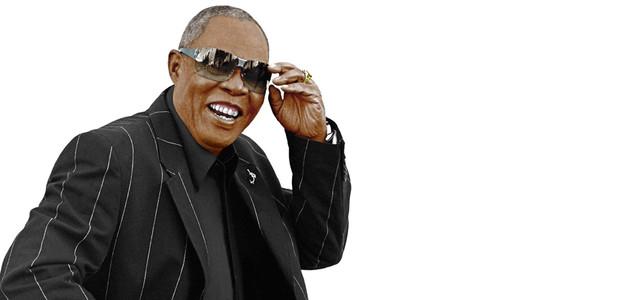
Sam Moore

R&B
Soul
Contemporary Blues
 Viberate Rank: 185098
 Viberate Rank: 185098
 Monthly ListenersFollowers
 Subscribers
 Followers
 Followers
 FansTop Spotify Songs
| Track | 7-Day Streams | |
|---|---|---|
1 | 19.17K | |
2 | 3.84K | |
3 | 3.04K | |
4 | 2.87K | |
5 | 2.18K |
Top YouTube VideosMonthly ListenersFeatured in Playlists| Playlist | Followers | |
|---|---|---|
1 |  Feelin' Good Spotify | 3.58M |
2 |  This Is Allman Brothers Band Spotify | 78.72K |
3 |  How I Met Your Mother: Songs From The Show Sam M. | 71.65K |
4 |  This Is Jackson Browne Spotify | 67.61K |
5 |  Greatest Blues Jared Kerkhof | 56.16K |
Audience| City | Monthly Listeners | |
|---|---|---|
1 | | 808 |
2 | | 729 |
3 |  | 713 |
4 | | 686 |
5 | | 633 |
See full performance history, audience data, playlist activity, rankings, comparisons, and more in Viberate music analytics. Start with a free trial, then continue with a paid plan.
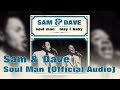
Sam Moore’s Spotify BioAs half of the legendary R&B duo Sam & Dave, Sam Moore was one of the great voices of the soul music era, but it wasn't until 2006 that his solo career began earning the attention it deserved. Born in Miami, Florida, in 1935, Moore cut his musical teeth singing gospel before he began making a name for himself on Florida's R&B circuit. While playing a Miami club called the King of Hearts in 1961, he met another struggling soul singer, Dave Prater; the two discovered they worked well together on-stage when Moore helped Prater through a shaky version of Jackie Wilson's "Dogging Around," and they formed an act called Sam & Dave. After an unsuccessful string of singles for Roulette Records, Sam & Dave hit pay dirt when Jerry Wexler signed them to Atlantic Records in 1965 and sent them to Memphis to work with the Stax Records production crew. At Stax, Sam & Dave scored a long string of hits, including "Soul Man," "Hold On, I'm Coming," and "I Thank You," but while they were a dynamite… combination on-stage, Moore and Prater did not get along off-stage, and in 1970 the duo split up.
In 1971, Moore intended to launch his solo career with an album produced by the legendary arranger and saxman King Curtis; however, Curtis died in a violent incident shortly before it was completed, and the finished album, Plenty Good Lovin', was not released until 2002. Moore and Prater reunited as Sam & Dave a number of times in the 1970s and '80s, but their relationship remained strained, and Prater died in 1988 in a car wreck. Throughout this period, Moore continued to play live shows and record when the opportunities arose: he recorded a new version of "Soul Man" with Lou Reed for the 1986 movie of the same name, appeared in the 1988 comedy Tapeheads as part of a famous soul duo alongside co-star Junior Walker, teamed up with Conway Twitty for a cover of "Rainy Night in Georgia" on the all-star artists album Rhythm Country and Blues, and contributed backing vocals to Bruce Springsteen's 1992 album Human Touch.
In 1992, Moore was inducted into the Rock and Roll Hall of Fame for his work with Sam & Dave, but he had trouble finding a record label that wanted to sign him until Rhino Records took him into the studio to record Overnight Sensational in 2005. Released the following year, the album was produced by Randy Jackson and included guest appearances from Bruce Springsteen, Steve Winwood, Jon Bon Jovi, Sting, Paul Rodgers, Eric Clapton, and many more. Moore continued to tour and work regularly over the next decade, but he didn't release a new album until 2017, when he put out a collection of patriotic covers aptly called An American Patriot. Springsteen once again called on Moore's talents when he recorded 2022's Only the Strong Survive; the album was an homage to vintage soul music, and Moore was a guest vocalist on "I Forgot to Be Your Lover" and "Soul Days." Moore died in Coral Gables, Florida, while recovering from surgery on January 10, 2025; he was 89 years of age. ~ Mark Deming, Rovi
Viberate is a music analytics platform built for A&Rs, artist managers, labels, booking agents, marketers, and artists.
It helps music professionals track artist growth, analyze audience data, monitor playlist activity, compare artists, follow song performance, and identify opportunities across the music market.
Public artist pages provide a free preview of selected artist data. Paid plans provide access to deeper analytics, historical data, charts, comparisons, playlist tools, exports, alerts, reports, and additional professional features.
Yes. Public Viberate artist pages provide selected artist analytics and music data for free.
Viberate also offers a 7-day free trial of the full platform. A credit card is required to start the trial. The trial includes access to the complete product so users can test deeper artist analytics, historical views, playlist insights, comparisons, charts, exports, alerts, and reporting features before choosing a paid plan.
Viberate provides artist analytics across streaming, playlists, social media, video, radio airplay, songs, and audience markets.
Users can analyze Spotify performance, Spotify and Apple Music playlists, YouTube activity, TikTok and Instagram growth, radio spins, song performance, audience locations, demographics, rankings, and overall artist momentum.
Artist profiles also connect to music charts, similar artists, and comparison tools, helping users benchmark performance and evaluate artists in context.
Viberate updates key artist and track data daily.
For followed artists and tracks, selected data is refreshed multiple times per day. This helps teams monitor playlist changes, streaming movement, audience growth, releases, and campaign performance with more current data.
Update frequency can vary depending on the metric and data source.
Yes. Viberate lets users compare up to five artists side by side across streaming, social media, audience, and engagement metrics.
Users can compare fanbase growth, audience demographics, locations, Spotify performance, social metrics, and other artist data over selected time periods.
Artist comparison can be used for A&R scouting, benchmarking, booking decisions, campaign planning, and evaluating artists with similar audiences or market positions.