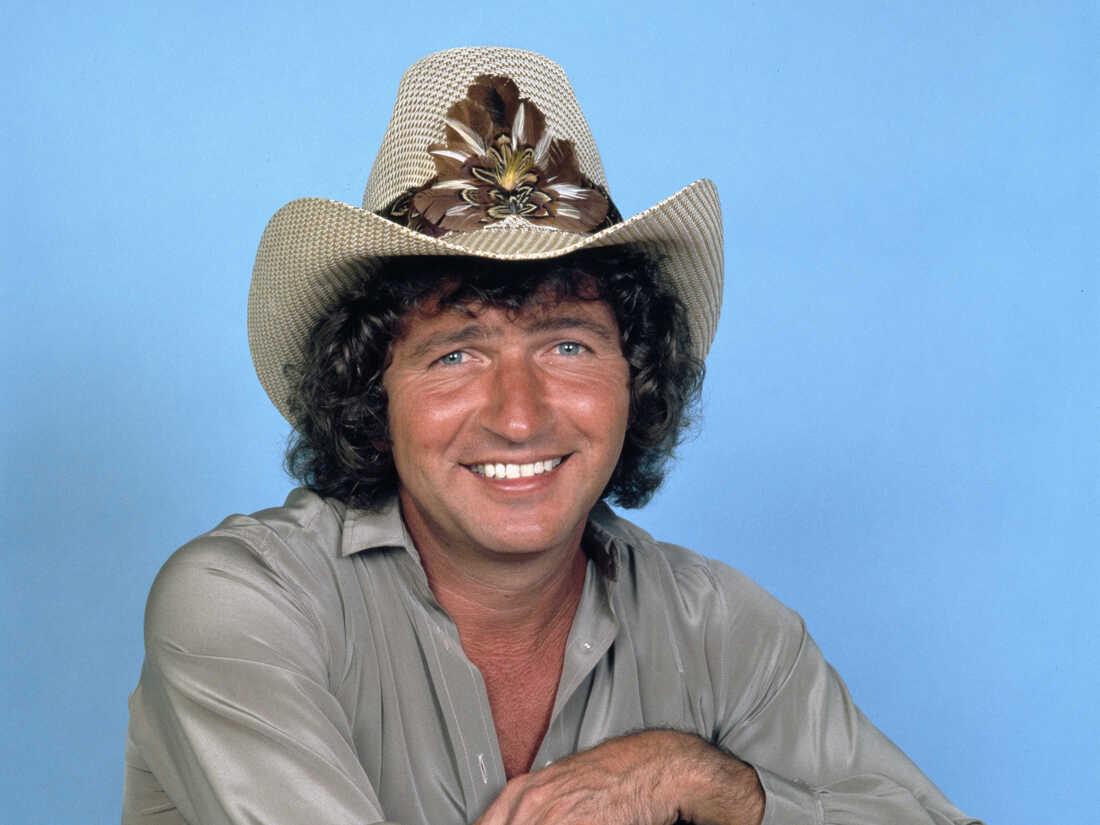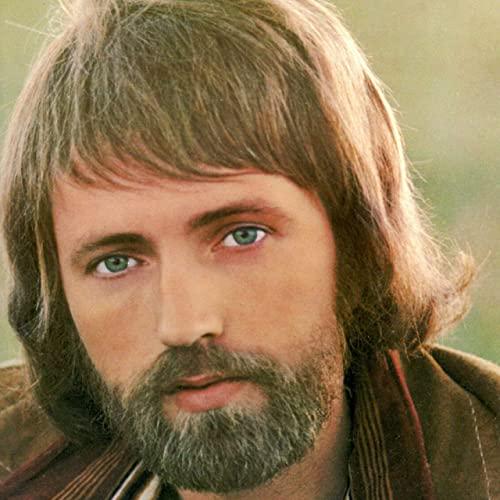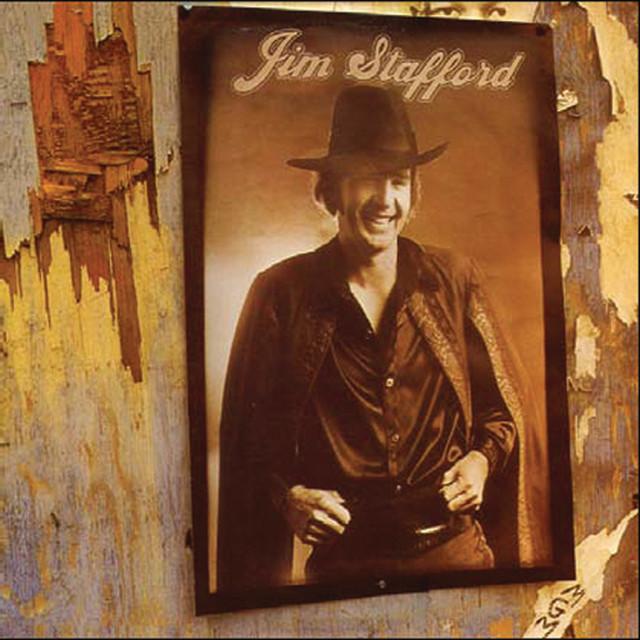
Jim Stafford

Country
Contemporary Country
Folk Rock
 Viberate Rank: 80441
 Viberate Rank: 80441
 Monthly ListenersFollowers
 Subscribers
 Followers
 Followers
 FansTop Spotify Songs
| Track | 7-Day Streams | |
|---|---|---|
1 | 9.65K | |
2 | 7.70K | |
3 | 2.95K | |
4 | 2.67K | |
5 | 1.52K |
Top YouTube VideosMonthly ListenersFeatured in Playlists| Playlist | Followers | |
|---|---|---|
1 |  The Old Western Cowboy Shane | 34.98K |
2 | For Adults: 420 weed music thejebba | 12.49K |
3 | My 70's Easy Listening molliedollie123 | 9.38K |
4 |  NASA wake-up music DJ Fuerte | 9.03K |
5 |  1974 - Billboard Top 100 Songs Sam Hudachek | 8.43K |
Audience| City | Monthly Listeners | |
|---|---|---|
1 | | 1.03K |
2 | | 892 |
3 | | 843 |
4 | | 701 |
5 |  | 694 |
See full performance history, audience data, playlist activity, rankings, comparisons, and more in Viberate music analytics. Start with a free trial, then continue with a paid plan.
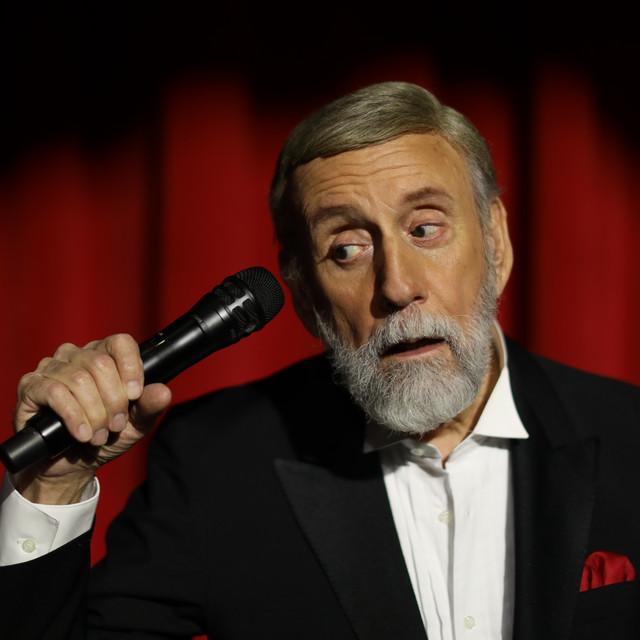
Jim Stafford’s Spotify BioBest known for his humorous country novelty songs of the mid-'70s, multi-instrumentalist Jim Stafford also enjoyed a lengthy career as a television personality and live entertainer. Stafford was born in 1944 in the Florida town of Eloise, near Winter Haven, and learned guitar from his father. He started playing in local bands as a teenager, including one, the Legends, that included future country-rock legend Gram Parsons, as well as Kent LaVoie, who would later become singer/songwriter Lobo. After high school, Stafford moved to Nashville and joined Jumpin' Bill Carlisle's backing band. He also worked on his songwriting and recorded some demos of his tunes, despite his distaste for his own singing voice. During one session, he developed the one-man band act that would later become part of his live performances, thanks to a drummer who abruptly walked out.
Stafford was performing in Clearwater, FL, when he ran into Lobo and asked if he would consider recording Stafford's original "The… Swamp Witch." Lobo suggested that Stafford record it himself, and helped him land a contract with MGM; he would later produce many of Stafford's singles as well. "The Swamp Witch" scraped the bottom of the Top 40 in 1973, but it was the following year's "Spiders and Snakes" -- a song co-written with David Bellamy of the Bellamy Brothers -- that brought Stafford into the big time. The song peaked at number three on the pop charts, went gold, and helped make Stafford a household name. His sense of humor was also showcased on the follow-up hits "My Girl Bill" and "Wildwood Weed," the latter another Top Ten pop hit, and he charted in the Top 40 again in 1975 with "Your Bulldog Drinks Champagne" and "I Got Stoned and I Missed It."
By that time, Stafford was enough of a celebrity to get his own short-lived prime-time variety show, which ran during the summer of 1975. It was there that he met singer Bobbie Gentry, whom he married and later, in 1980, divorced. In 1981, Stafford appeared in the Clint Eastwood movie Any Which Way but Loose and contributed his last chart single, "Cow Patti," to the soundtrack. The following year, he wrote three songs for Disney's animated feature The Fox and the Hound. He hosted two television programs, Those Amazing Animals and Nashville on the Road, in the early '80s and later in the decade served as a writer for the Smothers Brothers' return to prime-time television. In the meantime, he continued to tour and recorded a few one-off singles for various labels. In 1990, he settled in Branson, MO, which has since become a mecca for country music and family entertainment; he currently owns his own theater there and plays over 350 shows a year. ~ Steve Huey, Rovi
Viberate is a music analytics platform built for A&Rs, artist managers, labels, booking agents, marketers, and artists.
It helps music professionals track artist growth, analyze audience data, monitor playlist activity, compare artists, follow song performance, and identify opportunities across the music market.
Public artist pages provide a free preview of selected artist data. Paid plans provide access to deeper analytics, historical data, charts, comparisons, playlist tools, exports, alerts, reports, and additional professional features.
Yes. Public Viberate artist pages provide selected artist analytics and music data for free.
Viberate also offers a 7-day free trial of the full platform. A credit card is required to start the trial. The trial includes access to the complete product so users can test deeper artist analytics, historical views, playlist insights, comparisons, charts, exports, alerts, and reporting features before choosing a paid plan.
Viberate provides artist analytics across streaming, playlists, social media, video, radio airplay, songs, and audience markets.
Users can analyze Spotify performance, Spotify and Apple Music playlists, YouTube activity, TikTok and Instagram growth, radio spins, song performance, audience locations, demographics, rankings, and overall artist momentum.
Artist profiles also connect to music charts, similar artists, and comparison tools, helping users benchmark performance and evaluate artists in context.
Viberate updates key artist and track data daily.
For followed artists and tracks, selected data is refreshed multiple times per day. This helps teams monitor playlist changes, streaming movement, audience growth, releases, and campaign performance with more current data.
Update frequency can vary depending on the metric and data source.
Yes. Viberate lets users compare up to five artists side by side across streaming, social media, audience, and engagement metrics.
Users can compare fanbase growth, audience demographics, locations, Spotify performance, social metrics, and other artist data over selected time periods.
Artist comparison can be used for A&R scouting, benchmarking, booking decisions, campaign planning, and evaluating artists with similar audiences or market positions.