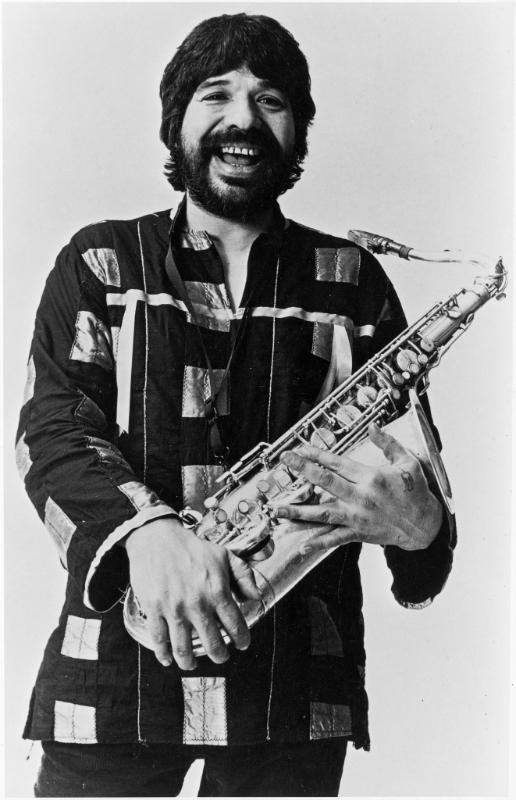
Jim Pepper

Jazz
Jazz Fusion
Free Jazz
 Viberate Rank: 377742
 Viberate Rank: 377742
 Monthly ListenersFollowers
 Subscribers
 Followers
 Followers
 FansTop Spotify Songs
| Track | 7-Day Streams | |
|---|---|---|
1 | 762 | |
2 | 405 | |
3 | 245 | |
4 | 186 | |
5 | 178 |
Top YouTube VideosMonthly ListenersFeatured in Playlists| Playlist | Followers | |
|---|---|---|
1 | ECM RECORDS (best) Alex Soukiouroglou | 16.98K |
2 |  700+ Languages - Multilanguage One Song Each Matthew Bofenkamp | 12.39K |
3 |  FM4 Sunny Side Up (Update every Sunday) johannespuntigam | 9.46K |
4 |  ECM Records: 1001 - 1999 Ulysses' Classical | 6.47K |
5 |  DIVA – celebrating the power and creativity of iconic performers Victoria and Albert Museum | 4.40K |
Audience| City | Monthly Listeners | |
|---|---|---|
1 |  | 89 |
2 | | 79 |
3 |  | 54 |
4 | | 52 |
5 |  | 51 |
See full performance history, audience data, playlist activity, rankings, comparisons, and more in Viberate music analytics. Start with a free trial, then continue with a paid plan.
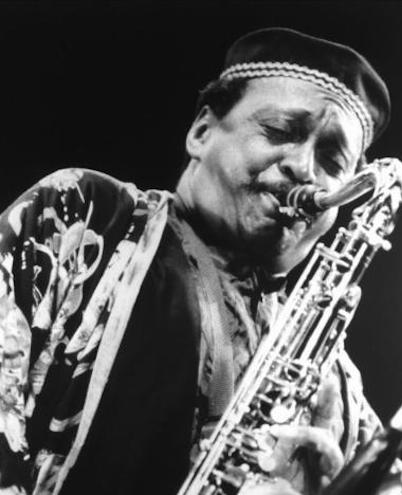
Jim Pepper’s Spotify BioJim Pepper will always be best remembered for his popular recording of "Witchi-Tai-To," a peyote chant put to music. Pepper, who is definitively profiled in the hour-long documentary Pepper's Pow Wow (available on video), infused advanced jazz with the influence of his Native American heritage. The son of a father who also played saxophone, Pepper early in life loved to tap dance. He largely taught himself both tenor and clarinet, developing a soulful sound and keeping his style open to both free expression and the influence of world music. Pepper grew up in Oklahoma and moved to New York in the mid-'60s. He was a major part of one of the first fusion groups, Free Spirits, which made a record for ABC/Paramount in 1967. Pepper, who played in the "Everything Is Everything" band in the late '60s, was encouraged by Ornette Coleman and Don Cherry to put more of his heritage into his music. Jim Pepper worked with Cherry, Dewey Redman, Charlie Haden's Liberation Music Orchestra, and his own… bands. He recorded with Paul Motian and Bob Moses, and led a session apiece for Europa (1984) and Enja (1987). Pepper passed away at the age of 50 from lymphoma. ~ Scott Yanow, Rovi
Viberate is a music analytics platform built for A&Rs, artist managers, labels, booking agents, marketers, and artists.
It helps music professionals track artist growth, analyze audience data, monitor playlist activity, compare artists, follow song performance, and identify opportunities across the music market.
Public artist pages provide a free preview of selected artist data. Paid plans provide access to deeper analytics, historical data, charts, comparisons, playlist tools, exports, alerts, reports, and additional professional features.
Yes. Public Viberate artist pages provide selected artist analytics and music data for free.
Viberate also offers a 7-day free trial of the full platform. A credit card is required to start the trial. The trial includes access to the complete product so users can test deeper artist analytics, historical views, playlist insights, comparisons, charts, exports, alerts, and reporting features before choosing a paid plan.
Viberate provides artist analytics across streaming, playlists, social media, video, radio airplay, songs, and audience markets.
Users can analyze Spotify performance, Spotify and Apple Music playlists, YouTube activity, TikTok and Instagram growth, radio spins, song performance, audience locations, demographics, rankings, and overall artist momentum.
Artist profiles also connect to music charts, similar artists, and comparison tools, helping users benchmark performance and evaluate artists in context.
Viberate updates key artist and track data daily.
For followed artists and tracks, selected data is refreshed multiple times per day. This helps teams monitor playlist changes, streaming movement, audience growth, releases, and campaign performance with more current data.
Update frequency can vary depending on the metric and data source.
Yes. Viberate lets users compare up to five artists side by side across streaming, social media, audience, and engagement metrics.
Users can compare fanbase growth, audience demographics, locations, Spotify performance, social metrics, and other artist data over selected time periods.
Artist comparison can be used for A&R scouting, benchmarking, booking decisions, campaign planning, and evaluating artists with similar audiences or market positions.