Jim Kweskin

Country
Bluegrass
Newgrass
 Viberate Rank: 315503
 Viberate Rank: 315503
 Monthly ListenersFollowers
 Subscribers
 Followers
 Followers
 FansTop Spotify Songs
| Track | 7-Day Streams | |
|---|---|---|
1 | 461 | |
2 | 241 | |
3 | 173 | |
4 | 143 | |
5 | 123 |
Top YouTube VideosMonthly ListenersFeatured in Playlists| Playlist | Followers | |
|---|---|---|
1 | Swing Dance Ivan Zdravkov | 25.88K |
2 |  LINDY HOP Dance Music Li Smuki | 22.77K |
3 |  1971 - Never A Dull Moment dhepworth | 4.99K |
4 |  The Complete, Chronological Bob Dylan lucashare | 4.58K |
5 |  Collegiate Shag - Faster and faster Rafał Rendak | 3.45K |
Audience| City | Monthly Listeners | |
|---|---|---|
1 | | 53 |
2 |  | 37 |
3 | | 37 |
4 | | 32 |
5 | | 32 |
See full performance history, audience data, playlist activity, rankings, comparisons, and more in Viberate music analytics. Start with a free trial, then continue with a paid plan.
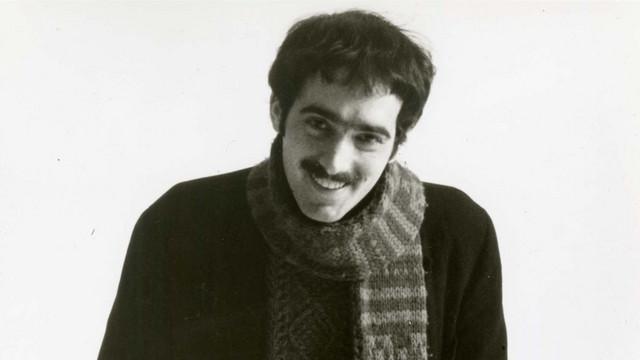
Jim Kweskin’s Spotify BioThe fun side of folk music was explored by the Jim Kweskin Jug Band. During the five years they were together, they successfully transformed the sounds of pre-World War II rural music into a springboard for their good-humored performances. A communal-like musical ensemble, the Kweskin Jug Band were formed by Jim Kweskin, who had been inspired by a folk group, the Hoppers, featuring washtub bass player John "Fritz" Richmond. As a student at Boston University, Kweskin would often attend the Hoppers' performances at Cafe Yana in Harvard Square, learning much about guitar fingerpicking by watching the bandmembers' fingers. After Richmond was drafted into the U.S. Army, serving time in Korea and Europe, Kweskin began to frequent other folk clubs in Cambridge and Boston. Before long, he was playing guitar well enough to perform English and Appalachian ballads in folk coffeehouses.
Although Kweskin temporarily left for California, he returned to Cambridge, along with his wife Marilyn and dog… Agatha, and resumed his musical career. A split-bill booking with blues enthusiast Geoff Muldaur at the Community Church in Boston on February 3, 1963, proved a turning point. In addition to performing their own sets, Kweskin and Muldaur played several songs together. When Kweskin was invited by Maynard Solomon of Vanguard Records to record with a band, he immediately remembered Muldaur. Together with Fritz Richmond and banjo and harmonica player Mel Lyman, Kweskin assembled the original Kweskin Jug Band. The group was a smash from the onset and was quickly signed to a record contract by Vanguard.
During a two-week stint at the Bottom Line in New York, Maria D'Amato, fiddler and vocalist for the New York-based Even Dozen Jug Band, attended a show, became enamored of Muldaur, and accepted an invitation to move to Cambridge and join the Kweskin Jug Band. D'Amato and Muldaur were soon married. Shortly after the Kweskin Jug Band performed on the nationally aired Steve Allen Show on March 4, 1964, Lyman left the band and was replaced by banjo wiz Bill Keith, who had just left a gig with Bill Monroe's Bluegrass Boys.
The Kweskin Jug Band continued to bring their unique style of folk music to a national audience, appearing on The Roger Miller Show and The Al Hirt Show. Although Kweskin planned to move to California, the group left Vanguard and signed with Reprise, and virtuosic fiddler Richard Greene was added to the band. Just when it looked as though the Kweskin Jug Band were going to become commercially successful, Kweskin, who had moved into Lyman's commune in Fort Hill, a rundown section of Boston, shaved off his trademark mustache and announced that he was breaking up the group.
In the aftermath of the Kweskin Jug Band's demise, Kweskin continued to work as a soloist, and he formed the U & I Band in the mid-'80s. By 2003 he could be heard leading the Jim Kweskin Band (featuring vocalist Samoa Wilson) on the album Now and Again, released by the Blix Street label (which also released Kweskin's solo album Enjoy Yourself [It's Later Than You Think], also including Wilson, in 2009). Richmond went on to become a well-respected recording engineer and producer. Geoff & Maria Muldaur recorded several memorable duo albums before their marriage dissolved in the 1970s, and through her subsequent solo career Maria Muldaur became the most well-known alumnus of the Kweskin group in the years to follow. Keith resumed his partnership with guitarist and vocalist Jim Rooney. In addition to working on each others' albums, Keith and Rooney were instrumental in forming a folk supergroup, the Woodstock Mountain Revue. Lyman, who ran his commune as a cult, disappeared under still mysterious circumstances.
While Kweskin was largely inactive as a recording artist during the '80s and '90s, he became prolific in the 21st century, returning to the studio to cut the 2003 album Now and Again, a collaboration with Samoa Wilson. In 2010, Kweskin was one of several artists (along with Geoff Muldaur, Maria Muldaur, David Grisman, and John Sebastian) who appeared on the album Jug Band Extravaganza, recorded during a concert honoring the modern-day jug band movement. The year 2015 saw the release of Kweskin's In the 21st Century, and the live album Come on In, which documented a performance with Meredith Axelrod, was issued in 2016. Later that same year, Kweskin and Geoff Muldaur reunited for a studio album, Penny's Farm. ~ Craig Harris, Rovi
Viberate is a music analytics platform built for A&Rs, artist managers, labels, booking agents, marketers, and artists.
It helps music professionals track artist growth, analyze audience data, monitor playlist activity, compare artists, follow song performance, and identify opportunities across the music market.
Public artist pages provide a free preview of selected artist data. Paid plans provide access to deeper analytics, historical data, charts, comparisons, playlist tools, exports, alerts, reports, and additional professional features.
Yes. Public Viberate artist pages provide selected artist analytics and music data for free.
Viberate also offers a 7-day free trial of the full platform. A credit card is required to start the trial. The trial includes access to the complete product so users can test deeper artist analytics, historical views, playlist insights, comparisons, charts, exports, alerts, and reporting features before choosing a paid plan.
Viberate provides artist analytics across streaming, playlists, social media, video, radio airplay, songs, and audience markets.
Users can analyze Spotify performance, Spotify and Apple Music playlists, YouTube activity, TikTok and Instagram growth, radio spins, song performance, audience locations, demographics, rankings, and overall artist momentum.
Artist profiles also connect to music charts, similar artists, and comparison tools, helping users benchmark performance and evaluate artists in context.
Viberate updates key artist and track data daily.
For followed artists and tracks, selected data is refreshed multiple times per day. This helps teams monitor playlist changes, streaming movement, audience growth, releases, and campaign performance with more current data.
Update frequency can vary depending on the metric and data source.
Yes. Viberate lets users compare up to five artists side by side across streaming, social media, audience, and engagement metrics.
Users can compare fanbase growth, audience demographics, locations, Spotify performance, social metrics, and other artist data over selected time periods.
Artist comparison can be used for A&R scouting, benchmarking, booking decisions, campaign planning, and evaluating artists with similar audiences or market positions.