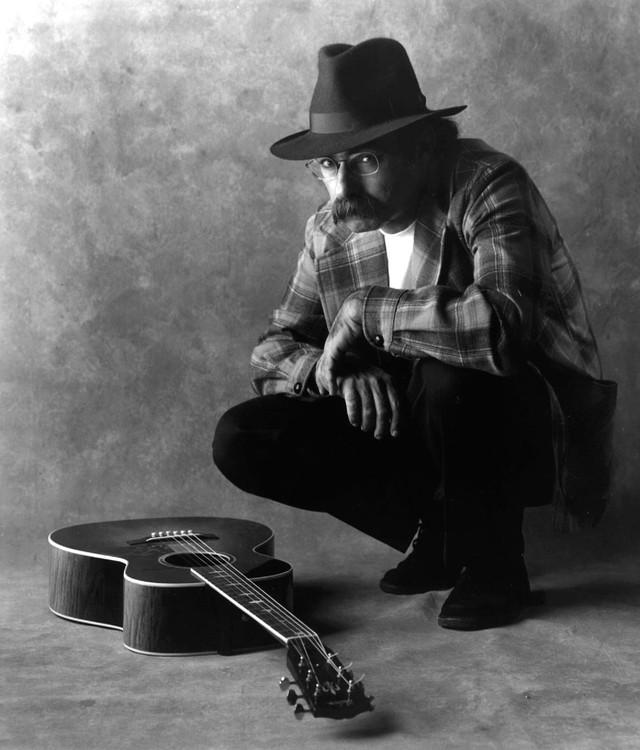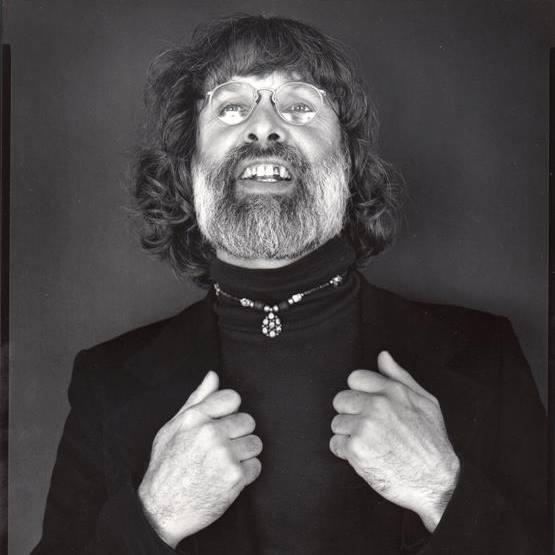
Happy Traum

Rock
Folk Rock
Americana/Alt Country
 Viberate Rank: 316176
 Viberate Rank: 316176
 Monthly ListenersFollowers
 Subscribers
 Followers
 Followers
 FansTop Spotify Songs
| Track | 7-Day Streams | |
|---|---|---|
1 | 713 | |
2 | 187 | |
3 | 147 | |
4 | 60 | |
5 | 60 |
Top YouTube Videos| Video | 7-Day Views | |
|---|---|---|
1 | 240 | |
2 | 201 | |
3 | 110 | |
4 | 87 | |
5 | 81 |
Monthly ListenersFeatured in Playlists| Playlist | Followers | |
|---|---|---|
1 |  Folksy Christmas Spotify | 137.84K |
2 |  Bob Dylan Covers manacc | 5.02K |
3 |  The Complete, Chronological Bob Dylan lucashare | 4.58K |
4 | 10000 Maniacs and Natalie Merchant Torrence King | 1.91K |
5 | MUSIQUE DOUCE ENFANTS Emmanuelle Haguet | 1.54K |
Audience| City | Monthly Listeners | |
|---|---|---|
1 |  | 22 |
2 | | 20 |
3 |  | 17 |
4 | | 15 |
5 | | 13 |
See full performance history, audience data, playlist activity, rankings, comparisons, and more in Viberate music analytics. Start with a free trial, then continue with a paid plan.
Happy Traum’s Spotify BioAmerican folk musician Harry Peter "Happy" Traum was a linchpin of the Greenwich Village music scene of the 1960s and the post-Woodstock artistic movement of the '70s and '80s. His influence was not limited to his music; he also served as editor of Sing Out! magazine, a significant platform in the folk music community. Additionally, he ran Homespun Tapes, a company that sold instructional tapes narrated by well-known folk and rock artists for over 40 years.
Born in the Bronx on May 9, 1938, Traum attended the High School of Music and Art and later received his bachelor's degree at New York University. As a teen, he attended music gatherings at Washington Square Park in Greenwich Village, eventually joining that thriving community. His first recorded output appeared in 1962 with the release of Folkways' Broadside Ballads, Vol. 1, featuring Bob Dylan, Phil Ochs, Pete Seeger, Peter LaFarge, and the Freedom Singers. He was a member of the New World Singers, who cut the first recorded… version of Dylan's "Blowing in the Wind" in 1963 -- Traum's musical relationship with Dylan would stretch into the '70s and '80s. He formed a short-lived folk-rock band in the mid-'60s called the Children of Paradise with his brother Artie, Eric Kaz, and others, and later worked with Artie as one half of Happy and Artie Traum, who went on to issue four studio albums: Happy and Artie Traum (1969), Double Back (1971), Hard Times in the Country (1975), and The Test of Time (1994).
A talented blues guitarist known for his deft fingerpicking -- he spent several years under the tutelage of folk and Piedmont blues singer and guitarist Brownie McGhee -- Traum's solo efforts, which include Relax Your Mind (1975), American Stranger (1977), Buckets of Songs (1987), and I Walk the Road Again (2005) showcased his deep understanding of classic and contemporary folk styles, and how they were shaped by American roots music. Traum's last solo album, There's a Bright Side Somewhere, appeared in 2022, two years before his death from cancer on July 17, 2024. ~ William Ruhlmann & James Christopher Monger, Rovi
Viberate is a music analytics platform built for A&Rs, artist managers, labels, booking agents, marketers, and artists.
It helps music professionals track artist growth, analyze audience data, monitor playlist activity, compare artists, follow song performance, and identify opportunities across the music market.
Public artist pages provide a free preview of selected artist data. Paid plans provide access to deeper analytics, historical data, charts, comparisons, playlist tools, exports, alerts, reports, and additional professional features.
Yes. Public Viberate artist pages provide selected artist analytics and music data for free.
Viberate also offers a 7-day free trial of the full platform. A credit card is required to start the trial. The trial includes access to the complete product so users can test deeper artist analytics, historical views, playlist insights, comparisons, charts, exports, alerts, and reporting features before choosing a paid plan.
Viberate provides artist analytics across streaming, playlists, social media, video, radio airplay, songs, and audience markets.
Users can analyze Spotify performance, Spotify and Apple Music playlists, YouTube activity, TikTok and Instagram growth, radio spins, song performance, audience locations, demographics, rankings, and overall artist momentum.
Artist profiles also connect to music charts, similar artists, and comparison tools, helping users benchmark performance and evaluate artists in context.
Viberate updates key artist and track data daily.
For followed artists and tracks, selected data is refreshed multiple times per day. This helps teams monitor playlist changes, streaming movement, audience growth, releases, and campaign performance with more current data.
Update frequency can vary depending on the metric and data source.
Yes. Viberate lets users compare up to five artists side by side across streaming, social media, audience, and engagement metrics.
Users can compare fanbase growth, audience demographics, locations, Spotify performance, social metrics, and other artist data over selected time periods.
Artist comparison can be used for A&R scouting, benchmarking, booking decisions, campaign planning, and evaluating artists with similar audiences or market positions.