Geoff Muldaur

Rock
Folk Rock
Country Blues
Pop Rock
 Viberate Rank: 409359
 Viberate Rank: 409359
 Monthly ListenersFollowers
 Subscribers
 Followers
 Followers
 FansTop Spotify Songs
| Track | 7-Day Streams | |
|---|---|---|
1 | 237 | |
2 | 114 | |
3 | 38 | |
4 | 37 | |
5 | 28 |
Top YouTube VideosMonthly ListenersFeatured in Playlists| Playlist | Followers | |
|---|---|---|
1 |  Smithsonian Folkways Doran McBride | 8.59K |
2 |  Newport Folk Festival 1963-1965 jonas anderson navarro | 2.08K |
3 |  This Is Maria Muldaur Spotify | 1.78K |
4 | A History of Rock Music in 500 songs Jocelyn Duchesne | 1.45K |
5 | ピーターバラカン howlinwolfsunhouse | 1.06K |
Audience| City | Monthly Listeners | |
|---|---|---|
1 |  | 15 |
2 |  | 14 |
3 |  | 13 |
4 | | 12 |
5 | | 12 |
See full performance history, audience data, playlist activity, rankings, comparisons, and more in Viberate music analytics. Start with a free trial, then continue with a paid plan.
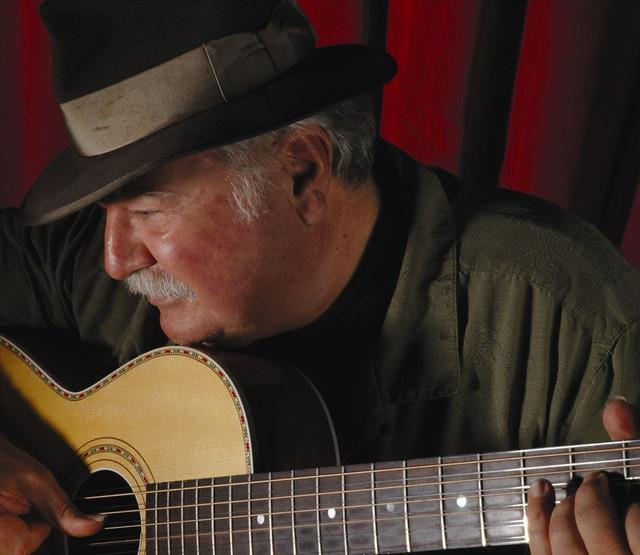
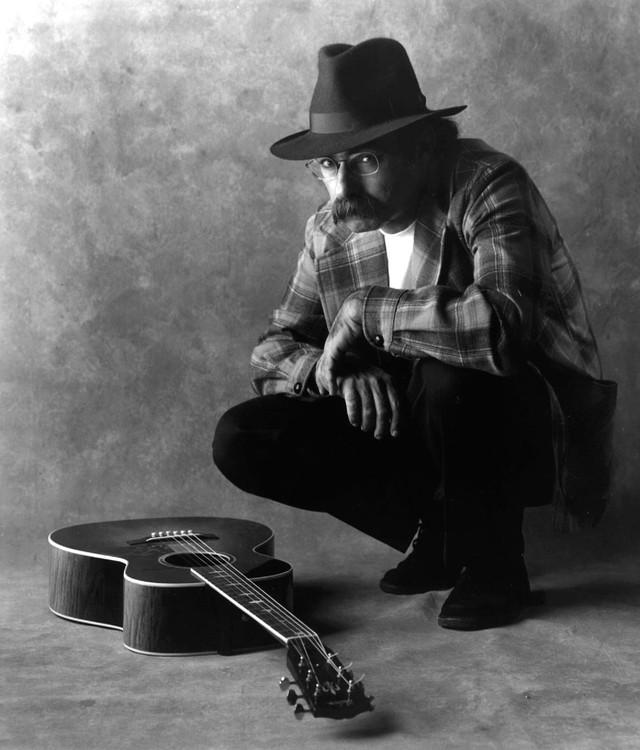
Geoff Muldaur’s Spotify BioGuitarist and singer Geoff Muldaur was one of the leading figures in the Boston folk music community in the '60s. A co-founder of the Jim Kweskin Jug Band and a member of Paul Butterfield's Better Days, Muldaur also found success alongside his then-wife Maria. He continued to release solo albums and collaborations as the decades progressed, and has enjoyed a long and well-respected career as an advocate of vintage blues, jazz, and jug band music. His blues-folk stylings are borne of respect for the music's history, from the perspective of a contemporary artist very much of his own era.
Muldaur was born in Pelham, New York on August 12, 1943. He developed a taste for music when his older brother introduced him to vintage jazz when he was five years old. At 16, he learned to play guitar and formed his first band, the Goombay Rhythm Kings, while attending prep school. He steeped himself in classic blues and folk sounds, and in 1961 he relocated to Boston, where he soon became part of the… nascent folk music scene.
In 1963, he was invited to join Jim Kweskin & the Jug Band, one of New England's leading folk groups who offered a playful interpretation of American roots music. Kweskin & the Jug Band released their self-titled debut album in 1963, and their second LP, Jug Band Music, appeared in 1965. (In between those releases, Muldaur cut a solo set for Prestige Records, Sleepy Man Blues.) By the time the second Jug Band album was recorded, Maria D'Amato had joined the group as a vocalist and fiddler. Geoff and Maria soon became romantically involved and were married in 1964. Geoff and Maria appeared on two more albums with the Jug Band, 1966's See Reverse Side for Title and 1967's Garden of Joy, before Kweskin broke up the group in 1968.
Working as a duo, Geoff and Maria relocated to Woodstock, New York, where they became part of a new musical community that included Bob Dylan, the Band, Paul Butterfield, and many other notable artists. Geoff & Maria Muldaur cut a pair of well-received albums as a duo, 1968's Pottery Pie and 1972's Sweet Potatoes, before divorce broke up the act in 1972. Geoff began producing local and national blues artists, as well as making his own recordings, beginning with 1975's Geoff Muldaur Is Having a Wonderful Time and 1976's Motion. He also cut a pair of albums with guitarist Amos Garrett, 1978's Geoff Muldaur & Amos Garrett and 1979's Live in Japan. He also composed scores for film and television, earning an Emmy in the process, and his definitive recording of "Brazil" from Pottery Pie was featured in Terry Gilliam's film of the same title.
Muldaur has toured Britain, Germany, and Ireland, and appeared at Carnegie Hall, Royal Festival Hall, the Kennedy Center, the San Francisco Blues Festival, and the Winnipeg and Edmonton Folk Festivals, and on A Prairie Home Companion. After breaking away from his solo recordings and performances in the late '80s, Muldaur returned to the studio for 1998's The Secret Handshake and 2000's Password while a live performance during this resurgence, Beautiful Isle of Somewhere, was released in 2003. He continued to record and tour into the new millennium, and reunited with Jim Kweskin for the 2016 release Penny's Farm. In 2022 he teamed up with a crew of Holland's most decorated classical and jazz musicians for His Last Letter, an innovative set of classic American folk and jazz-blues. ~ Zac Johnson & Mark Deming, Rovi
Viberate is a music analytics platform built for A&Rs, artist managers, labels, booking agents, marketers, and artists.
It helps music professionals track artist growth, analyze audience data, monitor playlist activity, compare artists, follow song performance, and identify opportunities across the music market.
Public artist pages provide a free preview of selected artist data. Paid plans provide access to deeper analytics, historical data, charts, comparisons, playlist tools, exports, alerts, reports, and additional professional features.
Yes. Public Viberate artist pages provide selected artist analytics and music data for free.
Viberate also offers a 7-day free trial of the full platform. A credit card is required to start the trial. The trial includes access to the complete product so users can test deeper artist analytics, historical views, playlist insights, comparisons, charts, exports, alerts, and reporting features before choosing a paid plan.
Viberate provides artist analytics across streaming, playlists, social media, video, radio airplay, songs, and audience markets.
Users can analyze Spotify performance, Spotify and Apple Music playlists, YouTube activity, TikTok and Instagram growth, radio spins, song performance, audience locations, demographics, rankings, and overall artist momentum.
Artist profiles also connect to music charts, similar artists, and comparison tools, helping users benchmark performance and evaluate artists in context.
Viberate updates key artist and track data daily.
For followed artists and tracks, selected data is refreshed multiple times per day. This helps teams monitor playlist changes, streaming movement, audience growth, releases, and campaign performance with more current data.
Update frequency can vary depending on the metric and data source.
Yes. Viberate lets users compare up to five artists side by side across streaming, social media, audience, and engagement metrics.
Users can compare fanbase growth, audience demographics, locations, Spotify performance, social metrics, and other artist data over selected time periods.
Artist comparison can be used for A&R scouting, benchmarking, booking decisions, campaign planning, and evaluating artists with similar audiences or market positions.