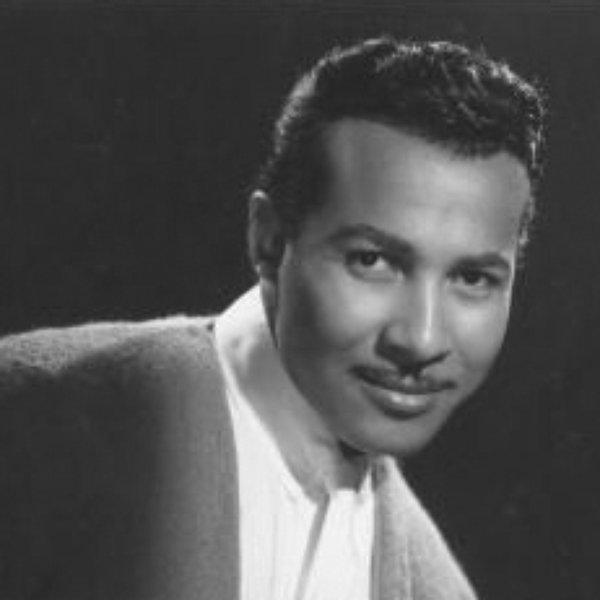
Jewel Akens

Pop
Mainstream Pop
Soul
 Viberate Rank: 182025
 Viberate Rank: 182025
 Monthly ListenersFollowers
 Subscribers
 Followers
 Followers
 FansTop Spotify Songs
| Track | 7-Day Streams | |
|---|---|---|
1 | 3.56K | |
2 | 2.05K | |
3 | 78 | |
4 | 58 | |
5 | 39 |
Top YouTube VideosMonthly ListenersFeatured in Playlists| Playlist | Followers | |
|---|---|---|
1 |  One Playlist @justin.tilley | 72.18K |
2 |  ALL TIME CLASSICS | | My Forever Favorites Damian Habraken | 57.86K |
3 |  Boerderij van Dorst BNNVARA | 47.63K |
4 | Blues Classics StevieAnn | 35.56K |
5 | Oldies But Goldies🎶🙌 Andreas (DJ Riga-cee) Rigazzi | 22.08K |
Audience| City | Monthly Listeners | |
|---|---|---|
1 |  | 292 |
2 | | 283 |
3 | | 266 |
4 |  | 213 |
5 | | 187 |
See full performance history, audience data, playlist activity, rankings, comparisons, and more in Viberate music analytics. Start with a free trial, then continue with a paid plan.
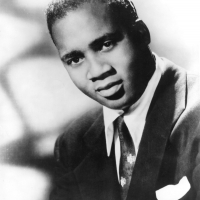
Jewel Akens’ Spotify BioDoo wop veteran Jewel Akens was born September 12, 1940, in Houston, TX. He began singing in church as a child, but was also influenced by the blues joint in his neighborhood. In the late '40s, his family moved to Los Angeles. In his teens, Akens sang with a group called the Four Dots. Introduced to Eddie Cochran's manager Jerry Capehart, the group recorded a single for Freedom Records in 1959. Later Aikens and a friend, Eddie Daniels, recorded as Akens and Daniels for Capehart's Silver and Capehart labels. Eddie Cochran played guitar on these sides as well as Akens' sides for Crest. Akens did background vocals on releases by John Ashley ("Hot Rod Gang," "High School Caesar," "2001: A Space Odyssey"). The Four Dots also recorded singles for Liberty ("Don't Wake Up the Kids," "Peace of Mind"), Bullseye, and Dot Records ("My Dear"). In 1961, Aikens and Daniels recorded an Imperial single, "Boom a Lay" b/w "Hide & Seek," as the Astro-Jets.
Akens began recording for Herb Newman's Era… Records with a group called the Turnarounds. Newman's teenaged son had written a nursery rhymish song about the birds and the bees and the label owner wanted Akens to record it. After some honing, "The Birds and the Bees" b/w "Tic Tac Toe" was issued and hit number three pop on Billboard's charts in early 1965. Another nursery rhyme-influenced song, "Georgie Porgie" b/w "Around the Corner (From My House)" peaked at number 68 pop during spring 1965. His The Birds and the Bees LP was released that same year. Though Akens kept recording (singles:"It's the Only Way to Fly" b/w "Sure Know How to Hurt a Fella" on Era, "Blue Eyed Soul Brother" b/w "Why Do You Want to Go" on Paula, "It's a Sin to Tell a Lie" b/w "You Better Move On," and a cover of Thurston Harris' "Little Bitty Pretty One" b/w "Born a Loser" [both on Colgems]), "The Birds and the Bees" and "Georgie Porgie" were his only charting singles.
Akens later toured with the Monkees and produced a 1973 duet album by Ted Taylor and Little Johnny Taylor, Super Taylors, for Stan Lewis' Paula Records. Akens also continued performing into the '90s. ~ Ed Hogan, Rovi
Viberate is a music analytics platform built for A&Rs, artist managers, labels, booking agents, marketers, and artists.
It helps music professionals track artist growth, analyze audience data, monitor playlist activity, compare artists, follow song performance, and identify opportunities across the music market.
Public artist pages provide a free preview of selected artist data. Paid plans provide access to deeper analytics, historical data, charts, comparisons, playlist tools, exports, alerts, reports, and additional professional features.
Yes. Public Viberate artist pages provide selected artist analytics and music data for free.
Viberate also offers a 7-day free trial of the full platform. A credit card is required to start the trial. The trial includes access to the complete product so users can test deeper artist analytics, historical views, playlist insights, comparisons, charts, exports, alerts, and reporting features before choosing a paid plan.
Viberate provides artist analytics across streaming, playlists, social media, video, radio airplay, songs, and audience markets.
Users can analyze Spotify performance, Spotify and Apple Music playlists, YouTube activity, TikTok and Instagram growth, radio spins, song performance, audience locations, demographics, rankings, and overall artist momentum.
Artist profiles also connect to music charts, similar artists, and comparison tools, helping users benchmark performance and evaluate artists in context.
Viberate updates key artist and track data daily.
For followed artists and tracks, selected data is refreshed multiple times per day. This helps teams monitor playlist changes, streaming movement, audience growth, releases, and campaign performance with more current data.
Update frequency can vary depending on the metric and data source.
Yes. Viberate lets users compare up to five artists side by side across streaming, social media, audience, and engagement metrics.
Users can compare fanbase growth, audience demographics, locations, Spotify performance, social metrics, and other artist data over selected time periods.
Artist comparison can be used for A&R scouting, benchmarking, booking decisions, campaign planning, and evaluating artists with similar audiences or market positions.