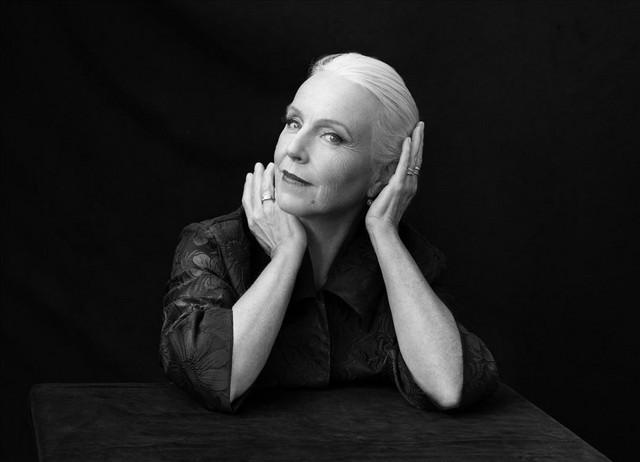
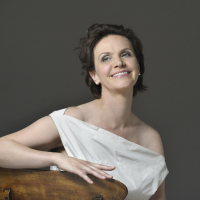
Barbara Bonney

Classical
Opera
Choral
 Viberate Rank: 120620
 Viberate Rank: 120620
 Monthly ListenersFollowers
 Subscribers
 Followers
 Followers
 FansTop Spotify SongsTop YouTube Videos
| Video | 7-Day Views | |
|---|---|---|
1 | 584 | |
2 | 48 | |
3 | 33 | |
4 | 23 | |
5 | 16 |
Monthly ListenersFeatured in Playlists| Playlist | Followers | |
|---|---|---|
1 |  Mozart - Best of Deutsche Grammophon (DG) | 166.89K |
2 |  This Is Schubert Spotify | 155.91K |
3 |  This Is Haydn Spotify | 91.91K |
4 |  Most Famous Classical Pieces Ever TenlomNalo | 70.86K |
5 | Introduction to Classical Music gauravkumar87 | 32.53K |
Audience| City | Monthly Listeners | |
|---|---|---|
1 |  | 2.90K |
2 |  | 2.78K |
3 |  | 2.12K |
4 |  | 1.91K |
5 |  | 1.77K |
See full performance history, audience data, playlist activity, rankings, comparisons, and more in Viberate music analytics. Start with a free trial, then continue with a paid plan.
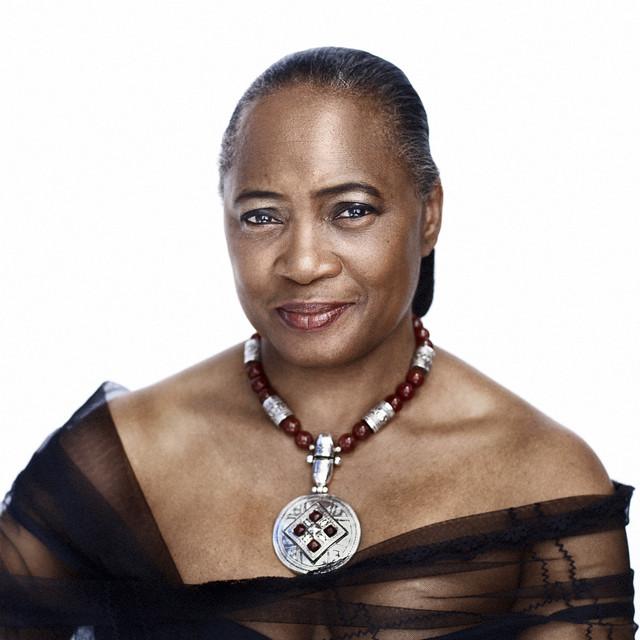
Barbara Bonney’s Spotify BioBarbara Bonney has achieved equal success in art song, oratorio, modern vocal music, and opera. Her small but well-projected voice is especially suited to Mozart, the lighter Richard Strauss operas, and all but the heaviest lieder, and she has been careful in her choice of repertoire; even in her forties, she could still call forth a fresh, girlish timbre when it was needed.
Her family was not a musical one, and it was only by chance that her parents discovered she had perfect pitch and a sense of music -- when she was three, they noticed that she could perfectly imitate musical noises, such as the melody that one of the household clocks chimed. When she was older, she started piano, but found that she preferred the more songful tones of the cello. It was an interest in German that led to her singing career -- as a college student at the University of New Hampshire she decided to spend a year studying at the University of Salzburg. She worked a wide variety of jobs to support herself,… including cooking, selling produce at a vegetable stand, and copying music, and one day a friend suggested that she audition for the famed Mozarteum orchestra there. She hadn't brought her cello overseas with her, since the costs of shipping were prohibitive, so instead she prepared a song for her audition, and was offered a position as a lieder student. Spurred on by this success, she auditioned for the Darmstadt Opera (knowing only two arias out of the entire operatic repertoire), and was given the ingenue role of Anna in Nicolai's Die Lustigen Weiber von Windsor (The Merry Wives of Windsor). During her years with the company, she learned over 40 operatic roles.
In 1984, she made her Vienna State Opera debut as Sophie in Richard Strauss's Der Rosenkavalier, a role which was to become one of her most famous. Another characteristic role, that of Pamina in Mozart's Die Zauberflõte, she first undertook in her 1985 La Scala debut. In 1987, she sang Sophie at Monte Carlo, which brought her to the attention of conductor Carlos Kleiber. Lucia Popp, too, greatly admired her Sophie, and when Popp relinquished the role, moving on to the Marschallin, she declared that she was passing it on to Bonney. Her Met debut was in 1988, as Naiad in Strauss's Ariadne auf Naxos. During the 1990s, increasingly able to pick and choose what roles and repertoire she would sing, she began to reduce her operatic roles to a few of her special favorites, such as Pamina, Susanna (in Mozart's Le nozze di Figaro), and Ilia (in his Idomeneo), and adding a few new roles, such as Zdenka in Strauss's Arabella and Hanna Glawari (in Lehár's Die lustige Witwe [The Merry Widow]). Like Popp, she chose to drop the role of Sophie, leaving it for younger singers. This would allow her to spend more time singing lieder performances, and also to teach.
She was briefly married to baritone Hakan Hagegard. Among her recordings, her Mozart arias (London) and Schubert lieder (Teldec) capture her voice and singing quite well.
Viberate is a music analytics platform built for A&Rs, artist managers, labels, booking agents, marketers, and artists.
It helps music professionals track artist growth, analyze audience data, monitor playlist activity, compare artists, follow song performance, and identify opportunities across the music market.
Public artist pages provide a free preview of selected artist data. Paid plans provide access to deeper analytics, historical data, charts, comparisons, playlist tools, exports, alerts, reports, and additional professional features.
Yes. Public Viberate artist pages provide selected artist analytics and music data for free.
Viberate also offers a 7-day free trial of the full platform. A credit card is required to start the trial. The trial includes access to the complete product so users can test deeper artist analytics, historical views, playlist insights, comparisons, charts, exports, alerts, and reporting features before choosing a paid plan.
Viberate provides artist analytics across streaming, playlists, social media, video, radio airplay, songs, and audience markets.
Users can analyze Spotify performance, Spotify and Apple Music playlists, YouTube activity, TikTok and Instagram growth, radio spins, song performance, audience locations, demographics, rankings, and overall artist momentum.
Artist profiles also connect to music charts, similar artists, and comparison tools, helping users benchmark performance and evaluate artists in context.
Viberate updates key artist and track data daily.
For followed artists and tracks, selected data is refreshed multiple times per day. This helps teams monitor playlist changes, streaming movement, audience growth, releases, and campaign performance with more current data.
Update frequency can vary depending on the metric and data source.
Yes. Viberate lets users compare up to five artists side by side across streaming, social media, audience, and engagement metrics.
Users can compare fanbase growth, audience demographics, locations, Spotify performance, social metrics, and other artist data over selected time periods.
Artist comparison can be used for A&R scouting, benchmarking, booking decisions, campaign planning, and evaluating artists with similar audiences or market positions.