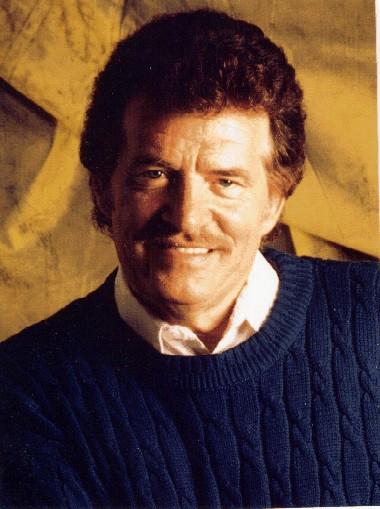
Ronnie Dove

Country
Contemporary Country
Smooth Jazz
 Viberate Rank: 137558
 Viberate Rank: 137558
 Monthly ListenersFollowers
 Subscribers
 Followers
 Followers
 FansTop Spotify Songs
| Track | 7-Day Streams | |
|---|---|---|
1 | 5.49K | |
2 | 5.31K | |
3 | 4.42K | |
4 | 3.02K | |
5 | 2.91K |
Top YouTube VideosMonthly ListenersFeatured in Playlists| Playlist | Followers | |
|---|---|---|
1 | alexmarilyn | 7.88K |
2 |  OLDIES, Easy Listening Daniel | 3.29K |
3 |  Cosmic Country Daniel Donato | 3.11K |
4 |  1960s HUGE playlist (45 hours of magic!) 60s Nineteen Sixties 1960 DeeDee | 1.86K |
5 | Carolina Beach and Shag Music Dee Turner | 1.76K |
Audience| City | Monthly Listeners | |
|---|---|---|
1 |  | 451 |
2 | | 436 |
3 | | 340 |
4 |  | 326 |
5 | | 293 |
See full performance history, audience data, playlist activity, rankings, comparisons, and more in Viberate music analytics. Start with a free trial, then continue with a paid plan.
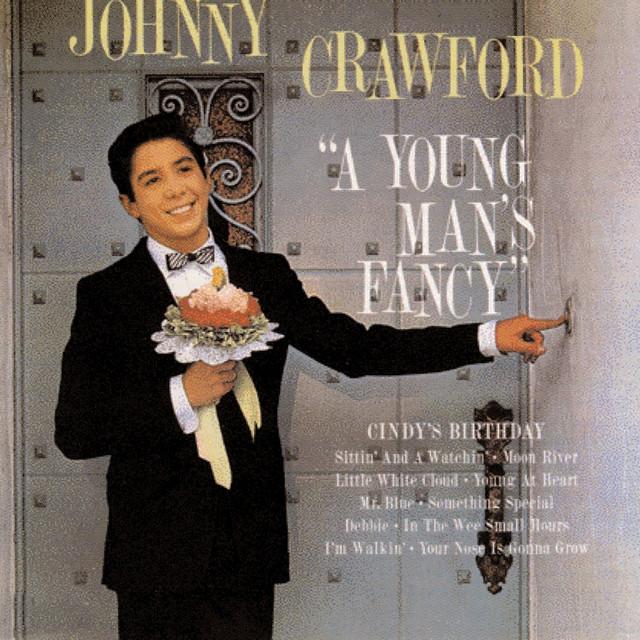
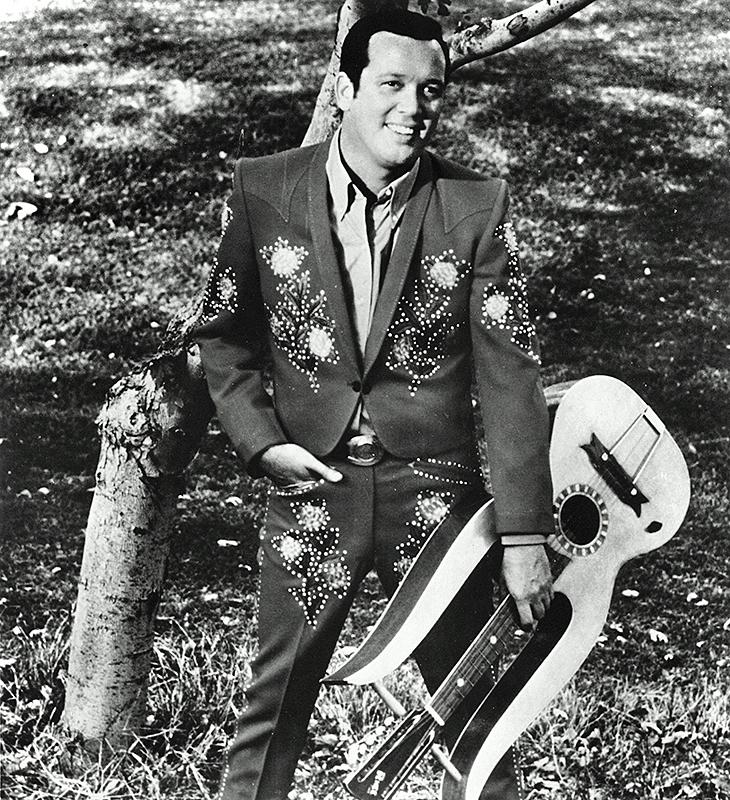
Ronnie Dove’s Spotify BioA crooner with a strong, flexible tenor voice that is well-suited to pop or country tunes, Ronnie Dove was born in Herndon, Virginia, where he first developed a love for singing as a member of his high school's glee club, but the pubs of Baltimore were his performance training ground. After a stint in the Coast Guard, he formed Ronnie Dove & the Belltones, and the group gigged throughout Baltimore and the East Coast for the next four years. In 1959, the band cut the single "Lover Boy" as its debut release; their only other recorded output was a cover of Buddy Knox's "Party Doll" for Decca in 1963. Dove left the Belltones soon after and landed in Nashville. There he signed a contract with the Diamond label and released his first solo single, "Sweeter Than Sugar." But it was 1964's "Say You" that really established Dove. The tune broke into the Top 20 and began a series of major pop hits. In 1965 alone, Dove scored five hits, with all but one cracking the Top 20 or higher. He repeated… this feat in 1965, and appeared on the Ed Sullivan Show in 1967, but his years as a pop star were nearing an end. He took a break from his musical career, but returned in 1971, signing a new deal with Decca. This time around, Dove scored two minor hits on the country charts with "Kiss the Hurt Away" (1972) and "Lilacs in Winter" (1973). He then signed to Melodyland Records in 1975, and had two more hits, including "Things," which rose to 25 on the C&W charts. With the advent of oldies radio in the 1980s, Dove's star rose again, and the vocalist toured frequently. He even re-signed with Diamond in 1987 and had one final entry on the country charts with "Rise and Shine." Dove continued to perform in the Baltimore area and nationwide throughout the '90s and early 2000s, until he announced his retirement in 2013. Numerous collections of his past hits have been released, including 2014's The Complete Original Chart Hits 1964-1969 from Real Gone Music, and a collection of Christmas tunes through his official website. ~ Johnny Loftus, Rovi
Viberate is a music analytics platform built for A&Rs, artist managers, labels, booking agents, marketers, and artists.
It helps music professionals track artist growth, analyze audience data, monitor playlist activity, compare artists, follow song performance, and identify opportunities across the music market.
Public artist pages provide a free preview of selected artist data. Paid plans provide access to deeper analytics, historical data, charts, comparisons, playlist tools, exports, alerts, reports, and additional professional features.
Yes. Public Viberate artist pages provide selected artist analytics and music data for free.
Viberate also offers a 7-day free trial of the full platform. A credit card is required to start the trial. The trial includes access to the complete product so users can test deeper artist analytics, historical views, playlist insights, comparisons, charts, exports, alerts, and reporting features before choosing a paid plan.
Viberate provides artist analytics across streaming, playlists, social media, video, radio airplay, songs, and audience markets.
Users can analyze Spotify performance, Spotify and Apple Music playlists, YouTube activity, TikTok and Instagram growth, radio spins, song performance, audience locations, demographics, rankings, and overall artist momentum.
Artist profiles also connect to music charts, similar artists, and comparison tools, helping users benchmark performance and evaluate artists in context.
Viberate updates key artist and track data daily.
For followed artists and tracks, selected data is refreshed multiple times per day. This helps teams monitor playlist changes, streaming movement, audience growth, releases, and campaign performance with more current data.
Update frequency can vary depending on the metric and data source.
Yes. Viberate lets users compare up to five artists side by side across streaming, social media, audience, and engagement metrics.
Users can compare fanbase growth, audience demographics, locations, Spotify performance, social metrics, and other artist data over selected time periods.
Artist comparison can be used for A&R scouting, benchmarking, booking decisions, campaign planning, and evaluating artists with similar audiences or market positions.