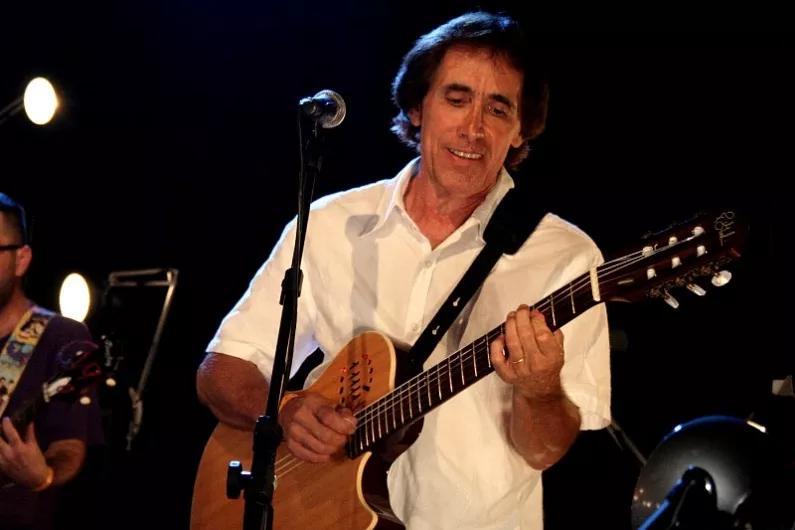
Jerry Adriani

Rock
Pop Rock
Latin Pop
 Viberate Rank: 50212
 Viberate Rank: 50212
 Monthly ListenersFollowers
 Subscribers
 Followers
 Followers
 FansTop Spotify Songs
| Track | 7-Day Streams | |
|---|---|---|
1 | 19.86K | |
2 | 19.82K | |
3 | 11.67K | |
4 | 10.49K | |
5 | 9.54K |
Top YouTube VideosMonthly ListenersFeatured in Playlists| Playlist | Followers | |
|---|---|---|
1 |  This Is Roberto Carlos Spotify | 637.02K |
2 |  Brasilidades Spotify | 310.20K |
3 |  Jovem Guarda Spotify | 154.12K |
4 |  Roberto Carlos - Grandes Sucessos Roberto Carlos | 89.25K |
5 | Brega antigo Abelzancanella | 52.94K |
Audience| City | Monthly Listeners | |
|---|---|---|
1 | | 16.40K |
2 | | 7.33K |
3 | | 5.70K |
4 | | 5.36K |
5 | | 5.26K |
See full performance history, audience data, playlist activity, rankings, comparisons, and more in Viberate music analytics. Start with a free trial, then continue with a paid plan.
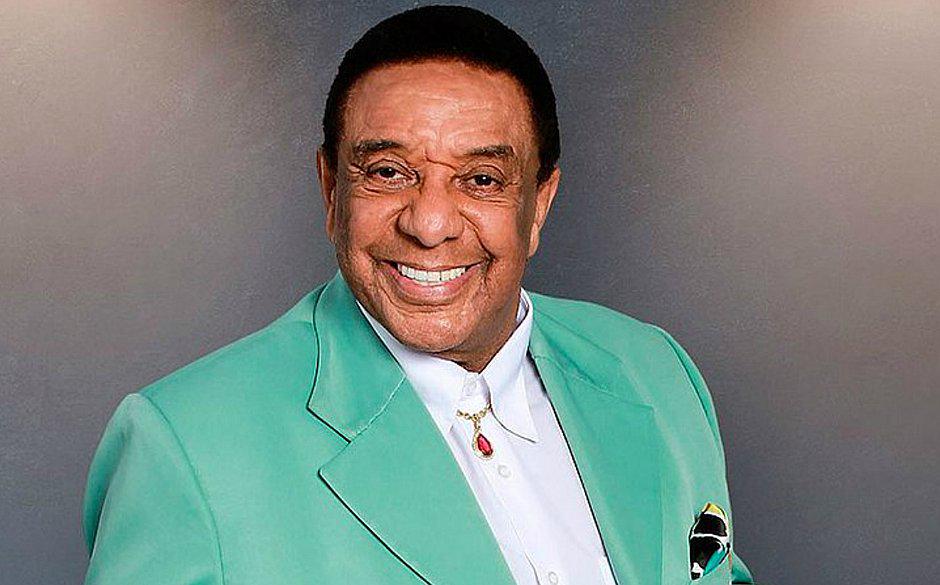
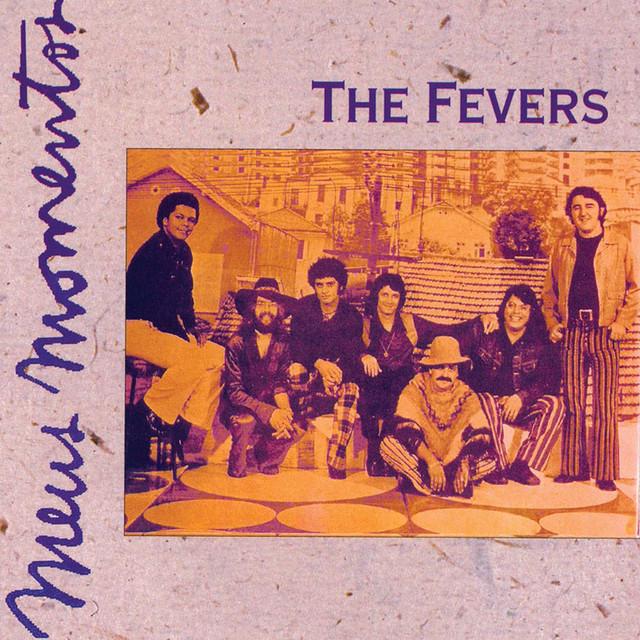
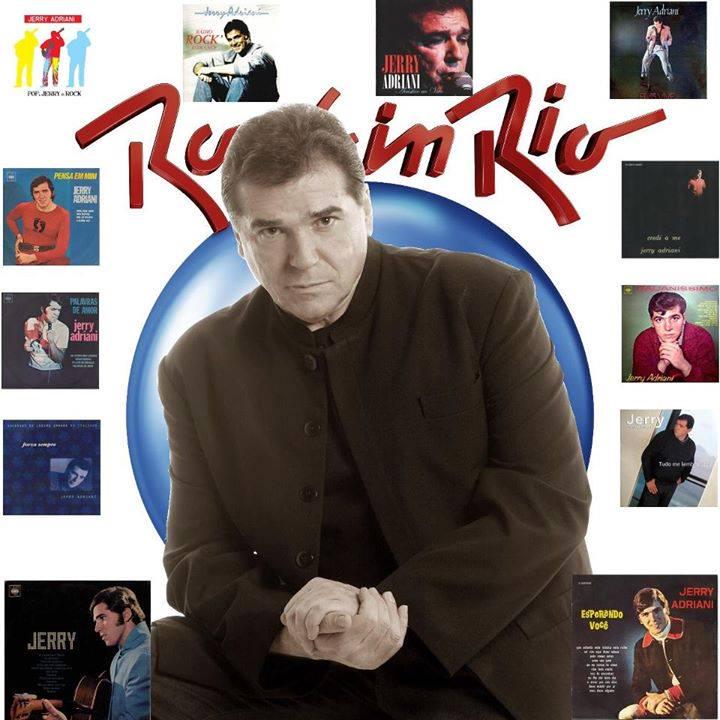
Jerry Adriani’s Spotify BioWith 29 albums recorded, Jerry Adriani was a big idol in the times of Jovem Guarda who, after a gap provoked by the demise of the movement, found his way to success again in the '90s. Making his romantic Italian singing his trademark, Adriani played the main role in films in the Beatlemania style (in the times of Jovem Guarda). He had an international career, and in 1999, sold 200,000 copies of Forza Sempre, an album in which he interpreted Legião Urbana's hits in Italian.
Singing Italian songs that were taught by his grandma since he was very young, Jerry Adriani learned to play the accordion and took voice lessons at 11. He started as a professional singer in 1964, singing in Italian. In that year, he recorded the LPs Italianissimo and Credi a Me, which were very successful amongst youngsters. Um Grande Amor followed, recorded in Portuguese. In that period, he hosted the show Excelsior A Go Go at the TV Excelsior (São Paulo). At TV Tupi, he co-hosted A Grande Parada together with… Neyde Aparecida, Zélia Hoffmann, Betty Faria, and Marília Pera. He also participated in films like Jerry, A Grande Parada and Em Busca do Tesouro. In a tour through Northeast, Adriani met Raul Seixas, who at the time was the leader of the band Raulzito e Seus Panteras. Seixas and his band would be Adriani's supporting band for three years, and Seixas became Adriani's producer for the same period. In 1970, Adriani got international, touring and releasing albums in Venezuela, Peru, U.S., Canada, and Mexico. In 1975, Adriani participated in the Brazilian Follies musical in Rio, which was presented for one-and-a-half years. In 1989, Adriani had the first of four nominations for the Prêmio Sharp, with the LP Marcas Da Vida (Best Singer). The others were in 1990 (LP Elvis Vive, Best Pop Album/Best Pop Singer), 1993 (LP Doce Aventura, Best Pop Singer), and 1995 (LP Rádio Rock Romance, Best Pop Album/Best Pop Singer). After almost 20 years of ostracism after the end of the Jovem Guarda, Jerry Adriani worked in the soap opera Uma Onda No Ar (TV Manchete) in 1994, which was also was presented in Portugal.
Of the Jovem Guarda revival, amongst the many reissues, the one promoted by Polygram with his hits "Broto Legal," "Namoradinha De Um Amigo Meu," and "Querida" deserves mention. In 1997, his rendition for "Engenho" (Ricardo Feghalli/Aldyr Blanc) was included in the A Indomada soap opera; his interpretation of "Con Te Partirò" (with Mafalda Minozzi) also was included in a soap opera soundtrack. Forza Sempre, which sold 200,000 copies, is a 1999 project where he reinterprets hits by Renato Russo. "Santa Luccia Luntana," included in this CD, was also part of the soundtrack of the TV Globo soap opera Terra Nostra. ~ Alvaro Neder, Rovi
Viberate is a music analytics platform built for A&Rs, artist managers, labels, booking agents, marketers, and artists.
It helps music professionals track artist growth, analyze audience data, monitor playlist activity, compare artists, follow song performance, and identify opportunities across the music market.
Public artist pages provide a free preview of selected artist data. Paid plans provide access to deeper analytics, historical data, charts, comparisons, playlist tools, exports, alerts, reports, and additional professional features.
Yes. Public Viberate artist pages provide selected artist analytics and music data for free.
Viberate also offers a 7-day free trial of the full platform. A credit card is required to start the trial. The trial includes access to the complete product so users can test deeper artist analytics, historical views, playlist insights, comparisons, charts, exports, alerts, and reporting features before choosing a paid plan.
Viberate provides artist analytics across streaming, playlists, social media, video, radio airplay, songs, and audience markets.
Users can analyze Spotify performance, Spotify and Apple Music playlists, YouTube activity, TikTok and Instagram growth, radio spins, song performance, audience locations, demographics, rankings, and overall artist momentum.
Artist profiles also connect to music charts, similar artists, and comparison tools, helping users benchmark performance and evaluate artists in context.
Viberate updates key artist and track data daily.
For followed artists and tracks, selected data is refreshed multiple times per day. This helps teams monitor playlist changes, streaming movement, audience growth, releases, and campaign performance with more current data.
Update frequency can vary depending on the metric and data source.
Yes. Viberate lets users compare up to five artists side by side across streaming, social media, audience, and engagement metrics.
Users can compare fanbase growth, audience demographics, locations, Spotify performance, social metrics, and other artist data over selected time periods.
Artist comparison can be used for A&R scouting, benchmarking, booking decisions, campaign planning, and evaluating artists with similar audiences or market positions.