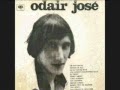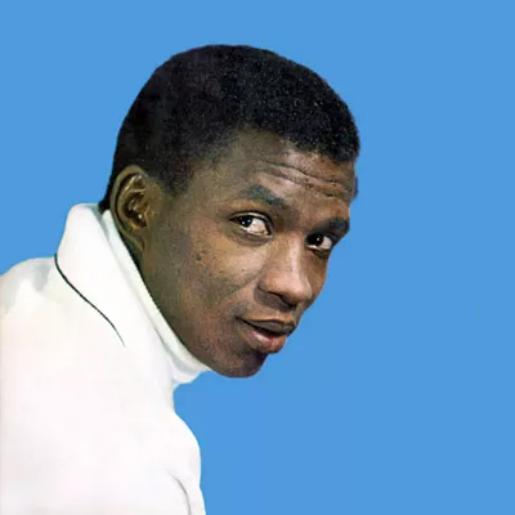
Odair José

Pop
Latin Pop
Pop Rock
 Viberate Rank: 32626
 Viberate Rank: 32626
 Monthly ListenersFollowers
 Subscribers
 Followers
 Followers
 FansTop Spotify Songs
| Track | 7-Day Streams | |
|---|---|---|
1 | 43.06K | |
2 | 9.54K | |
3 | 8.99K | |
4 | 7.66K | |
5 | 7.16K |
Top YouTube VideosMonthly ListenersFeatured in Playlists| Playlist | Followers | |
|---|---|---|
1 |  Clássicos do Brega Spotify | 361.57K |
2 | Brega antigo Abelzancanella | 52.94K |
3 | BREGAS - AS MELHORES DE TODOS OS TEMPOS stenio | 41.92K |
4 |  SERESTA DAS ANTIGAS - Só As Melhores CEWICH | 35.35K |
5 | Jovem Guarda. antonioalvesfilho2112 | 34.44K |
Audience| City | Monthly Listeners | |
|---|---|---|
1 | | 45.30K |
2 | | 21.99K |
3 | | 18.97K |
4 | | 15.04K |
5 | | 14.47K |
See full performance history, audience data, playlist activity, rankings, comparisons, and more in Viberate music analytics. Start with a free trial, then continue with a paid plan.
Odair José’s Spotify BioOdair José was one of the most successful artists in the '70s and the most successful one in the brega segment. José started as a self-taught musician, learning to play the violão (acoustic guitar), the piano, and the harmonica at ten. He formed a Brazilian country duo with a friend and moved to Rio de Janeiro RJ at the age 18. There he worked at circuses and bars in working-class boroughs. Soon he was producing songs that described the sad atmosphere of the night in that environment. His first composition, "Eu Vou Tirar Você Deste Lugar" (I'll Take You Outta Here), told a story about a man in love with a prostitute. Becoming one of his hits, José performed it with Caetano Veloso at the Phono 73 show, along with "Pare de Tomar a Pílula," another creation by José. In 1970 had one of his compositions recorded for the first time, "Chato e Atrevido," by vocalist Denise Barreto. It was the beginning of success, José sold millions of copies of his albums, from the first one, recorded that… year, through the ten others until 1994. In 1977 he wrote the rock opera O Filho de José e Maria. ~ Alvaro Neder, Rovi
Viberate is a music analytics platform built for A&Rs, artist managers, labels, booking agents, marketers, and artists.
It helps music professionals track artist growth, analyze audience data, monitor playlist activity, compare artists, follow song performance, and identify opportunities across the music market.
Public artist pages provide a free preview of selected artist data. Paid plans provide access to deeper analytics, historical data, charts, comparisons, playlist tools, exports, alerts, reports, and additional professional features.
Yes. Public Viberate artist pages provide selected artist analytics and music data for free.
Viberate also offers a 7-day free trial of the full platform. A credit card is required to start the trial. The trial includes access to the complete product so users can test deeper artist analytics, historical views, playlist insights, comparisons, charts, exports, alerts, and reporting features before choosing a paid plan.
Viberate provides artist analytics across streaming, playlists, social media, video, radio airplay, songs, and audience markets.
Users can analyze Spotify performance, Spotify and Apple Music playlists, YouTube activity, TikTok and Instagram growth, radio spins, song performance, audience locations, demographics, rankings, and overall artist momentum.
Artist profiles also connect to music charts, similar artists, and comparison tools, helping users benchmark performance and evaluate artists in context.
Viberate updates key artist and track data daily.
For followed artists and tracks, selected data is refreshed multiple times per day. This helps teams monitor playlist changes, streaming movement, audience growth, releases, and campaign performance with more current data.
Update frequency can vary depending on the metric and data source.
Yes. Viberate lets users compare up to five artists side by side across streaming, social media, audience, and engagement metrics.
Users can compare fanbase growth, audience demographics, locations, Spotify performance, social metrics, and other artist data over selected time periods.
Artist comparison can be used for A&R scouting, benchmarking, booking decisions, campaign planning, and evaluating artists with similar audiences or market positions.