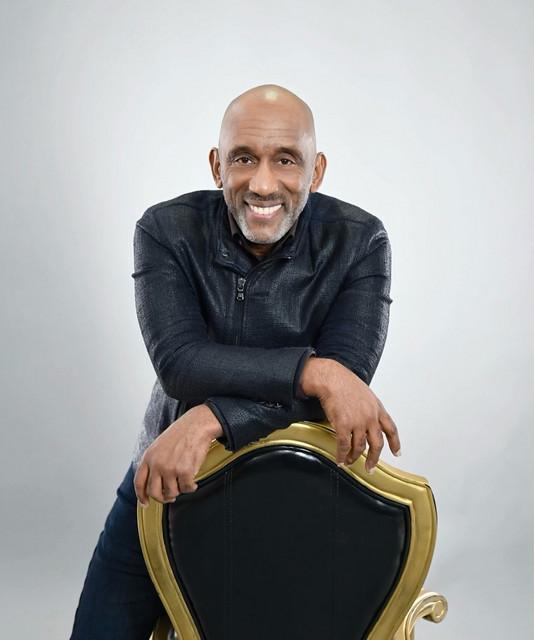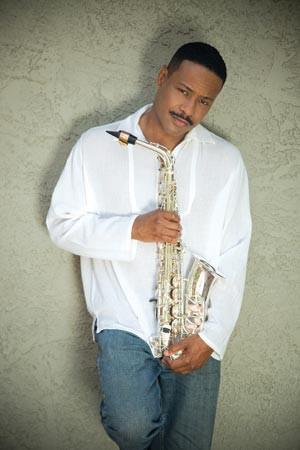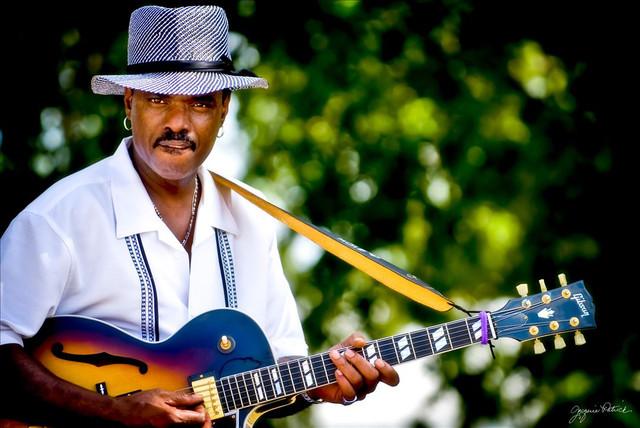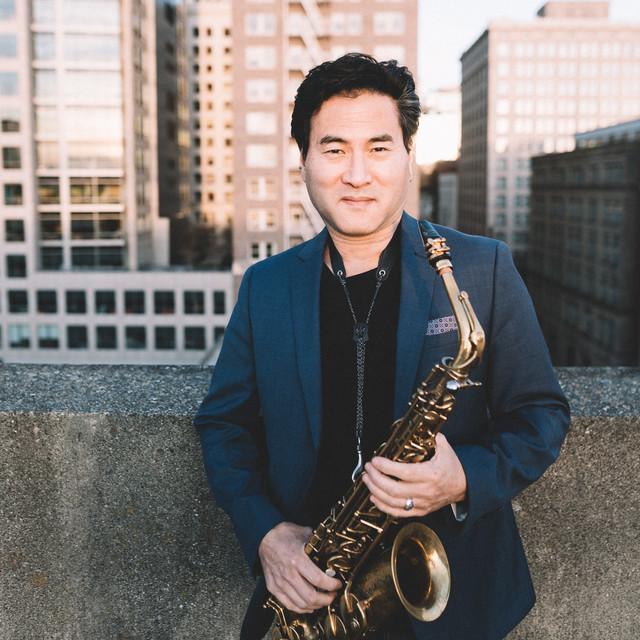
Jeff Kashiwa

Jazz
Free Jazz
Smooth Jazz
 Viberate Rank: 93259
 Viberate Rank: 93259
 Monthly ListenersFollowers
 Subscribers
 Followers
 Followers
 FansTop Spotify Songs
| Track | 7-Day Streams | |
|---|---|---|
1 | 51.19K | |
2 | 36.45K | |
3 | 3.40K | |
4 | 2.68K | |
5 | 2.60K |
Top YouTube Videos| Video | 7-Day Views | |
|---|---|---|
1 | 20 | |
2 | 19 | |
3 | 18 | |
4 | 15 | |
5 | 15 |
Monthly ListenersFeatured in Playlists| Playlist | Followers | |
|---|---|---|
1 |  Smooth Jazz Chill Spotify | 477.75K |
2 |  Soul, Jazz and Blues Albatross__Music | 221.55K |
3 |  Jazz Classics: An Elegant Evening EMITHA | 205.93K |
4 |  Smooth Jazz Classics Spotify | 194.34K |
5 |  Smooth Jazz - Instrumental Pekka Martikainen | 141.77K |
Audience| City | Monthly Listeners | |
|---|---|---|
1 | | 2.20K |
2 | | 2.18K |
3 | | 1.99K |
4 | | 1.98K |
5 | | 1.88K |
See full performance history, audience data, playlist activity, rankings, comparisons, and more in Viberate music analytics. Start with a free trial, then continue with a paid plan.
Jeff Kashiwa’s Spotify BioOne of the most successful smooth jazz saxophonists, Jeff Kashiwa made his name as a member of the popular group the Rippingtons. Born in 1963 in Louisville, Kentucky, Kashiwa moved early on with his family to Seattle, where he started out on the clarinet (a gift from his father) at age ten. However, it would be two years before he switched to saxophone. Influenced by such smooth jazz progenitors as Chuck Mangione and Spyro Gyra, Kashiwa eventually moved to Boston to attend the Berklee College of Music and developed an interest in straight-ahead jazz -- a style that often colors his live performances. His hard work paid off when he landed the second alto chair in Disney's All American College Band.
Kashiwa found he liked Southern California and transferred to Cal State Long Beach to work on his Bachelor of Music. During this time he toured with the ska/reggae group the Untouchables, performing on MTV's first Spring Break. Later, while working at a grocery store by day and playing at… night, Kashiwa hired bassist Steve Bailey -- then with the Rippingtons -- to play on a gig. Bailey introduced Kashiwa to the Rippingtons' pianist and leader, Russ Freeman, who hired Kashiwa in 1989 when the group's original saxophonist, Brandon Fields, left the group. It was during this time with the Rippingtons that Kashiwa recorded two solo albums, Remember Catalina in 1995 and Walkamile in 1997. Then, in 1999, he left the Rippingtons to concentrate more energy on his own band, Coastal Access.
Kashiwa's solo career has been in joyfully frenetic overdrive since the success of "Hyde Park (The Aah, Ooh Song)," a number one hit on the Radio & Records airplay chart for over eight weeks in 2000. His Native Language debut, Another Door Opens, and its more acoustic-oriented 2002 follow-up, Simple Truth, established him as one of smooth jazz's most dominant saxophone voices, and he consistently performed 60-80 shows annually with Coastal Access in addition to heavy gigging with artists like Joyce Cooling, Chieli Minucci, Acoustic Alchemy, and frequent collaborator and co-producer Chuck Loeb. In 2006, he reunited with the Rippingtons for the group's 20th anniversary tour and appeared as a guest on the band's 20th Anniversary release.
In the summer of 2007, he was featured on more live dates with the Rippingtons and released his fourth Native Language disc, Play. The following year, he joined fellow saxophonists Kim Waters and Steve Cole in the supergroup the Sax Pack before returning to his solo work with Back in the Day. He then contributed to David Benoit's Earthglow, and appeared on the Rippingtons' Modern Art and the South of France-inspired Côte d'Azur, before delivering his eighth studio album, 2012's Let It Ride. Also that year, he was back with the Rippingtons for Built to Last. More guest shots followed, including spots on albums with Brian Culbertson and Willie Bradley. The Sax Pack's aptly titled third studio album, Power of 3, appeared in 2015. In 2017 Kashiwa released Fly Away, featuring appearances by Marc Antoine, Acoustic Alchemy's Miles Gilderdale, Tom Schuman of Spyro Gyra, and others. ~ Jonathan Widran, Rovi
Viberate is a music analytics platform built for A&Rs, artist managers, labels, booking agents, marketers, and artists.
It helps music professionals track artist growth, analyze audience data, monitor playlist activity, compare artists, follow song performance, and identify opportunities across the music market.
Public artist pages provide a free preview of selected artist data. Paid plans provide access to deeper analytics, historical data, charts, comparisons, playlist tools, exports, alerts, reports, and additional professional features.
Yes. Public Viberate artist pages provide selected artist analytics and music data for free.
Viberate also offers a 7-day free trial of the full platform. A credit card is required to start the trial. The trial includes access to the complete product so users can test deeper artist analytics, historical views, playlist insights, comparisons, charts, exports, alerts, and reporting features before choosing a paid plan.
Viberate provides artist analytics across streaming, playlists, social media, video, radio airplay, songs, and audience markets.
Users can analyze Spotify performance, Spotify and Apple Music playlists, YouTube activity, TikTok and Instagram growth, radio spins, song performance, audience locations, demographics, rankings, and overall artist momentum.
Artist profiles also connect to music charts, similar artists, and comparison tools, helping users benchmark performance and evaluate artists in context.
Viberate updates key artist and track data daily.
For followed artists and tracks, selected data is refreshed multiple times per day. This helps teams monitor playlist changes, streaming movement, audience growth, releases, and campaign performance with more current data.
Update frequency can vary depending on the metric and data source.
Yes. Viberate lets users compare up to five artists side by side across streaming, social media, audience, and engagement metrics.
Users can compare fanbase growth, audience demographics, locations, Spotify performance, social metrics, and other artist data over selected time periods.
Artist comparison can be used for A&R scouting, benchmarking, booking decisions, campaign planning, and evaluating artists with similar audiences or market positions.