Jason Ricci

Blues
Contemporary Blues
 Viberate Rank: 111932
 Viberate Rank: 111932
 Monthly ListenersFollowers
 Subscribers
 Followers
 Followers
 FansTop Spotify Songs
| Track | 7-Day Streams | |
|---|---|---|
1 | 742 | |
2 | 509 | |
3 | 208 | |
4 | 187 | |
5 | 172 |
Top YouTube VideosMonthly ListenersFeatured in Playlists| Playlist | Followers | |
|---|---|---|
1 | Blues Harmonica Mikael Levinsson | 33.48K |
2 |  New Blues | Blues Rock | Americana 🎸 by Don's Tunes Don's Tunes | 28.52K |
3 |  Slow Blues & Blues Rock | Don's Tunes Don's Tunes | 19.74K |
4 |  Mardi Gras Nicholas Persac | 15.67K |
5 |  Keeping The Blues Alive Joe Bonamassa | 10.34K |
Audience| City | Monthly Listeners | |
|---|---|---|
1 |  | 154 |
2 |  | 76 |
3 |  | 66 |
4 | | 60 |
5 |  | 53 |
See full performance history, audience data, playlist activity, rankings, comparisons, and more in Viberate music analytics. Start with a free trial, then continue with a paid plan.
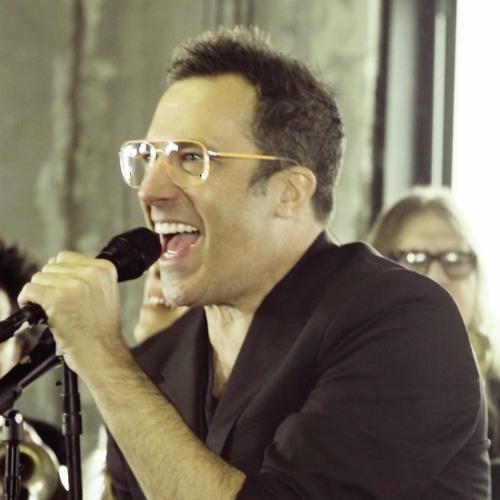
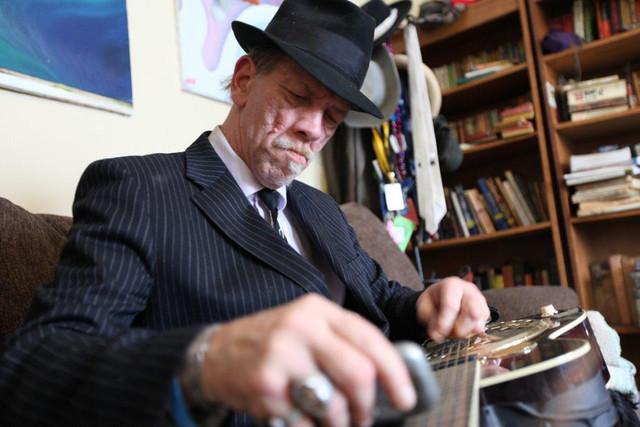
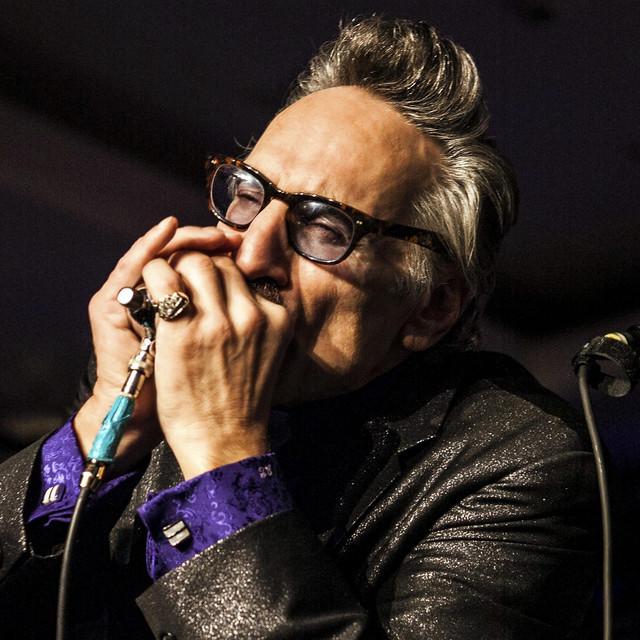
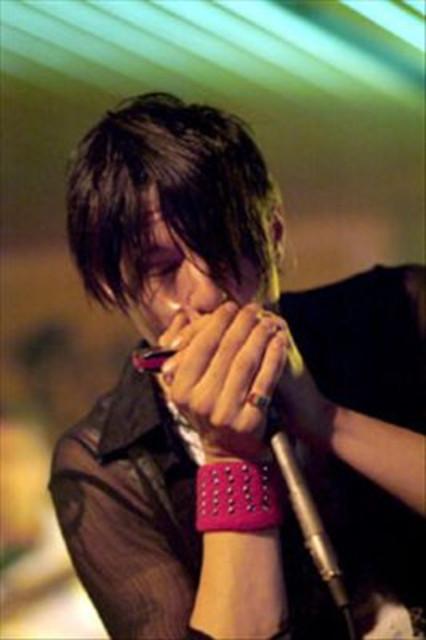
Jason Ricci’s Spotify BioHarmonica player, bandleader, and singer/songwriter Jason Ricci is one of a handful of new young lions on the blues scene who are helping to expand the parameters of the idiom. Ricci steers clear of traditional blues themes in his songwriting, yet his playing shows a tremendous amount of knowledge and respect for the masters of the instrument, people like Little Walter Jacobs, Sonny Boy Williamson, and George "Harmonica" Smith.
Ricci's harmonica skills really took off after he moved to Memphis from his native Portland, ME in 1995, as he had the chance to sit in and learn from others on the fertile Memphis club scene. By the time he was 21, Ricci had won the Sonny Boy Blues Society contest and performed at the King Biscuit Blues Festival. Ricci and his band, New Blood, arrived on the blues scene in the early 2000s and kept up a rigorous touring schedule, nearly 300 shows a year, for the better part of seven years. Along the way, they racked up critical accolades and continued to release… some very fine recordings that are by no means straight-ahead blues. Ricci, who is openly gay, has a warm and friendly stage presence and typically makes some kind of fashion statement with his punk-rock-goth dressing style. Old traditionalists or "moldy figs" in a festival or club audience are soon captured by the spirited live show put forth by Ricci and his band.
He began his recording career with the independently released Blood on the Road, which won accolades from The San Jose Mercury News as one of the Top Ten albums of 2007. In 2008, Ricci & New Blood were signed to record for the California-based Eclecto Groove Records, releasing Rocket Number 9, produced by Grammy Award-winning producer John Porter. The recording is often autobiographical, revealing Ricci's drug-related problems and alternative lifestyle in a selection of songs that smeared the lines between modern blues, funk, rock, and Eastern music. The album rose to number four on the Billboard blues charts and stayed there for several months. Ricci's harmonica playing can also be heard on recordings by Cedric Burnside & Lightnin' Malcolm, Motor City Josh, and Walter Trout.
In 2009, Ricci & New Blood released Done with the Devil, also for Eclecto Groove Records. The album showcases Ricci's original songwriting but also includes two eclectic covers, one by the punk rock outfit the Misfits, the other by legendary avant-garde jazz composer Sun Ra. In 2010, Ricci won the Best Harmonica Player award from the Memphis-based Blues Music Foundation, but was also sidetracked into the hospital for a bad case of pneumonia. After a few months in recovery, Ricci was rested and ready to get back out on the road, selling records the old-fashioned way, at his numerous live shows around the U.S., Canada, and Europe. ~ Richard J. Skelly, Rovi
Viberate is a music analytics platform built for A&Rs, artist managers, labels, booking agents, marketers, and artists.
It helps music professionals track artist growth, analyze audience data, monitor playlist activity, compare artists, follow song performance, and identify opportunities across the music market.
Public artist pages provide a free preview of selected artist data. Paid plans provide access to deeper analytics, historical data, charts, comparisons, playlist tools, exports, alerts, reports, and additional professional features.
Yes. Public Viberate artist pages provide selected artist analytics and music data for free.
Viberate also offers a 7-day free trial of the full platform. A credit card is required to start the trial. The trial includes access to the complete product so users can test deeper artist analytics, historical views, playlist insights, comparisons, charts, exports, alerts, and reporting features before choosing a paid plan.
Viberate provides artist analytics across streaming, playlists, social media, video, radio airplay, songs, and audience markets.
Users can analyze Spotify performance, Spotify and Apple Music playlists, YouTube activity, TikTok and Instagram growth, radio spins, song performance, audience locations, demographics, rankings, and overall artist momentum.
Artist profiles also connect to music charts, similar artists, and comparison tools, helping users benchmark performance and evaluate artists in context.
Viberate updates key artist and track data daily.
For followed artists and tracks, selected data is refreshed multiple times per day. This helps teams monitor playlist changes, streaming movement, audience growth, releases, and campaign performance with more current data.
Update frequency can vary depending on the metric and data source.
Yes. Viberate lets users compare up to five artists side by side across streaming, social media, audience, and engagement metrics.
Users can compare fanbase growth, audience demographics, locations, Spotify performance, social metrics, and other artist data over selected time periods.
Artist comparison can be used for A&R scouting, benchmarking, booking decisions, campaign planning, and evaluating artists with similar audiences or market positions.