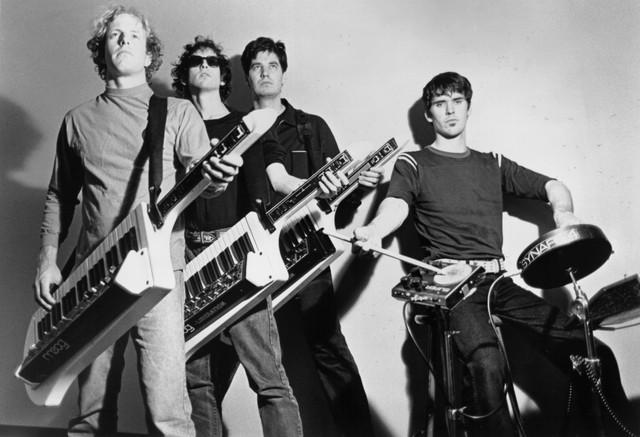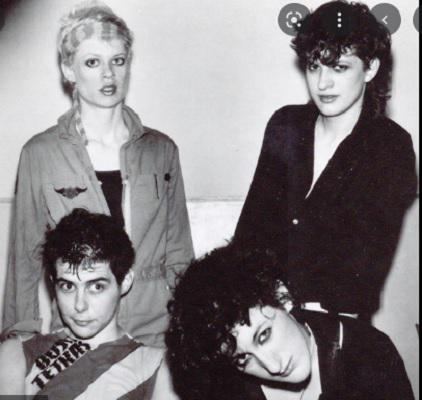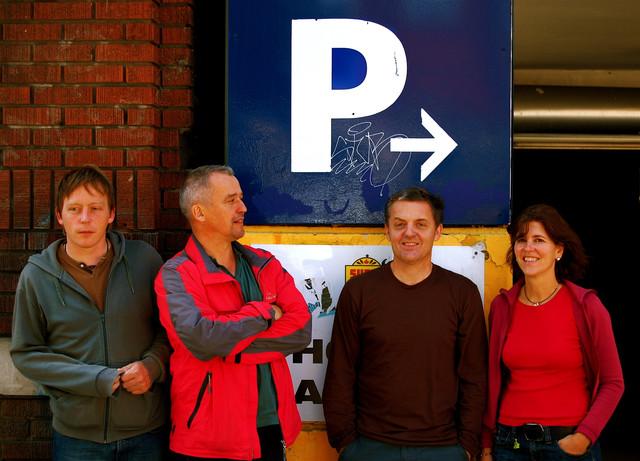
The Ex

Punk
Punk Rock
Noise Rock
 Viberate Rank: 193471
 Viberate Rank: 193471
 Monthly ListenersFollowers
 Subscribers
 Followers
 Followers
 FansTop Spotify Songs
| Track | 7-Day Streams | |
|---|---|---|
1 | 372 | |
2 | 281 | |
3 | 281 | |
4 | 198 | |
5 | 153 |
Top YouTube Videos| Video | 7-Day Views | |
|---|---|---|
1 | 421 | |
2 | 77 | |
3 | 10 | |
4 | 9 | |
5 | 5 |
Monthly ListenersFeatured in Playlists| Playlist | Followers | |
|---|---|---|
1 | giant 90s alt/indie/etc playlist PART 3: 1997-1999 Aroon Karvna | 12.66K |
2 |  60 Songs That Explain the '90s (Companion Playlist) The Ringer | 10.13K |
3 | STEVE ALBINI Sorgesalmen | 5.87K |
4 |  Matador Recommends Matador Records | 4.81K |
5 |  MANFREDAS' MUSIC CABINET manfredasb | 4.24K |
Audience| City | Monthly Listeners | |
|---|---|---|
1 | | 73 |
2 | | 55 |
3 |  | 44 |
4 |  | 31 |
5 |  | 30 |
See full performance history, audience data, playlist activity, rankings, comparisons, and more in Viberate music analytics. Start with a free trial, then continue with a paid plan.
The Ex’s Spotify BioPlaying a hybrid of punk to advance their liberal socialist agenda (serving as the rough equivalent of a Dutch Crass), the Ex put out reams of records and propaganda during the '80s -- each released on a different Dutch label -- but in the '90s began to embrace industrial forms of percussion and improvisation more in line with Einstürzende Neubauten and Test Dept. Formed in the late '70s, the group debuted at the turn of the decade with Disturbing Domestic Peace. The year 1983 was particularly busy; two proper albums were released (Tumult and Blueprints for a Blackout) plus the singles box Dignity of Labour and an EP, Gonna Rob the Spermbank.
Two more LPs appeared during the mid-'80s, after which the group formed their own Ex label in 1988 to release a compilation of their three Peel Sessions, Hands Up! You're Free. During 1990-1993, the Ex preoccupied themselves with projects: recordings with Dog Faced Hermans produced the cassette-only Treat, and a collaboration with noted avant-garde… cellist Tom Cora resulted in 1991's Scrabbling at the Lock plus And the Weathermen Shrug Their Shoulders two years later. The group returned in 1995 with two major releases -- a double CD of improvisational material called Instant, and the proper album Mudbird Shivers. Starters Alternators followed in 1998 and Spanish Revolution was issued two years later; they also completed their 20-member, big band project Ex Orkestra in 2000. Dizzy Spells, which the group recorded with Steve Albini, arrived the following spring. ~ John Bush, Rovi
Viberate is a music analytics platform built for A&Rs, artist managers, labels, booking agents, marketers, and artists.
It helps music professionals track artist growth, analyze audience data, monitor playlist activity, compare artists, follow song performance, and identify opportunities across the music market.
Public artist pages provide a free preview of selected artist data. Paid plans provide access to deeper analytics, historical data, charts, comparisons, playlist tools, exports, alerts, reports, and additional professional features.
Yes. Public Viberate artist pages provide selected artist analytics and music data for free.
Viberate also offers a 7-day free trial of the full platform. A credit card is required to start the trial. The trial includes access to the complete product so users can test deeper artist analytics, historical views, playlist insights, comparisons, charts, exports, alerts, and reporting features before choosing a paid plan.
Viberate provides artist analytics across streaming, playlists, social media, video, radio airplay, songs, and audience markets.
Users can analyze Spotify performance, Spotify and Apple Music playlists, YouTube activity, TikTok and Instagram growth, radio spins, song performance, audience locations, demographics, rankings, and overall artist momentum.
Artist profiles also connect to music charts, similar artists, and comparison tools, helping users benchmark performance and evaluate artists in context.
Viberate updates key artist and track data daily.
For followed artists and tracks, selected data is refreshed multiple times per day. This helps teams monitor playlist changes, streaming movement, audience growth, releases, and campaign performance with more current data.
Update frequency can vary depending on the metric and data source.
Yes. Viberate lets users compare up to five artists side by side across streaming, social media, audience, and engagement metrics.
Users can compare fanbase growth, audience demographics, locations, Spotify performance, social metrics, and other artist data over selected time periods.
Artist comparison can be used for A&R scouting, benchmarking, booking decisions, campaign planning, and evaluating artists with similar audiences or market positions.