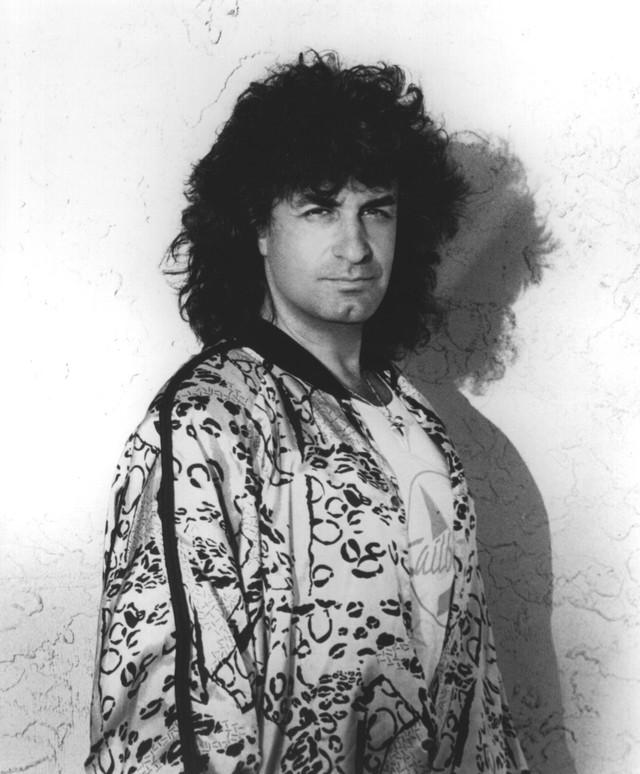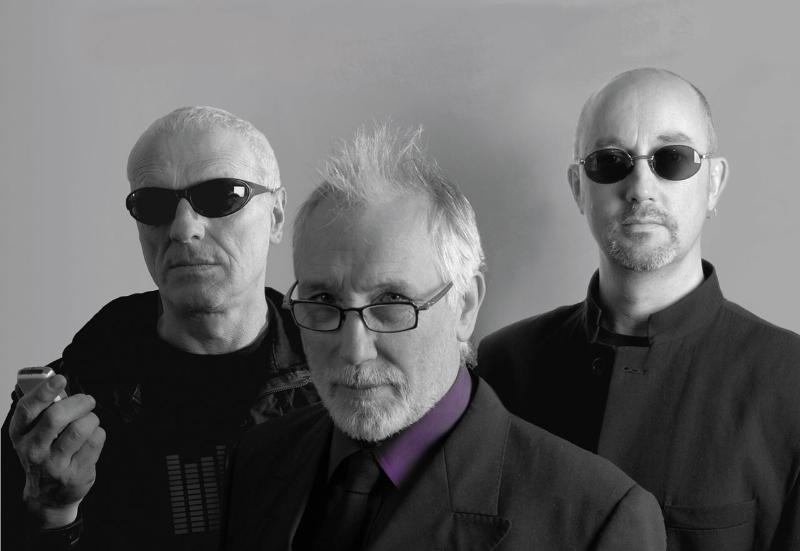
Jade Warrior

Rock
Progressive Rock
Psychedelic Rock
 Viberate Rank: 235206
 Viberate Rank: 235206
 Monthly ListenersFollowers
 Subscribers
 Followers
 Followers
 FansTop Spotify Songs
| Track | 7-Day Streams | |
|---|---|---|
1 | 318 | |
2 | 280 | |
3 | 280 | |
4 | 268 | |
5 | 268 |
Top YouTube VideosMonthly ListenersFeatured in Playlists| Playlist | Followers | |
|---|---|---|
1 |  Now Again - Egon's Selections Egon | 14.10K |
2 |  Prog Rock Classics SWÖRD BOY | 13.43K |
3 |  The NTS Breakfast Show w/ Flo - NTS NTS ᵇᵒᵗ (killed 2026/03) | 12.70K |
4 |  70s Proto-Metal, Heavy Psych & Obscure Hard Rock Jordan Edrei | 11.27K |
5 |  NTS Breakfastshow with Flo Dill Sebastian We | 6.10K |
Audience| City | Monthly Listeners | |
|---|---|---|
1 | | 103 |
2 |  | 59 |
3 |  | 57 |
4 | | 47 |
5 | | 44 |
See full performance history, audience data, playlist activity, rankings, comparisons, and more in Viberate music analytics. Start with a free trial, then continue with a paid plan.
Jade Warrior’s Spotify BioJade Warrior was an eclectic group led by Jon Field and Tony Duhig, who met during the 1960s while working in a factory. The two did not immediately start a band, but spent several years improving their musical skills, Field on percussion, Duhig on guitar. They finally created a group named July, with Tom Newman, Chris Jackson, and Alan James. Newman would later engineer Mike Oldfield's landmark album Tubular Bells. July released one album of eccentric psychedelic pop in 1968, then folded.
After the demise of July, Duhig traveled to Iran, where he met guitarist and future bandmate Glyn Havard. Field remained in England, learned to play flute, and created the Jade Warrior identity while writing music for a friend's dance drama. Jade warriors were the samurai of ancient Japan, cultured killers well-schooled in arts ranging from poetry to murder. Duhig and Havard returned from the Middle East and contacted Field, and the trio adopted the Jade Warrior name. Duhig and Field created most of… the music, with Havard playing bass and contributing lyrics and vocals. This initial formation, supplemented at times by guitarist David Duhig and drummer Allan Price, signed with Vertigo Records and released three albums in three years: Jade Warrior, Released, and Last Autumn's Dream. The band's sound combined a straightforward rock style with the sudden tempo changes and experimental instrumentation typical of early-'70s art rock bands. Jade Warrior developed a loyal but small following. Vertigo canceled their contract, although the band had recorded nearly two albums' worth of follow-up material. Most of this work was squelched for 25 years. The albums Eclipse and Fifth Element were recorded in 1973 but not released until 1998.
Jade Warrior were on the verge of breaking up when Island Records offered them a three-album deal that eventually stretched to four records. However, the change in labels reflected a similar shift in the band's sound. Island wanted to emphasize instrumentals. This left little room for Havard, who left the band. Jade Warrior became a duo, as Duhig and Field played numerous instruments to realize their increasingly exotic musical vision. The music became increasingly dreamlike, pushing a lighter jazz sound to the forefront. During the Island period of 1974 through 1978, Jade Warrior albums featured myriad percussive sounds, but drum kits were rarely in evidence. The band liked to create a soothing, ethereal feel, then shatter it with gongs and unexpectedly raucous electric guitar, usually from guest David Duhig, Tony's brother. Their albums featured occasional celebrity guests such as Steve Winwood, but Jade Warrior had a style of their own. The band's foray into what would later be labeled world and ambient music parallels the excursions of Brian Eno, who described 1974's Floating World as an important album.
During the '80s, Field and Tony Duhig released a pair of albums, Horizon (1984) and At Peace (1989), but they couldn't rise beyond cult status. Duhig was under a great deal of stress during much of this period. He opened a recording studio, mortgaging his house for funds. The studio flopped and Duhig's lender foreclosed on the house.
Field became a session player, but after meeting bassist Dave Sturt, he took steps to revive Jade Warrior. He recruited guitarist Colin Henson. Tony Duhig was about to rejoin the fold when he died of a heart attack. Field and the others carried on, releasing two albums on Red Hot Records, Breathing the Storm and Distant Echoes, the latter featuring a guest appearance by former King Crimson violinist David Cross. The band began another album in 1996, but it has never been finished. Field, Henson, and Sturt scattered to live in different parts of England and showed no inclination to finish the project. ~ Casey Elston, Rovi
Viberate is a music analytics platform built for A&Rs, artist managers, labels, booking agents, marketers, and artists.
It helps music professionals track artist growth, analyze audience data, monitor playlist activity, compare artists, follow song performance, and identify opportunities across the music market.
Public artist pages provide a free preview of selected artist data. Paid plans provide access to deeper analytics, historical data, charts, comparisons, playlist tools, exports, alerts, reports, and additional professional features.
Yes. Public Viberate artist pages provide selected artist analytics and music data for free.
Viberate also offers a 7-day free trial of the full platform. A credit card is required to start the trial. The trial includes access to the complete product so users can test deeper artist analytics, historical views, playlist insights, comparisons, charts, exports, alerts, and reporting features before choosing a paid plan.
Viberate provides artist analytics across streaming, playlists, social media, video, radio airplay, songs, and audience markets.
Users can analyze Spotify performance, Spotify and Apple Music playlists, YouTube activity, TikTok and Instagram growth, radio spins, song performance, audience locations, demographics, rankings, and overall artist momentum.
Artist profiles also connect to music charts, similar artists, and comparison tools, helping users benchmark performance and evaluate artists in context.
Viberate updates key artist and track data daily.
For followed artists and tracks, selected data is refreshed multiple times per day. This helps teams monitor playlist changes, streaming movement, audience growth, releases, and campaign performance with more current data.
Update frequency can vary depending on the metric and data source.
Yes. Viberate lets users compare up to five artists side by side across streaming, social media, audience, and engagement metrics.
Users can compare fanbase growth, audience demographics, locations, Spotify performance, social metrics, and other artist data over selected time periods.
Artist comparison can be used for A&R scouting, benchmarking, booking decisions, campaign planning, and evaluating artists with similar audiences or market positions.