Gilgamesh

Jazz
Jazz Fusion
Progressive Rock
 Viberate Rank: 297230
 Viberate Rank: 297230
 Monthly ListenersFollowers
 Subscribers
 Followers
 Followers
 FansTop Spotify Songs
| Track | 7-Day Streams | |
|---|---|---|
1 | 351 | |
2 | 205 | |
3 | 181 | |
4 | 175 | |
5 | 152 |
Top YouTube VideosMonthly ListenersFeatured in Playlists| Playlist | Followers | |
|---|---|---|
1 |  Prog Rock Classics SWÖRD BOY | 13.44K |
2 |  FLAG RADIO Cornelius 2024-2026 α-STATION FM KYOTO | 9.15K |
3 |  obscure progressive rock eirwen | 4.67K |
4 |  The Sound of Progressive Rock The Sounds of Spotify | 3.64K |
5 |  The Sound of Canterbury Scene The Sounds of Spotify | 3.46K |
Audience| City | Monthly Listeners | |
|---|---|---|
1 |  | 122 |
2 |  | 34 |
3 |  | 32 |
4 | | 29 |
5 | | 26 |
See full performance history, audience data, playlist activity, rankings, comparisons, and more in Viberate music analytics. Start with a free trial, then continue with a paid plan.
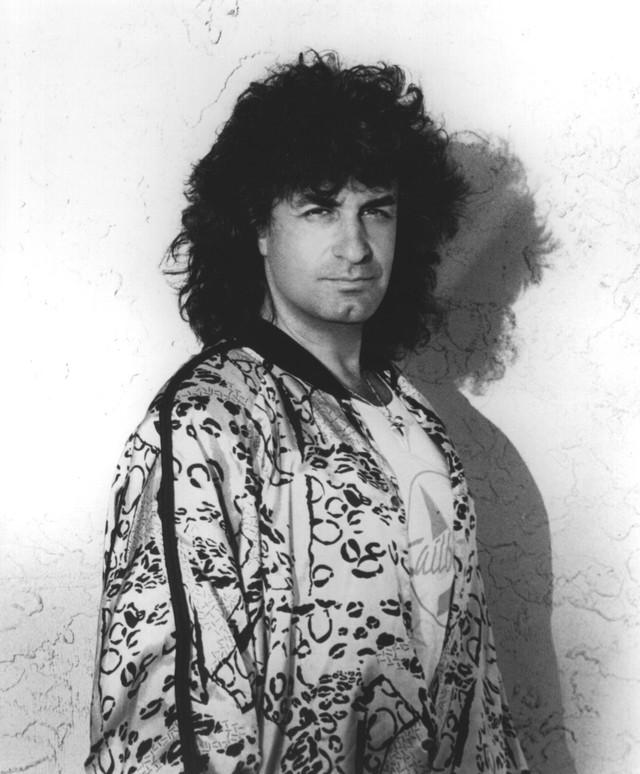
Gilgamesh’s Spotify BioA quiet progressive rock outfit with strong jazz fusion leanings, Gilgamesh emerged from the fringes of the fertile and beloved "Canterbury scene" as sort of an astute kid brother to Hatfield and the North. Amanda Parsons also contributed crystalline backing vocals to both groups. With Gilgamesh, keyboardist Alan Gowen attempted to erase the division between composed and improvised music, placing emphasis on texture and mood. The band broke up after one album, after which Gowen jumped between various Canterbury-related projects.
In 1978, Gowen joined National Health, then re-formed Gilgamesh for a reunion LP, Another Fine Tune You've Got Me Into. This second effort featured the talents of legendary Soft Machine bassist Hugh Hopper. Gowen teamed with Hopper for several more albums, most notably Two Rainbows Daily. In 1982, Gowen succumbed to leukemia and National Health dedicated their third release to his memory. Titled D.S. al Coda, it included compositions by Gowen that were written… but had not yet appeared on an album -- until the release of the Playtime CD by the Cuneiform label in 2001. Cuneiform also released a Gilgamesh archival compilation titled Arriving Twice in 2000, featuring previously unreleased tracks from three separate incarnations of the group between 1973 and 1975. Gilgamesh drummer Trevor Tomkins died on September 9, 2022 at the age of 81. ~ Peter Kurtz, Rovi
Viberate is a music analytics platform built for A&Rs, artist managers, labels, booking agents, marketers, and artists.
It helps music professionals track artist growth, analyze audience data, monitor playlist activity, compare artists, follow song performance, and identify opportunities across the music market.
Public artist pages provide a free preview of selected artist data. Paid plans provide access to deeper analytics, historical data, charts, comparisons, playlist tools, exports, alerts, reports, and additional professional features.
Yes. Public Viberate artist pages provide selected artist analytics and music data for free.
Viberate also offers a 7-day free trial of the full platform. A credit card is required to start the trial. The trial includes access to the complete product so users can test deeper artist analytics, historical views, playlist insights, comparisons, charts, exports, alerts, and reporting features before choosing a paid plan.
Viberate provides artist analytics across streaming, playlists, social media, video, radio airplay, songs, and audience markets.
Users can analyze Spotify performance, Spotify and Apple Music playlists, YouTube activity, TikTok and Instagram growth, radio spins, song performance, audience locations, demographics, rankings, and overall artist momentum.
Artist profiles also connect to music charts, similar artists, and comparison tools, helping users benchmark performance and evaluate artists in context.
Viberate updates key artist and track data daily.
For followed artists and tracks, selected data is refreshed multiple times per day. This helps teams monitor playlist changes, streaming movement, audience growth, releases, and campaign performance with more current data.
Update frequency can vary depending on the metric and data source.
Yes. Viberate lets users compare up to five artists side by side across streaming, social media, audience, and engagement metrics.
Users can compare fanbase growth, audience demographics, locations, Spotify performance, social metrics, and other artist data over selected time periods.
Artist comparison can be used for A&R scouting, benchmarking, booking decisions, campaign planning, and evaluating artists with similar audiences or market positions.