Jacob Do Bandolim

Latin
Samba
Latin Pop
 Viberate Rank: 120045
 Viberate Rank: 120045
 Monthly ListenersFollowers
 Subscribers
 Followers
 Followers
 FansTop Spotify Songs
| Track | 7-Day Streams | |
|---|---|---|
1 | 2.99K | |
2 | 2.86K | |
3 | 2.67K | |
4 | 2.26K | |
5 | 2.26K |
Top YouTube VideosMonthly ListenersFeatured in Playlists| Playlist | Followers | |
|---|---|---|
1 |  Choros Essenciais Spotify | 77.27K |
2 | Brazilian Classics Felix van Gisbergen | 63.86K |
3 |  Essential Classics Essential Classics | 31.39K |
4 |  Phish Walk-In & Setbreak Music - PART I juliamordaunt | 14.28K |
5 |  Chorinho Brasileiro For Play | 13.70K |
Audience| City | Monthly Listeners | |
|---|---|---|
1 | | 3.78K |
2 | | 2.08K |
3 | | 1.17K |
4 | | 1.09K |
5 | | 666 |
See full performance history, audience data, playlist activity, rankings, comparisons, and more in Viberate music analytics. Start with a free trial, then continue with a paid plan.
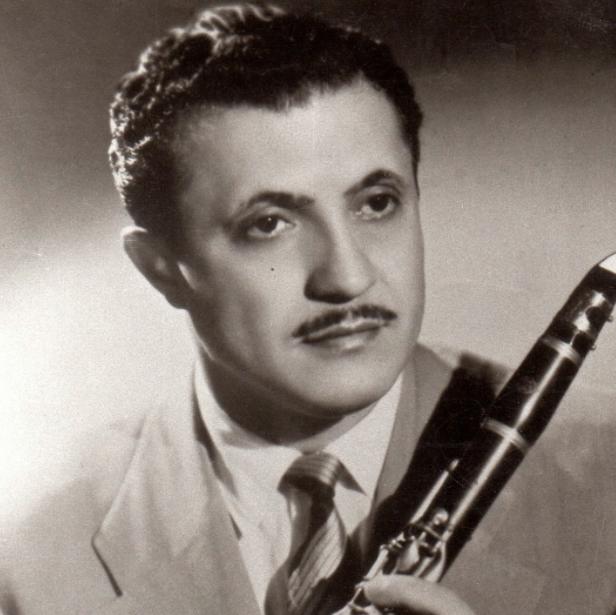
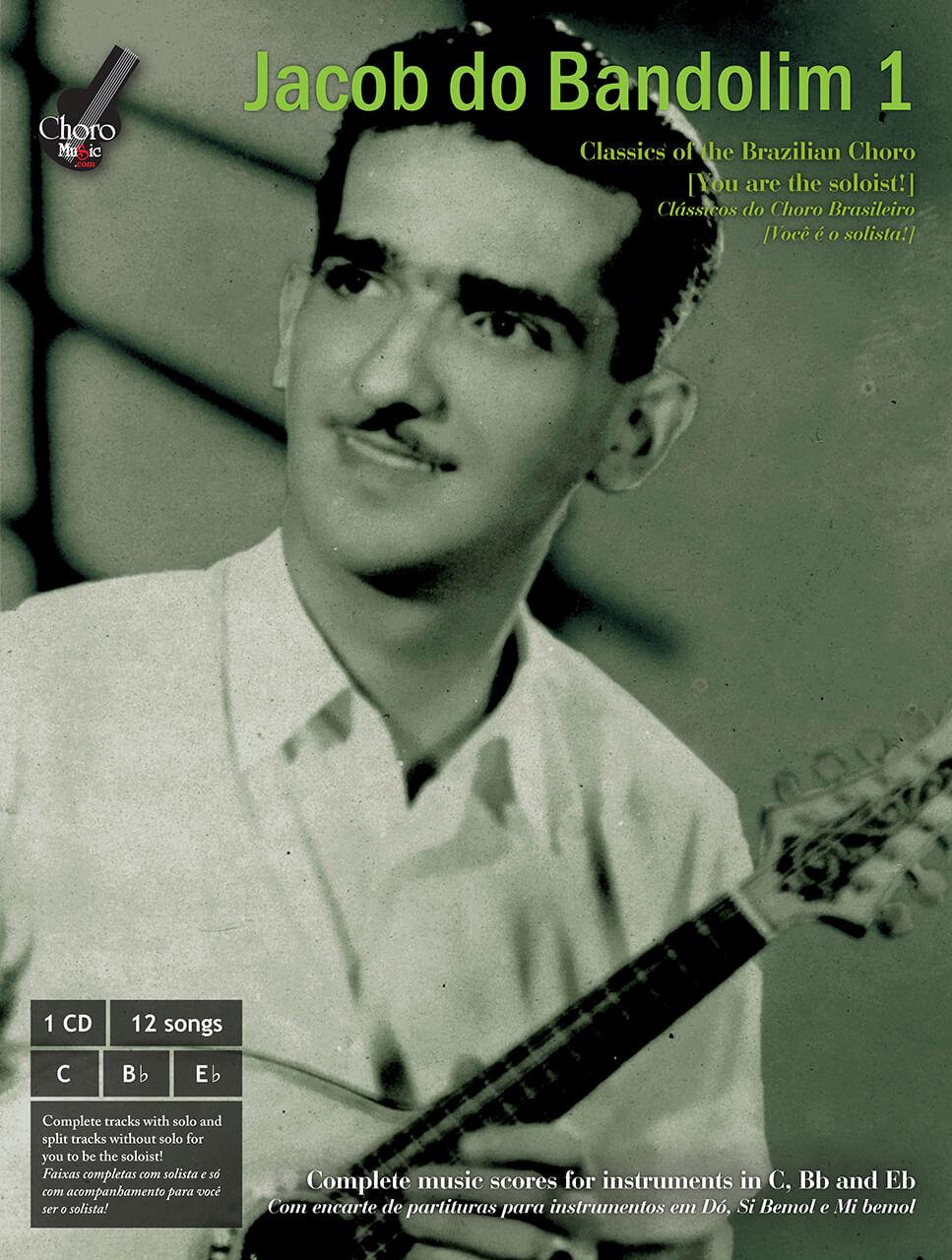
Jacob Do Bandolim’s Spotify BioJacob do Bandolim is one of the first names in the history of the choro genre. A serious and dedicated musician, he instilled a high degree of professionalism in the traditionally relaxed music -- even if he was never a professional himself (he made a living as a notary). He struggled to preserve Brazilian roots, and fought to impose his artistic sincerity on the music industry. He left important compositions that were incorporated in the repertory of chorões.
The son of a middle-class family, do Bandolim followed formal studies until his completion of the accounting course of study. In 1930, when he was 12, he became strongly motivated by the music of a blind violinist who was his neighbor. Asking his mother to give him a violin, he left the bow of the instrument aside, picking the strings with hairpins. After many broken strings, his mother gave him a mandolin at the suggestion of another neighbor.
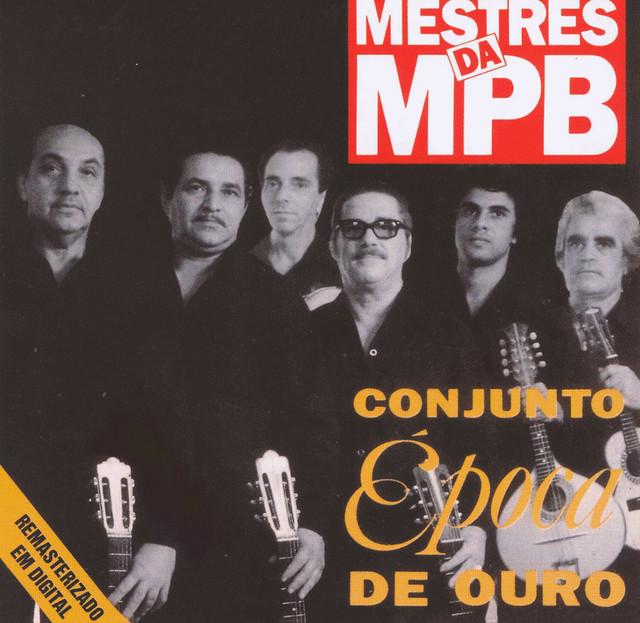
His first performance as an amateur was three years later, at the Grêmio dos Estudantes… Israelitas. In December of that year, he performed for the first time on Rádio Guanabara. In those times, he was already a brilliant mandolinist, and also a good violonista (acoustic guitarist) and cavaquinho player. In the next year, he won his first important contest at Rádio Guanabara, invited by Benedito Lacerda. Accompanied by Carlos Lentine, Luís Bittencourt, Canhoto, and Russo do Pandeiro, his group was named Jacob e Sua Gente by the show director, and was awarded the maximum grade given by the professional jury in a contest disputed by other 27 participants. Jacob e Sua Gente became a regular on Rádio Guanabara, alternating with the Regional de Benedito Lacerda and the Gente do Morro group in the accompaniment of professional singers and musicians like Noel Rosa, Herivelto Martins, Dunga, Joel e Gaúcho, Elizeth Cardoso, Ataulfo Alves, Lamartine Babo, Araci de Almeida, and Carlos Galhardo. But do Bandolim never became a professional musician because he knew he would have lost his musical personality -- which was a very purist one. Instead, he held several jobs as a salesman or hawker, becoming a notary in 1940 and keeping that job until his death. In 1935, he joined the Conjunto da Rádio Ipanema, one of the three important groups of his life, initially directed by Mário Silva and later directed by himself. The group featured César Faria (after 1939) and Claudionor Cruz (violões, or acoustic guitars), Léo Cardoso (afoxê), and Candinho (drums). In 1943, by insistence of his future father-in-law, he abandoned his radio work, returning at the explicit desire of his wife, Adylia, in 1945 at Rádio Mauá. His first album was recorded in October 1947 with Continental (a company for whom he worked until 1949), having the hit "Remeleixo." In July 1949, do Bandolim moved to RCA Victor, recording eight albums until October 1950. From March 1951 on, for the next ten years, he was accompanied by the Regional do Canhoto. In July 1961, the recording of Chorinhos e Chorões marked the opening of the group Época de Ouro, the third important group of his life, and one of the most prominent of all time in the genre. The group used other names until the LP Vibrações, which was released in October 1967 and is considered one of the best of all time. Do Bandolim's imposed weekly rehearsals on Fridays and sometimes on Saturdays were rigorous. During those rehearsals the musicians sweated profusely, because the slightest mistake was accompanied by terrible admonishing in do Bandolim's resounding voice. In 1968, with Elizeth Cardoso (whom he introduced to the artistic scene), the Época de Ouro, and the Zimbo Trio, do Bandolim gave a concert at the Teatro João Caetano that was released on two albums by the Image and Sound Museum of Rio de Janeiro, and is considered one of the best shows of all time in Brazilian popular music. The American mandolinist Dexter Johnson organized a compilation of do Bandolim's solo work on two CDs with 43 tracks, Mandolin master of Brazil. ~ Alvaro Neder, Rovi
Viberate is a music analytics platform built for A&Rs, artist managers, labels, booking agents, marketers, and artists.
It helps music professionals track artist growth, analyze audience data, monitor playlist activity, compare artists, follow song performance, and identify opportunities across the music market.
Public artist pages provide a free preview of selected artist data. Paid plans provide access to deeper analytics, historical data, charts, comparisons, playlist tools, exports, alerts, reports, and additional professional features.
Yes. Public Viberate artist pages provide selected artist analytics and music data for free.
Viberate also offers a 7-day free trial of the full platform. A credit card is required to start the trial. The trial includes access to the complete product so users can test deeper artist analytics, historical views, playlist insights, comparisons, charts, exports, alerts, and reporting features before choosing a paid plan.
Viberate provides artist analytics across streaming, playlists, social media, video, radio airplay, songs, and audience markets.
Users can analyze Spotify performance, Spotify and Apple Music playlists, YouTube activity, TikTok and Instagram growth, radio spins, song performance, audience locations, demographics, rankings, and overall artist momentum.
Artist profiles also connect to music charts, similar artists, and comparison tools, helping users benchmark performance and evaluate artists in context.
Viberate updates key artist and track data daily.
For followed artists and tracks, selected data is refreshed multiple times per day. This helps teams monitor playlist changes, streaming movement, audience growth, releases, and campaign performance with more current data.
Update frequency can vary depending on the metric and data source.
Yes. Viberate lets users compare up to five artists side by side across streaming, social media, audience, and engagement metrics.
Users can compare fanbase growth, audience demographics, locations, Spotify performance, social metrics, and other artist data over selected time periods.
Artist comparison can be used for A&R scouting, benchmarking, booking decisions, campaign planning, and evaluating artists with similar audiences or market positions.