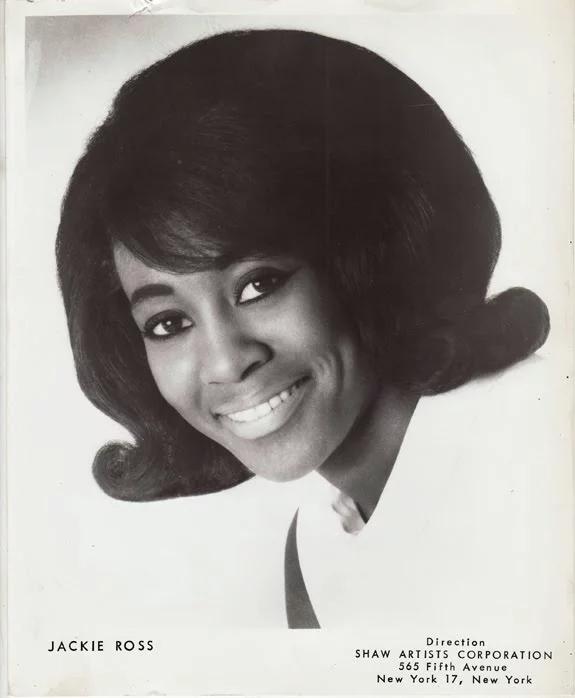
Jackie Ross

R&B
Soul
Contemporary R&B
 Viberate Rank: 244543
 Viberate Rank: 244543
 Monthly ListenersFollowers
 Subscribers
 Followers
 Followers
 FansTop Spotify Songs
| Track | 7-Day Streams | |
|---|---|---|
1 | 4.51K | |
2 | 264 | |
3 | 52 | |
4 | 39 | |
5 | 30 |
Top YouTube VideosMonthly ListenersFeatured in Playlists| Playlist | Followers | |
|---|---|---|
1 |  East Side Story Volumes 1-12 Darius Chavez-Martinez | 40.07K |
2 |  Velvet Atresmúsica | 33.44K |
3 | Songs: Mad Men Kenneth Lorence | 30.54K |
4 | Craig Charles Funk and Soul Show Playlist - BBC 6 Music fostertron3000 | 28.30K |
5 | The Best Lowrider Oldies🎶 Moniique143 | 26.16K |
Audience| City | Monthly Listeners | |
|---|---|---|
1 | | 822 |
2 | | 245 |
3 | | 234 |
4 | | 213 |
5 | | 201 |
See full performance history, audience data, playlist activity, rankings, comparisons, and more in Viberate music analytics. Start with a free trial, then continue with a paid plan.
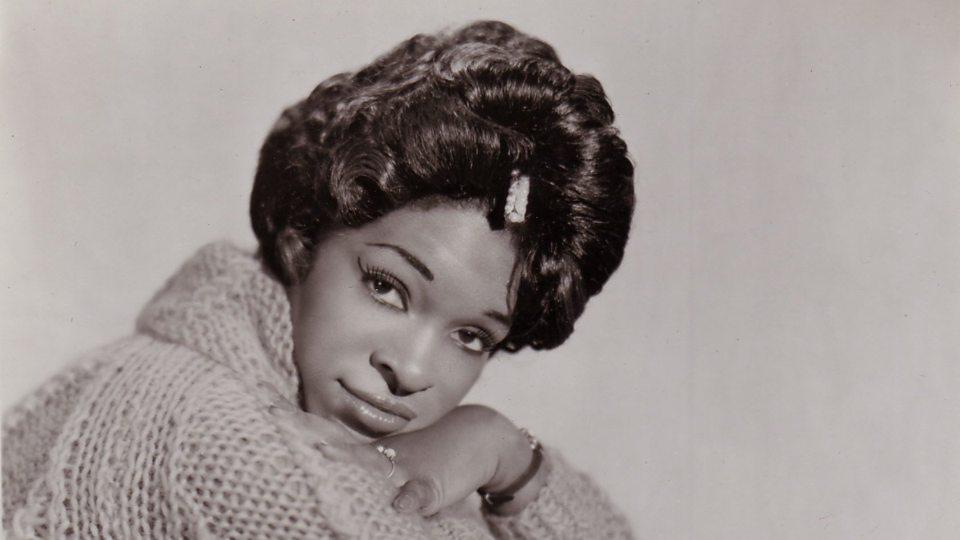
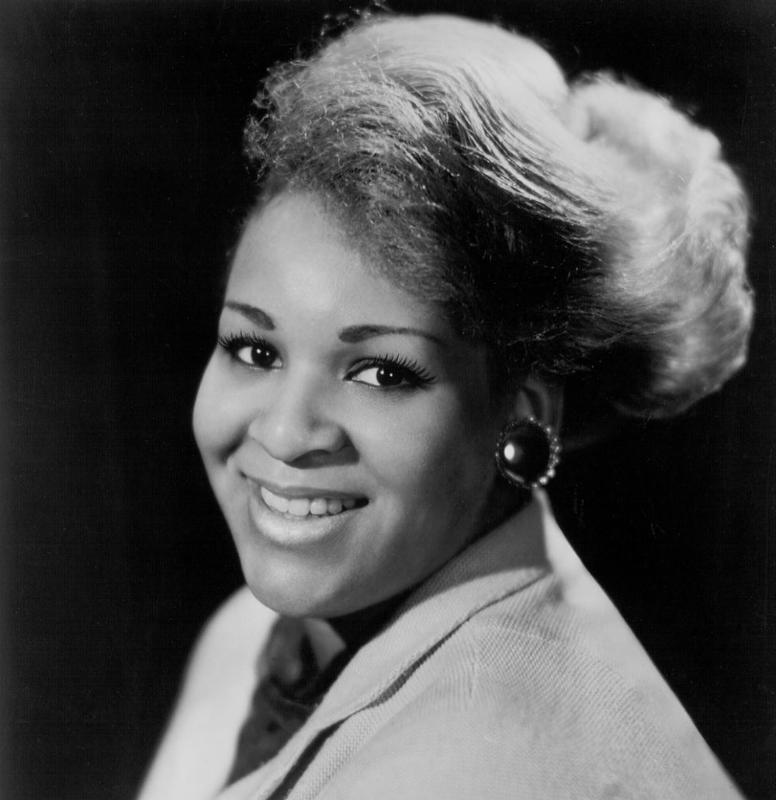
Jackie Ross’ Spotify BioA talented vocalist whose warm, strong sound recalled such Motown stars as Diana Ross and Mary Wells, Chicago soul diva Jackie Ross was born in St. Louis, Missouri on January 30, 1946. The daughter of husband-and-wife preachers, she made her performing debut on her parents' radio gospel show at the age of three. Following her father's 1954 death, the family relocated to the Windy City; there the legendary Sam Cooke, a friend of her mother, recruited Ross for his SAR label, where she issued her debut single, "Hard Times," in 1962. Following a stint singing with Syl Johnson's band, she signed to Chess Records, making her label bow with 1964's "Selfish One." The single fell just shy of the Billboard pop Top Ten, and Ross soon issued a follow-up, "I've Got the Skill," as well as an album, Full Bloom. The superb "Take Me for a Little While" followed in 1965. Unbeknownst to Ross, however, the same song had been recently recorded by New York singer Evie Sands as well, and although Sands'… version for Blue Cat actually came first, Chess' marketing muscle nevertheless ensured that their label's rendition proved more successful. Ross's disgust with the situation, combined with the negligible royalties she received from "Selfish One," soon prompted her to exit Chess, and in 1967 she landed at Brunswick. Two years later, she moved to Jerry Butler's Fountain Productions, but failed to recapture her earlier commercial success. In 1981, Ross released an album in tandem with Little Milton, In Perspective. By this time, several of Ross's sides from the '60s had been rediscovered by DJs and record collectors on the Northern Soul scene in the UK, and she would go on to cut a new version of "Selfish One" produced by onetime Wigan Casino disc jockey Ian Levine. This led to reissues of Ross's work in the UK, but her career remained static at home, and she returned to singing gospel music in Chicago churches. In 2017, the collectors label Black Tulip released a career-spanning collection, Selfish One. ~ Jason Ankeny, Rovi
Viberate is a music analytics platform built for A&Rs, artist managers, labels, booking agents, marketers, and artists.
It helps music professionals track artist growth, analyze audience data, monitor playlist activity, compare artists, follow song performance, and identify opportunities across the music market.
Public artist pages provide a free preview of selected artist data. Paid plans provide access to deeper analytics, historical data, charts, comparisons, playlist tools, exports, alerts, reports, and additional professional features.
Yes. Public Viberate artist pages provide selected artist analytics and music data for free.
Viberate also offers a 7-day free trial of the full platform. A credit card is required to start the trial. The trial includes access to the complete product so users can test deeper artist analytics, historical views, playlist insights, comparisons, charts, exports, alerts, and reporting features before choosing a paid plan.
Viberate provides artist analytics across streaming, playlists, social media, video, radio airplay, songs, and audience markets.
Users can analyze Spotify performance, Spotify and Apple Music playlists, YouTube activity, TikTok and Instagram growth, radio spins, song performance, audience locations, demographics, rankings, and overall artist momentum.
Artist profiles also connect to music charts, similar artists, and comparison tools, helping users benchmark performance and evaluate artists in context.
Viberate updates key artist and track data daily.
For followed artists and tracks, selected data is refreshed multiple times per day. This helps teams monitor playlist changes, streaming movement, audience growth, releases, and campaign performance with more current data.
Update frequency can vary depending on the metric and data source.
Yes. Viberate lets users compare up to five artists side by side across streaming, social media, audience, and engagement metrics.
Users can compare fanbase growth, audience demographics, locations, Spotify performance, social metrics, and other artist data over selected time periods.
Artist comparison can be used for A&R scouting, benchmarking, booking decisions, campaign planning, and evaluating artists with similar audiences or market positions.